
Best Attachments for Mini Excavators in Landscaping Projects
Landscaping projects may look peaceful from a distance—green grass, tidy paths, and a few decorative rocks. But anyone who has actually worked on a landscaping site knows the truth: it involves digging, lifting, drilling, grading, trenching, and occasionally wrestling with stubborn tree roots that behave like underground octopuses.
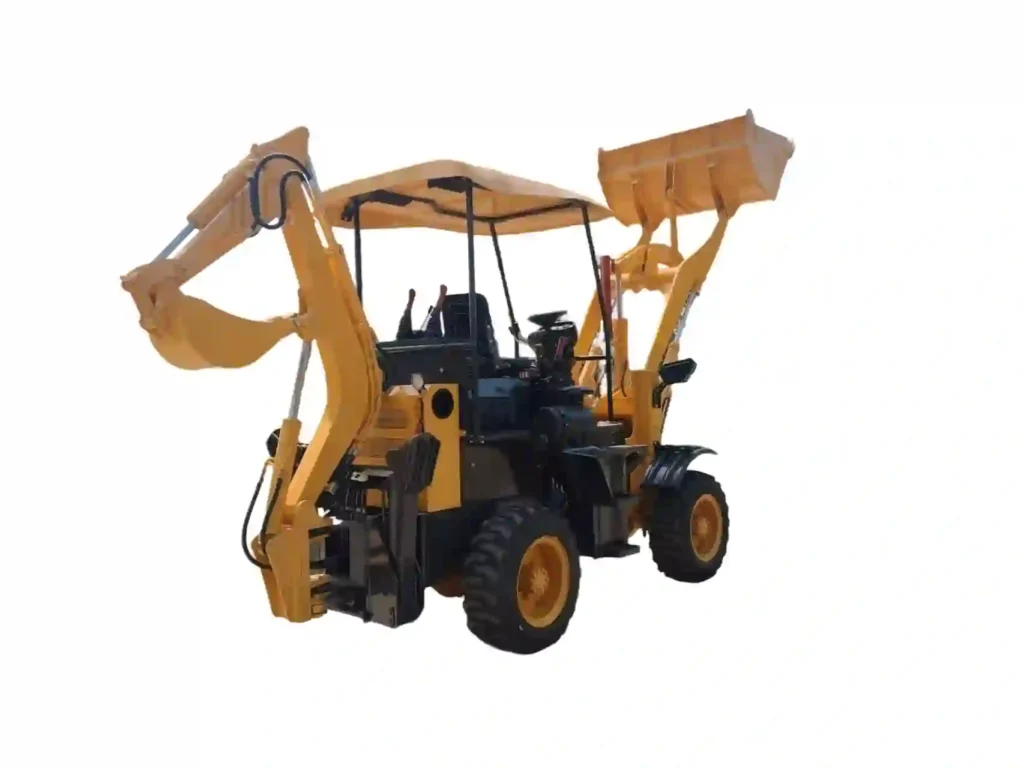
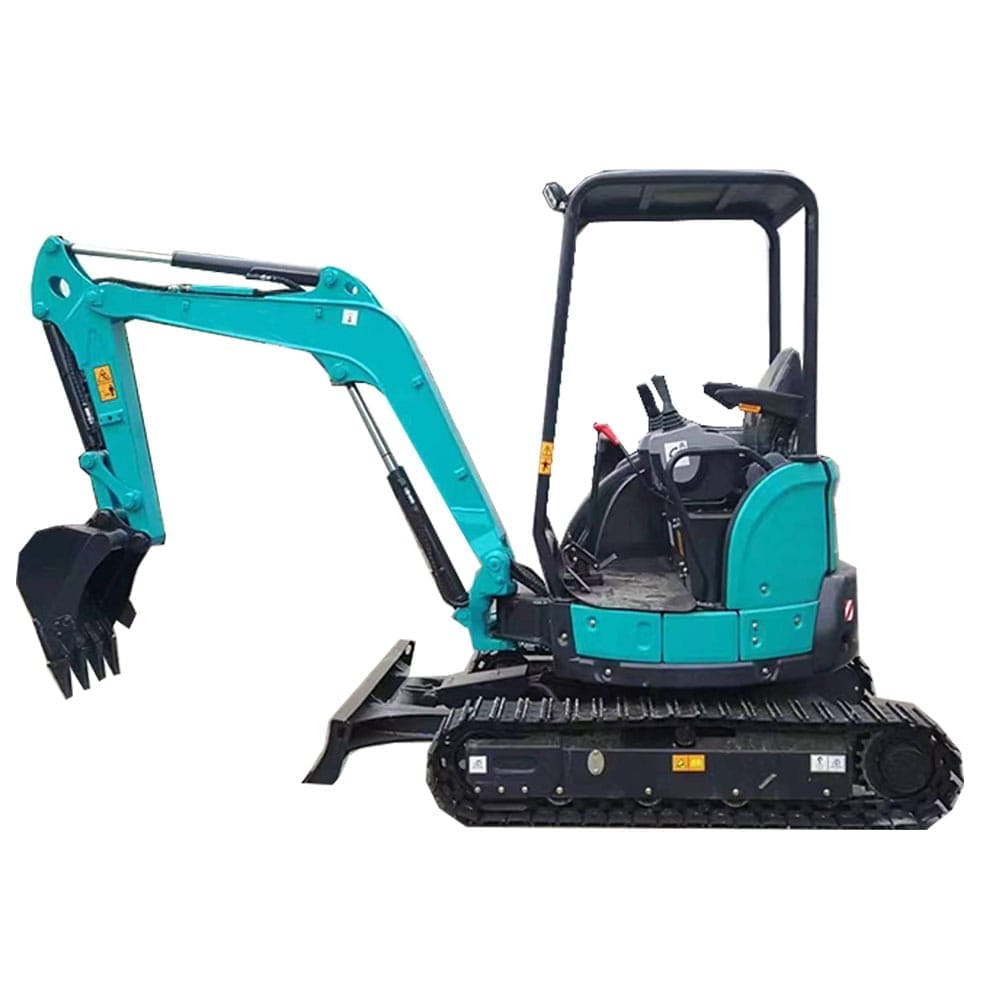
This is where the mini excavator becomes the landscaping contractor’s best friend. Compact, manoeuvrable, and powerful for its size, it can tackle a wide range of tasks in gardens, parks, residential construction, and urban landscaping. However, the real magic does not come from the excavator itself—it comes from the attachments.
With the right attachments, a mini excavator transforms from a simple digging machine into a versatile landscaping toolkit. In this guide, we will explore the best attachments for mini excavators in landscaping projects, explain how each works from a technical perspective, and discuss when they deliver the greatest efficiency on site.
Why Attachments Matter in Landscaping Work
Landscaping jobs are rarely straightforward. One moment you are trenching for irrigation pipes; the next, you are drilling holes for fence posts or grading soil for a patio. Using different machines for each task would be inefficient, expensive, and frankly exhausting for the operator.
Attachments solve this problem by allowing a mini excavator to perform multiple tasks using the same hydraulic platform.
Most modern mini excavators—particularly those equipped with auxiliary hydraulics—can power a wide range of tools. Hydraulic flow and pressure determine how effectively attachments perform, which is why machines with stable hydraulic output provide the best performance for landscaping work.
In simple terms: the excavator provides the muscle, while the attachment decides what kind of job gets done.
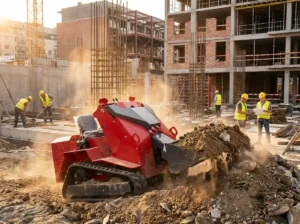
Hydraulic Auger: The Fastest Way to Drill Perfect Holes
Best for: Fence posts, tree planting, and deck foundations
Among all landscaping attachments, the hydraulic auger is arguably one of the most valuable. It converts the excavator’s hydraulic power into rotational torque, allowing the operator to drill precise holes in soil with minimal effort.
For landscaping contractors installing dozens of fence posts or planting rows of trees, manual digging quickly becomes slow and inconsistent. A hydraulic auger solves this by delivering:
- Consistent hole diameter
- Controlled drilling depth
- High efficiency in compact soil
Technically speaking, auger performance depends on hydraulic flow rate and torque output. Mini excavators equipped with reliable hydraulic systems can drive augers smoothly without stalling, even when encountering dense soil layers.
In landscaping projects where accuracy and speed are essential, an auger attachment can easily reduce labour time by more than half.
Trenching Bucket: Precision Digging for Irrigation and Drainage
Best for: Irrigation systems, cable lines, and drainage channels
Landscaping often involves installing underground systems such as irrigation pipes, electrical cables for garden lighting, and drainage lines. For these tasks, the trenching bucket is the go-to attachment.
Unlike standard digging buckets, trenching buckets are narrow and elongated. This design allows operators to create clean, straight trenches without removing excessive soil.
From an engineering standpoint, narrow buckets also reduce resistance during digging. This means the excavator can maintain efficient digging cycles even with a compact engine and hydraulic system.
The result?
Smoother trenches, less soil disturbance, and far less time spent cleaning up afterwards.
Grading Bucket: The Secret to Smooth Landscapes
Best for: Levelling soil, shaping slopes, and preparing turf areas
If you have ever seen a freshly landscaped lawn with perfectly level ground, chances are a grading bucket was involved.
Grading buckets are wider than standard digging buckets and often feature a smooth cutting edge without teeth. This allows operators to move and distribute soil evenly across a surface.
In landscaping projects, grading buckets are used for:
- Preparing ground for turf installation
- Levelling soil for patios or walkways
- Shaping gentle slopes for drainage
Because grading requires smooth and controlled movements, the excavator’s hydraulic responsiveness plays an important role. Machines with stable control systems allow operators to make fine adjustments, ensuring the final surface looks professional rather than resembling a miniature mountain range.
Hydraulic Breaker: When Rocks Refuse to Cooperate
Best for: Removing rocks, breaking concrete, and small demolition tasks
Not every landscaping project involves soft soil and cooperative terrain. Sometimes you encounter buried rocks, old concrete slabs, or stubborn foundations from previous structures.
That is when the hydraulic breaker enters the scene.
This attachment converts hydraulic energy into powerful impact force. It allows a mini excavator to break hard materials such as:
- Large rocks
- Concrete paths
- Old retaining walls
Although breakers require strong hydraulic pressure, modern compact excavators with efficient hydraulic pumps can handle them effectively.
And when you are facing a rock that refuses to move, a hydraulic breaker quickly reminds it who is in charge.
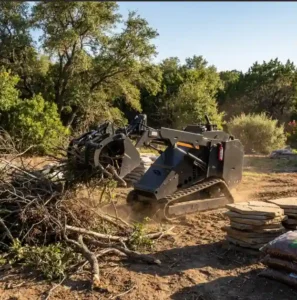
Grapple Attachment: The Landscaping Clean-Up Champion
Best for: Handling branches, logs, roots, and debris
Landscaping projects generate a surprising amount of debris—branches, roots, logs, and occasionally the remains of an over-enthusiastic tree removal.
A grapple attachment makes handling these materials significantly easier. Instead of manually lifting heavy debris, operators can grip, lift, and transport materials using hydraulic claws.
This attachment is particularly useful for:
- Garden clearing projects
- Storm damage clean-up
- Tree removal operations
By using a grapple, contractors reduce manual labour while improving site safety—because nobody enjoys carrying massive tree branches across a muddy job site.
Tilt Bucket: Precision Control for Detailed Landscaping
Best for: Complex terrain shaping and slope finishing
The tilt bucket is a favourite among professional landscapers who demand precision. Unlike standard buckets, tilt buckets can rotate sideways, allowing operators to shape ground surfaces at various angles.
This is especially useful for creating:
- Drainage slopes
- Curved garden beds
- Decorative landscape contours
The tilt function is powered by the excavator’s auxiliary hydraulic circuit, meaning machines with reliable hydraulic flow deliver smoother bucket control.
In skilled hands, a tilt bucket can transform an ordinary excavation machine into a surprisingly artistic landscaping tool.
How to Choose the Right Mini Excavator Attachments
Selecting the right attachment depends on three key technical factors:
1. Hydraulic Capacity
Attachments such as augers and breakers require specific hydraulic flow and pressure levels. Ensuring compatibility with the excavator’s hydraulic system is essential for safe and efficient operation.
2. Operating Weight and Stability
Heavier attachments can affect machine balance. Mini excavators with adequate operating weight and track width provide better stability during demanding tasks.
3. Job Site Requirements
Every landscaping project is different. Some sites require drilling and trenching, while others involve grading or demolition. Choosing attachments based on the primary job type ensures maximum productivity.
Final Thoughts
A mini excavator is already one of the most versatile machines in modern construction and landscaping. But with the right attachments, its capabilities expand dramatically.
From drilling holes for trees to shaping perfectly level lawns, attachments such as hydraulic augers, trenching buckets, grading buckets, breakers, grapples, and tilt buckets allow contractors to handle nearly every landscaping challenge using a single compact machine.
For landscaping professionals, investing in the right attachment setup is not just about convenience—it is about efficiency, precision, and getting the job done without turning a beautiful garden project into a week-long battle with soil and rocks.
And when the next landscaping project throws unexpected challenges your way, the right mini excavator attachment might just save the day… and your back.