
Winter should not be a slow season for construction, but rather a season that tests equipment and management skills. Choosing reliable equipment and combining it with scientific maintenance will allow your mini excavator to maintain efficient operation even in severe cold.
Choosing the Right Fluids for Your Mini Excavator
When operating a mini excavator in winter, select the appropriate engine oil type based on the local lowest temperature to ensure the oil flows quickly and lubricates effectively in low temperatures, preventing dry friction damage during cold starts. When changing the engine oil, be sure to replace the oil filter at the same time to prevent impurities in the old filter from contaminating the new oil and affecting engine performance.
The hydraulic system is crucial for the stable operation of the excavator, and the cleanliness of the hydraulic oil is paramount. When changing the hydraulic oil, clean the oil tank filter and return oil filter simultaneously to prevent secondary contamination. In addition, run the equipment unloaded for 5–10 minutes before operation to allow the hydraulic oil temperature to rise above 40°C before starting normal operation, to prevent the oil from becoming viscous at low temperatures, which could lead to abnormal system pressure, sluggish operation, or component damage.
Properly Protect the Tracks of Mini Excavators
In low-temperature winter environments, ice, snow, and frozen soil can easily cause track hardening and cracking, abnormal tension, or jamming due to snow and ice accumulation, directly affecting the equipment’s mobility and operational safety. Because metal components such as track shoes and pins shrink at low temperatures, excessive tension will accelerate wear and even lead to breakage, while insufficient tension increases the risk of derailment.
After each winter operation, promptly clean any remaining snow and frozen rocks from the track gaps, drive wheels, and guide wheels to prevent them from freezing and causing track jamming. If the equipment is parked outdoors, it is recommended to cover the track area with tarpaulins or similar materials and lay matting material under the tracks to reduce direct contact between the tracks and frozen ground, thereby effectively reducing the risk of component embrittlement.
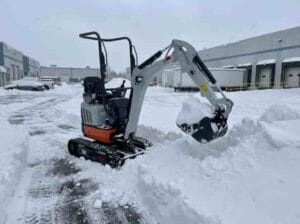
Why Proper Winter Maintenance Matters
Cold weather can significantly shorten machine lifespan if maintenance is ignored. Understanding winter operation requirements not only protects your investment but also improves job-site safety and machine efficiency.
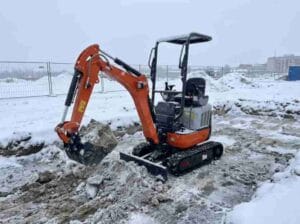
How To Operate A Mini Excavator In Cold Weather
Warm up the engine, check fluid viscosity, clear ice from tracks, avoid sudden movements, and reduce hydraulic strain. Operate the mini excavator gently until full temperature is reached, and monitor gauges frequently to prevent damage caused by frozen ground or cold-stiffened components.
Summary
The core of winter maintenance for mini excavators lies in “antifreeze, lubrication, and wear prevention.” Proper winter maintenance not only reduces downtime and repair costs but also extends the equipment’s lifespan, allowing mini excavators to maintain stable and efficient operation even in winter.
Tags:mini excavator;mini excavators attachments
FAQ
1. What maintenance does a mini excavator need?
A mini excavator requires consistent, structured servicing to maintain long-term performance and reliability. Essential maintenance includes routine inspection of engine oil, hydraulic oil, and filters, along with lubrication of all pivot points and examination of hoses for leaks or signs of wear. Track tension must be checked regularly, and air filters should be cleaned to ensure optimal airflow. Battery condition, cooling system levels, and attachment fitment also require regular attention. Buyers seeking a mini excavator for sale—especially a durable Chinese mini excavator—benefit greatly from following these maintenance steps, as they extend service life and support stable operation in various working environments. Quality mini excavator accessories also contribute to efficient upkeep.
2. Can you use an excavator in the winter?
Yes. An excavator can be used effectively during winter when prepared properly. Winter operation requires the use of low-temperature hydraulic oil, winter-grade engine oil, and treated fuel to prevent gelling. The engine should be warmed up thoroughly before working, and operators should inspect seals, hoses, and rubber components that may stiffen in cold weather. Many buyers choose a Chinese mini excavator for its cost-effective performance and cold-weather adaptability.
3. Can a mini excavator dig frozen ground?
A mini excavator is capable of digging frozen ground, but its effectiveness depends on frost thickness and soil density. Shallow frost can be managed with a standard bucket, while deeper frost layers require specialized tools such as frost rippers or reinforced buckets. Proper machine warm-up is essential to ensure hydraulic oil reaches ideal viscosity before work begins. Cold metal becomes more brittle, so the operator should avoid excessive force or sudden movements. Customers searching for a mini excavator for sale often select models designed for strong breakout force and flexibility with winter attachments. High-quality Chinese mini excavator brands offer compatible heavy-duty mini excavator accessories that improve digging efficiency in frost conditions.
4. How deep can a mini excavator dig?
Most mini excavators have a digging depth of approximately 1.5 to 3.5 meters (5 to 12 feet), depending on their size class, boom configuration, and hydraulic power. Soil conditions, attachment selection, and machine stability also affect the maximum digging depth. When evaluating mini excavators for sale, buyers should consider not only the officially stated digging depth but also attachment compatibility and engine hydraulic performance. Well-designed domestically produced mini excavators, equipped with suitable attachments, can efficiently complete trenching operations in a variety of construction tasks.