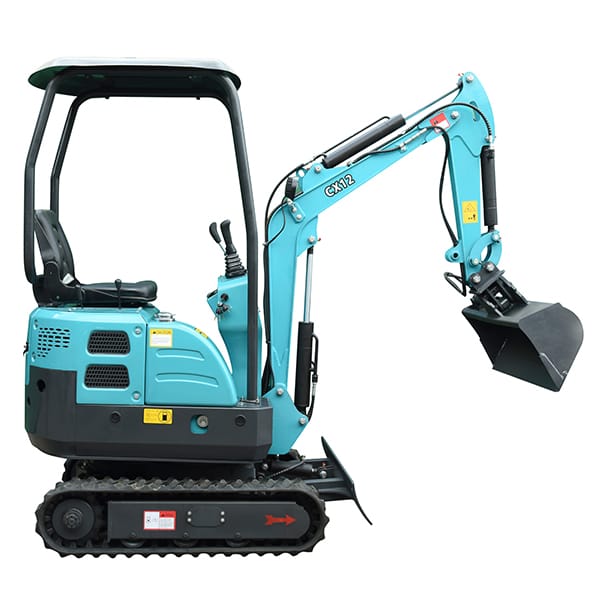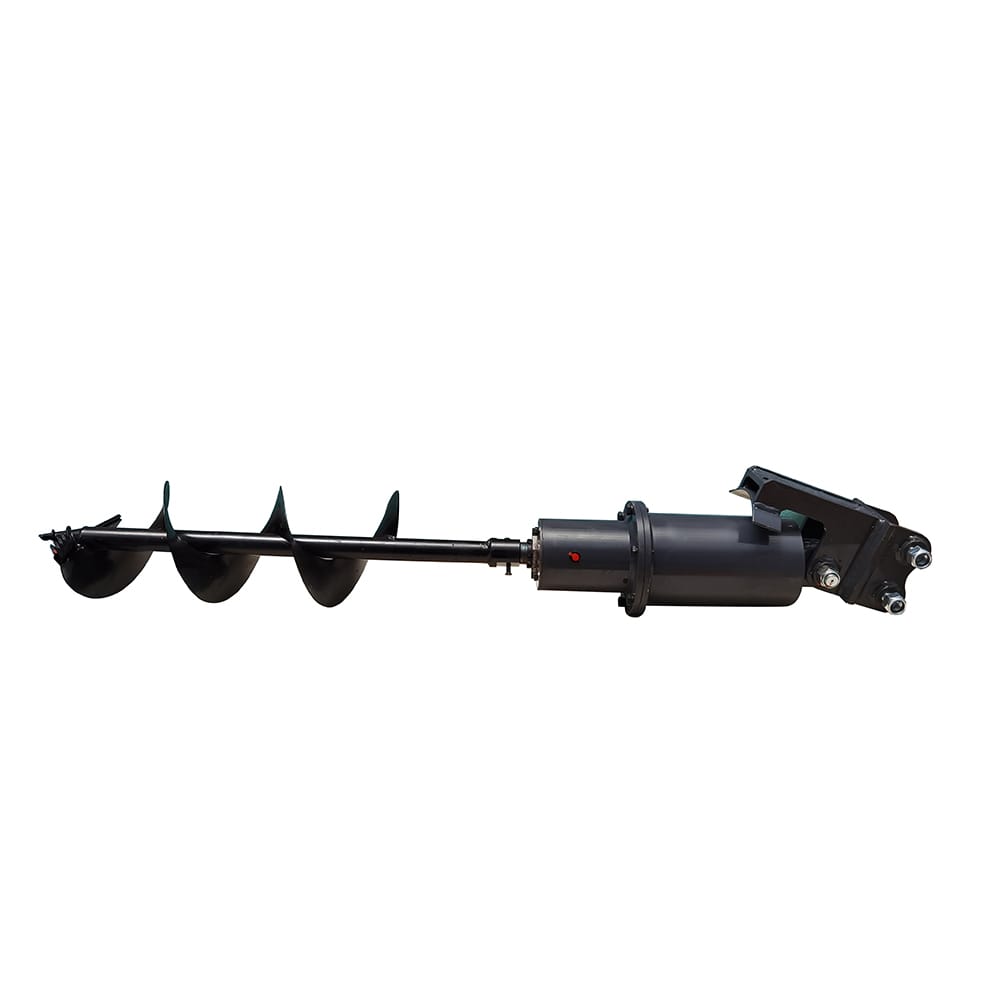

Mini excavators have become indispensable across construction, landscaping, and utility industries. These compact yet powerful machines deliver flexibility, maneuverability, and efficiency on job sites. To maximize their potential, using the right mini excavator attachment—particularly a hydraulic breaker hammer—is essential.
What Is a Hydraulic Breaker?
A hydraulic breaker, also known as a hydraulic breaker hammer or digger hydraulic breaker, is a high-performance demolition tool powered by hydraulic energy. It converts the hydraulic pressure from an excavator into impact energy, enabling it to break through hard materials such as concrete, rock, and asphalt.
These hydraulic breaker attachments are widely used in construction, mining, and roadwork, providing efficient, controlled breaking power in even the most demanding environments. Whether attached to a large digger or a mini excavator, hydraulic breakers ensure smooth and efficient operations across various applications.

How Does a Hydraulic Breaker Work?
A hydraulic breaker operates through a piston driven by hydraulic pressure. The piston strikes a chisel or tool bit, delivering repeated high-speed impacts. This energy transfer allows operators to demolish reinforced concrete, crack large rocks, or break road surfaces with precision and minimal vibration.
When paired with a mini excavator, this attachment transforms a compact machine into a powerful demolition solution, perfect for confined spaces where larger equipment cannot operate.
Main Applications of Hydraulic Breakers
Mining and Quarrying
In mining and quarry operations, hydraulic breaker attachments are essential for secondary rock breaking. Large excavator-mounted breakers handle bulk tasks, while mini excavator hydraulic breakers provide flexibility for smaller-scale or precision applications such as narrow tunnels or remote areas.
Deep Excavation and Infrastructure Projects
Mini excavators are compact (typically 1.0–1.5 meters wide) and have low ground pressure, enabling them to work in limited spaces such as subway tunnels, underground corridors, and foundation pits. Equipped with a digger hydraulic breaker, they efficiently perform deep excavation and structural demolition without overloading nearby support structures.
Landscaping and Urban Renovation
In park and landscape renovation projects, mini excavator attachments like hydraulic breakers offer precise impact control, allowing operators to remove concrete or rocks without damaging plants or surrounding structures. Their low vibration and adjustable impact frequency protect delicate environments while reducing cleanup and labor costs.

Core Benefits of Using a Hydraulic Breaker
Enhanced Productivity
A hydraulic breaker hammer replaces manual demolition tools like jackhammers, completing high-intensity jobs such as trenching, road demolition, and rock breaking more efficiently. This significantly reduces project time and labor requirements, improving overall productivity.
Cost-Effective Operation
By minimizing manual labor and eliminating the need for costly explosives, a hydraulic breaker attachment helps contractors cut operational costs. Choosing products from reputable hydraulic breaker manufacturers also ensures fewer breakdowns, simplified maintenance, and longer equipment lifespan.
Versatility for Multiple Industries
Hydraulic breakers are suitable for a variety of excavator sizes and job conditions. They perform well in urban roadwork, quarry mining, tunneling, and infrastructure repair. The adaptability of mini excavator attachments allows businesses to use one tool across multiple projects, reducing the need for separate equipment.
Environmentally Friendly Demolition
Compared to traditional demolition methods, hydraulic breaker hammers generate lower noise, dust, and vibration levels. This makes them ideal for construction in populated or environmentally sensitive areas. Contractors can maintain compliance with safety and noise regulations while ensuring a cleaner and safer work environment.
Choosing the Right Hydraulic Breaker Manufacturer
Selecting high-quality equipment from reputable hydraulic breaker manufacturers is crucial for long-term reliability. A good supplier ensures:
Compatibility with various mini excavator attachments
Availability of spare parts and maintenance support
Durable materials and advanced hydraulic systems
Compliance with international safety and performance standards
Summary
A hydraulic breaker attachment is one of the most valuable tools for enhancing a mini excavator’s capabilities. By converting hydraulic power into impact energy, it allows operators to complete demanding tasks efficiently, safely, and cost-effectively. From mining and excavation to landscaping and roadwork, hydraulic breaker hammers deliver unmatched versatility and performance.
Partnering with trusted hydraulic breaker manufacturers ensures your equipment maintains consistent quality, minimizes downtime, and achieves the best return on investment.
FAQ
1. What types of machines can a hydraulic breaker be mounted on?
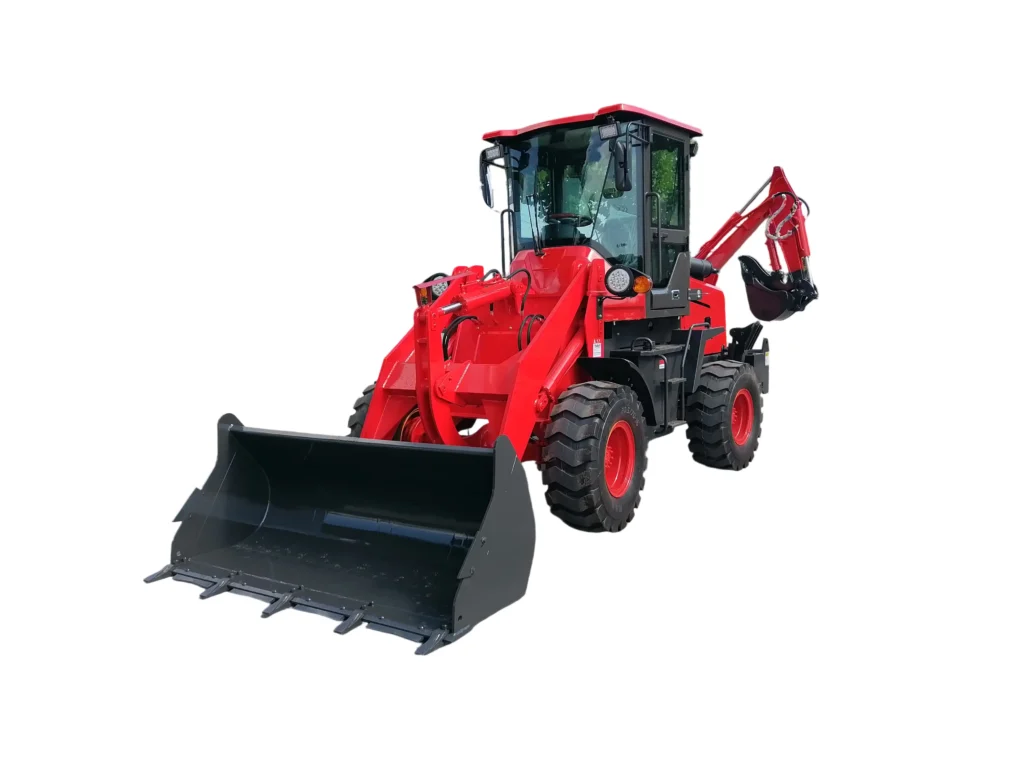
A hydraulic breaker hammer can be mounted on a wide range of machines that use hydraulic systems, including mini excavators, skid steer loaders, backhoe loaders, and large excavators. The most common setup is as a hydraulic breaker attachment for excavators or diggers, enabling efficient breaking of concrete, rock, and asphalt. Compact models are ideal mini excavator attachments, while larger hydraulic breakers are used for heavy-duty mining and quarrying operations.
2. How often does a hydraulic breaker need maintenance?
Regular maintenance is key to ensuring the performance and longevity of a hydraulic breaker hammer. Generally, routine inspection and greasing should be done daily or after every 2–3 hours of operation, depending on working conditions. Comprehensive maintenance—such as checking hydraulic hoses, seals, and tool bushings—should be performed every 100 to 300 operating hours. Always follow the recommendations provided by hydraulic breaker manufacturers to prevent wear, leakage, and damage to the excavator’s hydraulic system.
3. How long should you use a hydraulic breaker for?
The continuous operating time for a hydraulic breaker attachment depends on the model, material hardness, and excavator size. Typically, it is recommended to use the breaker in short intervals of 30–60 seconds per strike session, allowing brief pauses between cycles to prevent overheating and maintain hydraulic pressure stability. Under proper use and maintenance, a high-quality digger hydraulic breaker can last for 5 to 10 years, even under heavy use in mining or demolition projects.
4. Do mini excavator breakers need daily maintenance?
Yes. Mini excavator breakers—like all hydraulic attachments—require daily maintenance to maintain reliable performance. This includes checking the chisel condition, cleaning the tool, inspecting for hydraulic leaks, and applying lubricant to the bushings. Since mini excavator attachments often work in dusty or abrasive environments, daily care prevents premature wear and ensures consistent impact power. Regular maintenance also helps extend the service life of both the hydraulic breaker hammer and the mini excavator’s hydraulic system.