
How to Avoid Hitting Underground Pipes and Cables with a Mini Excavator
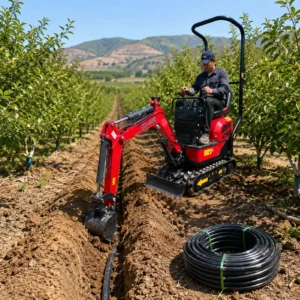
A mini excavator is a great machine for trenching, drainage work, landscaping, farm projects and tight-access construction. It is compact, flexible and much easier to move around than a large excavator. But there is one thing it cannot do by itself: see underground pipes and cables. If you want to avoid hitting underground pipes and cables with a mini excavator, the work must start before the bucket touches the ground. Buried gas lines, water pipes, electric cables, telecom cables and old drainage routes may be sitting quietly under the soil, and they usually do not send a polite warning before the bucket reaches them.
This is not a small or rare problem. CGA’s 2024 DIRT Report recorded 196,977 unique reported damages to buried infrastructure in 2024. In the same data set, telecommunications facilities accounted for 49% of reported damages, while natural gas facilities accounted for 39%. For a mini excavator operator, this means underground utility digging safety is not just a safety slogan. It is a normal part of everyday trenching work. Source: CGA 2024 DIRT Report
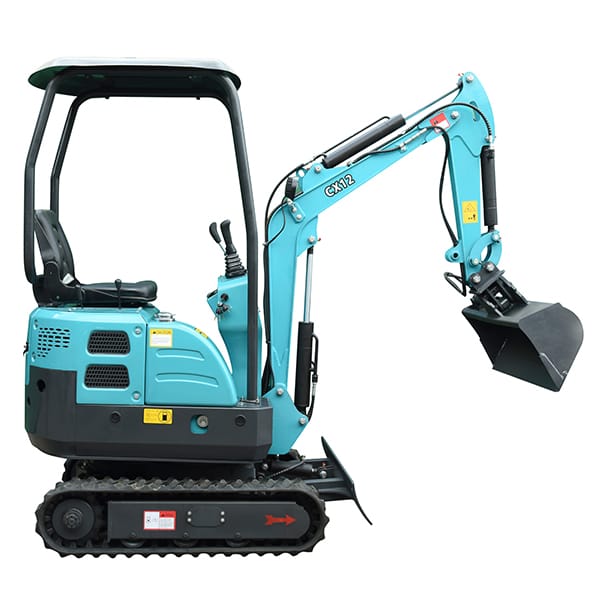
For buyers who are still selecting a compact machine for trenching and utility work, ACE Machinery also provides mini excavators and matched mini excavator attachments for narrow jobsites, drainage projects and general construction work.
Why Mini Excavators Hit Underground Pipes and Cables
Most pipe and cable strikes happen because the jobsite looks safer than it really is. A straight fence line does not mean the cable below is straight. A water meter does not show the full pipe route. A clean driveway may hide power, gas, telecom, irrigation or drainage lines. Old drawings are helpful, but they should be treated like an old map: useful for direction, not enough for blind digging.
Mini excavators make this risk more serious because they are small enough to work close to walls, gardens, driveways and building entrances, where underground services are often crowded. The machine may look friendly, but the bucket teeth are not soft. A small bucket can still crack a pipe, cut a cable or disturb a gas line if the operator digs too deep, too fast or too close to an unconfirmed utility route.
Before Digging: Confirm Utility Locations First
Before using a mini excavator near possible underground utilities, the work area should be checked and marked. In the United States, 811 is the national call-before-you-dig number for professional excavators and homeowners. For overseas buyers and contractors, the same principle applies: contact the local utility locating service, project owner, site engineer or utility company before excavation starts. Source: Common Ground Alliance 811
OSHA also requires the estimated location of underground installations, including sewer, telephone, fuel, electric and water lines, to be determined before excavation begins. When excavation approaches the estimated location, the exact location must be determined by safe and acceptable means. In simple words, the operator should not rely on bucket feel, guesswork or “it should be somewhere over there.” Source: OSHA 1926.651
Pre-Digging Checklist
- Contact the local utility locating service before excavation.
- Review drawings, service records and visible utility points.
- Mark the planned trench route clearly before machine work starts.
- Confirm trench depth, bucket width and working clearance.
- Identify gas, electric, water, sewer, telecom and irrigation risks.
- Stop and recheck if utility marks are unclear, missing or inconsistent.
Key Utility Damage Data for Mini Excavator Operators
This table turns the industry data into practical jobsite meaning. It is useful for contractors, rental companies, dealers and operators who need a quick safety reference before trenching.
| Risk Point | Industry Data or Rule | What It Means on Site |
|---|---|---|
| Buried utility damage is common | CGA recorded 196,977 unique reported damages in 2024. | Pipe and cable protection should be part of the work plan before the mini excavator starts digging. |
| Cables and gas lines are high-risk utilities | Telecommunications represented 49% of reported damages, and natural gas represented 39%. | Operators should treat both cables and pipes as normal trenching risks, not rare exceptions. |
| Not calling before digging is a major cause | Failure to notify 811 accounted for 24.54% of reported damages in 2024. | Utility locating should be completed before excavation, especially near buildings, driveways, roads and service entrances. |
| Marks still require careful digging | Failure to maintain clearance after verifying marks accounted for 16.07% of reported damages. | After lines are marked, operators still need shallow passes, controlled bucket movement and safe exposure methods. |
The most important lesson is that many damages are procedural, not mechanical. CGA reported that failure to notify 811 accounted for 24.54% of reported damages in 2024, while failure to maintain clearance after verifying marks accounted for 16.07%. That means many strikes begin before the bucket even touches the soil, because the locating and clearance process was not handled properly. Source: Common Ground Alliance
Choose the Right Bucket to Avoid Hitting Underground Pipes
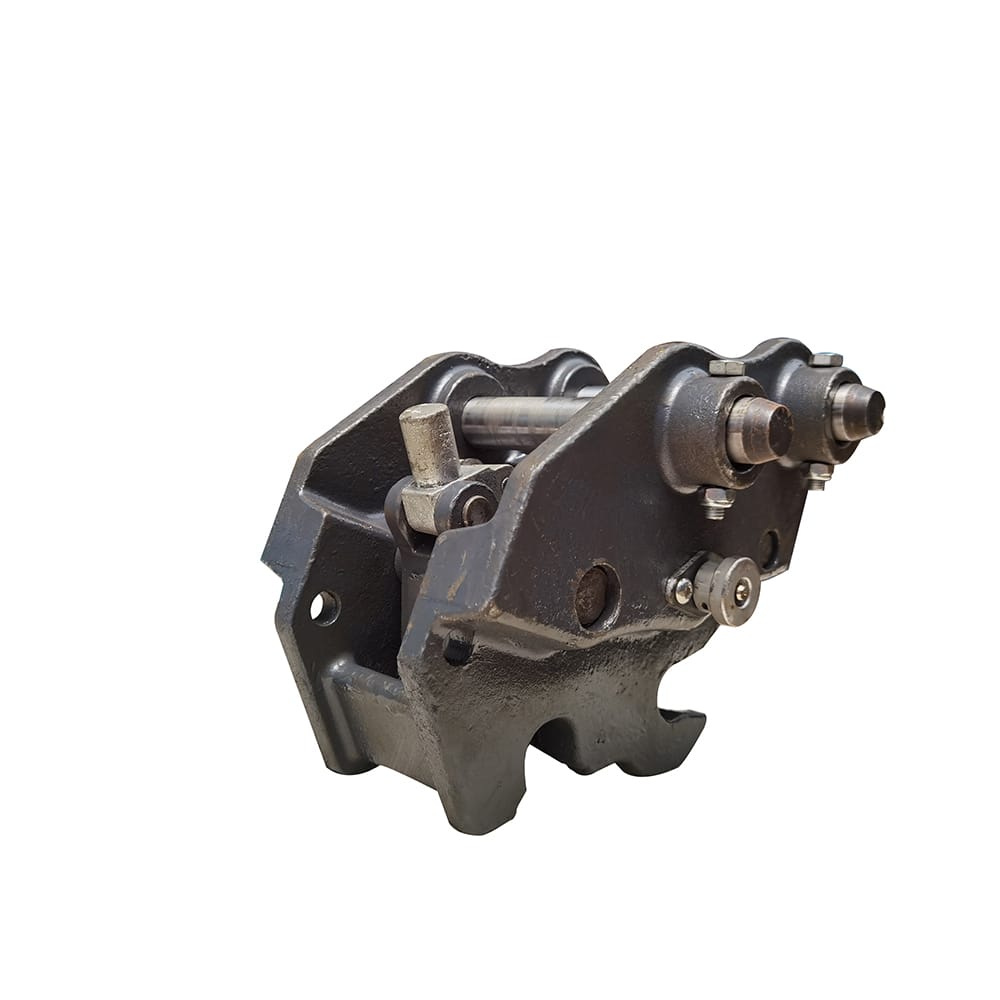
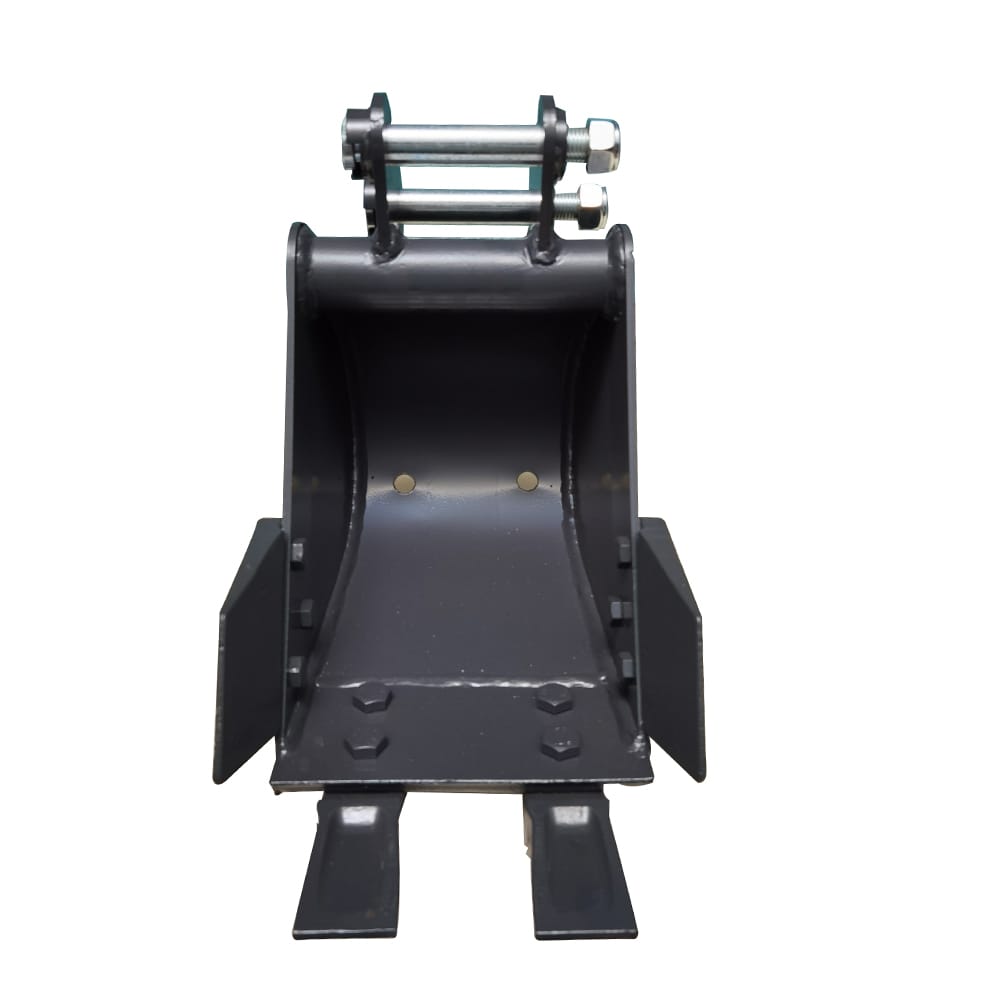
Bucket choice matters when trenching near underground pipes and cables. A wide bucket may move soil faster, but it gives the operator less control in narrow or uncertain areas. A narrow trenching bucket is usually better for controlled digging, while a grading bucket can help remove loose topsoil more gently before deeper work begins. Speed is useful in open ground; control is more useful near buried utilities. ACE can help buyers match the right bucket, quick hitch or hydraulic attachment according to machine weight, trench width and jobsite conditions. For attachment options, visit our mini excavator attachments page.
Near marked utility areas, the operator should reduce the digging depth per pass and avoid forcing the bucket into unknown ground. The bucket teeth should not be used like a testing probe. If the trench enters a tolerance zone, safer methods may be needed before the excavator continues. CGA Best Practices list methods such as potholing, hand digging when practical, soft digging and vacuum excavation for work within tolerance zones. Source: CGA Best Practices
Control Depth, Angle and Bucket Movement
When a mini excavator digs near underground utilities, how the bucket moves is just as important as where the bucket is. Fast curling, deep bites and blind scraping can damage a pipe or cable before the operator feels anything unusual. A safer method is to remove soil in shallow layers, keep the bucket angle flatter near the expected utility route and stop whenever the soil condition changes.
Depth assumptions are risky. A pipe that “should be deeper” may be shallow because of erosion, landscaping changes, old repairs or poor installation. If the soil color, compaction, moisture or backfill material suddenly changes, the operator should pause and inspect. Different soil often means someone has dug there before, and previous digging is a good reason to slow down rather than show off.
When Hand Digging or Vacuum Excavation Is Safer
Sometimes the safest mini excavator technique is to stop using the mini excavator for the final exposure. Around marked gas lines, electric cables, telecom lines and water pipes, the exact location should be confirmed by a safe method before mechanical digging continues. Depending on local rules and site conditions, this may involve potholing, careful manual exposure, soft digging or vacuum excavation.
HSE’s HSG47 guidance explains safe work around underground services through three basic elements: planning the work, locating and identifying buried services, and safe excavation. This structure fits mini excavator work very well. Safe digging is not one heroic operator skill; it is a process that starts before the engine is started. Source: HSE HSG47
Common Mistakes That Damage Pipes and Cables
The first mistake is starting work before utility locations are confirmed. The second is trusting old drawings without checking the actual site. The third is digging too deep in one pass near a marked line. Another common mistake is using a bucket that is too large for a narrow residential, landscaping, drainage or utility repair job.
Operators should also pay attention to surface clues. A strip of different soil, a patched section of pavement, a line of greener grass, a row of utility covers or a pipe entering a wall can all suggest buried services. If something does not make sense, stop and verify it. A five-minute pause may feel boring, but it is much better than explaining why the whole street suddenly lost internet.
What to Do If a Pipe or Cable Is Hit
If the bucket contacts a pipe, cable or unknown buried object, stop digging immediately. Do not pull, lift or move the object with the bucket. Keep people away from the area, especially if gas, electric or communication lines may be involved. Report the issue to the site manager, utility owner or emergency service according to local rules. If there is gas smell, electrical hazard or serious leakage, leave the area and follow emergency procedures.
After the site is safe, record photos, videos, machine position and working conditions. This helps the project team understand what happened and prevent the same mistake from happening again. Once a utility is damaged, the job is no longer normal excavation. It becomes risk control.
FAQ About Mini Excavator Digging Near Underground Utilities
Can a mini excavator dig near underground pipes safely?
Yes, but only when utility locations are checked, the trench route is planned, the digging depth is controlled and the correct bucket is used. Near marked utilities, the exact location should be confirmed by a safe method before mechanical digging continues.
What should I check before digging with a mini excavator?
Check utility records, visible site clues, trench depth, bucket size, soil condition, working clearance and local safe digging requirements. Contact the local utility locating service before excavation starts.
Is hand digging always safe near utility lines?
Not always. Some utilities can still be damaged by hand tools, especially electrical lines. The safest method depends on the utility type, ground condition, local rules and site risk. Soft digging or vacuum excavation may be better in some cases.
What bucket is best for trenching near pipes?
A narrow trenching bucket usually gives better control, but the best choice depends on trench width, soil type and how close the work is to known utilities. Near pipes and cables, control matters more than speed.
Request Mini Excavator and Attachment Support
ACE Machinery supplies mini excavators and attachments for trenching, landscaping, drainage, utility work and narrow jobsites. If you need help choosing a compact excavator, trenching bucket, quick hitch, hydraulic attachment or spare parts package, please contact ACE Machinery with your working application, required digging depth, soil condition, attachment needs, destination country and order quantity. Our team can help match the machine and attachment setup before shipment.