
Why Buying a Mini Excavator Is More Cost-Effective Than Long-Term Leasing
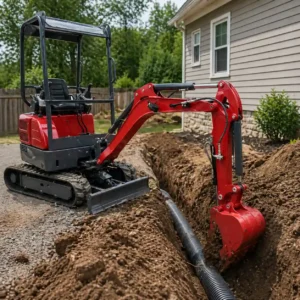
For construction companies, landscapers, farmers, and contractors, choosing between leasing and buying a mini excavator is an important business decision. While leasing may seem affordable at first, long-term rental costs can quickly exceed the price of owning your own machine.
In many cases, purchasing a compact excavator provides better return on investment, improved flexibility, lower operating costs, and long-term asset value. In this article, we will explain why buying a mini excavator is often the smarter financial choice for growing businesses.
Table of Contents
The Hidden Costs of Long-Term Mini Excavator Leasing
Many businesses initially choose leasing because it requires lower upfront investment. However, over time, leasing costs can become surprisingly expensive.
Monthly rental fees continue accumulating throughout the project lifecycle. In addition to rental payments, contractors often face extra expenses such as:
- Transportation and delivery fees
- Insurance costs
- Fuel surcharges
- Maintenance limitations
- Operator scheduling delays
- Machine availability during peak season
For contractors who frequently use excavation equipment, these recurring costs may eventually exceed the purchase price of a new machine.
If you are considering purchasing your first machine, you can also read:
What To Look For When Buying A Mini Excavator
Advantages of Owning a Mini Excavator
1. Lower Long-Term Operating Costs
Owning a mini excavator eliminates recurring rental payments. Once the machine is purchased, your ongoing expenses mainly involve fuel, maintenance, and occasional parts replacement.
2. Greater Scheduling Flexibility
With your own excavator, you can start projects immediately without waiting for rental availability. This improves project efficiency and customer satisfaction.
3. Long-Term Asset Value
Unlike rental fees that disappear permanently, purchased equipment retains resale value. Well-maintained mini excavators can maintain strong market demand for many years.
4. Multi-Purpose Applications
Modern compact excavators support multiple attachments including hydraulic breakers, augers, grapples, rippers, and trenching buckets.
Learn more about hydraulic attachments here:
A Complete Guide to Hydraulic Breakers
ROI Comparison: Leasing vs Buying
The financial difference between leasing and owning becomes more obvious over time.
| Option | 1 Year Cost | 3 Year Cost | Asset Ownership |
|---|---|---|---|
| Leasing | High | Very High | No |
| Buying | Moderate | Lower Overall | Yes |
For businesses handling regular excavation work, ownership often becomes significantly more economical after just one or two years of operation.
Additionally, owned machines can generate income continuously through subcontracting, rental services, or expanded project capabilities.
Best Mini Excavators for Small Contractors
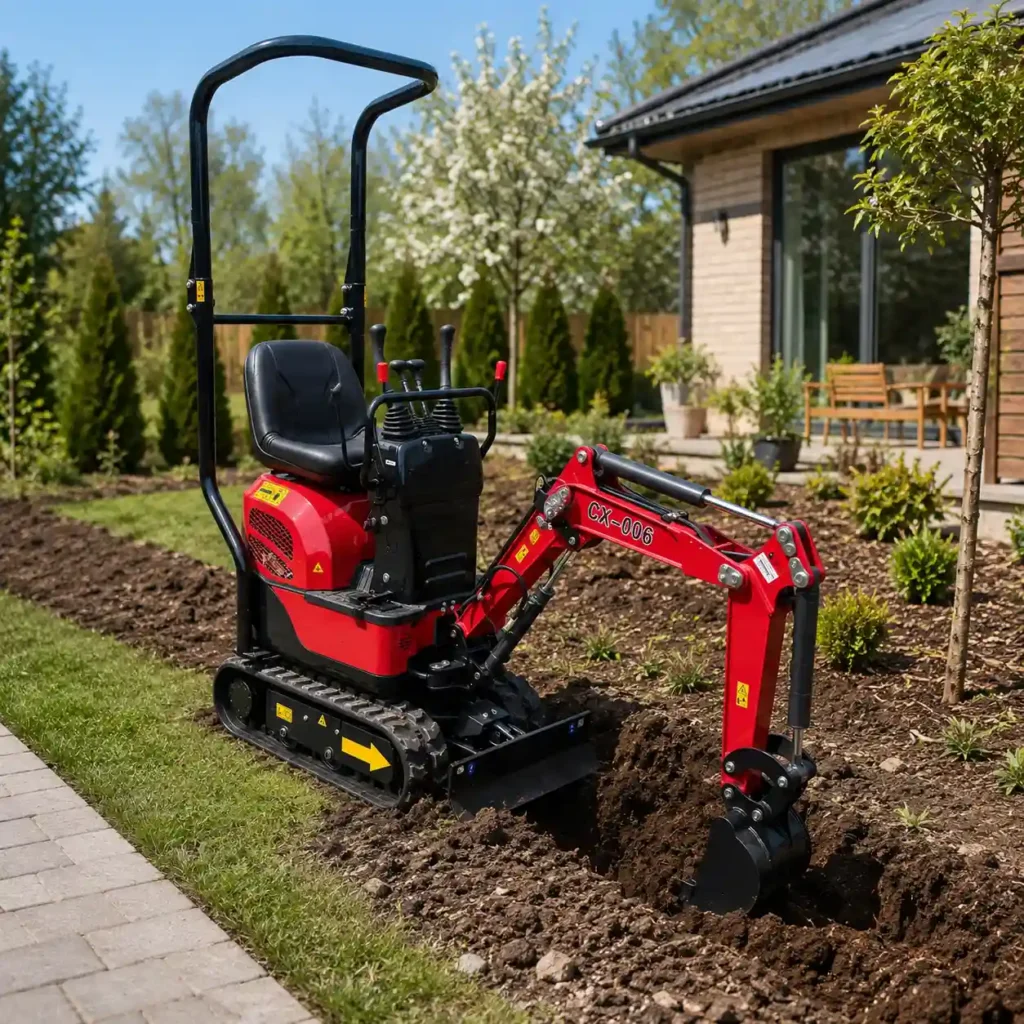
Small and medium-sized contractors usually prefer compact excavators between 1 ton and 2 tons because they are easy to transport, fuel-efficient, and suitable for narrow working environments.
Popular Applications
- Landscaping
- Farm construction
- Residential projects
- Trenching work
- Foundation digging
- Utility installation
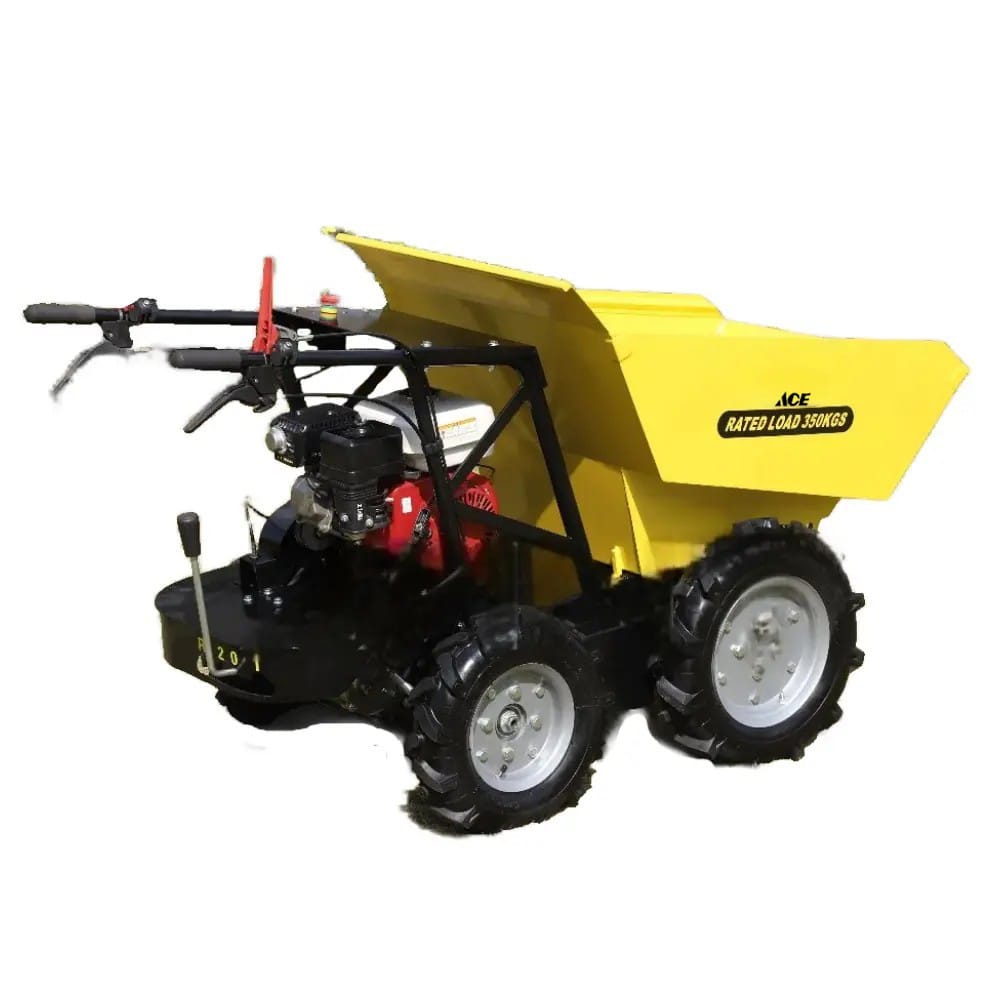
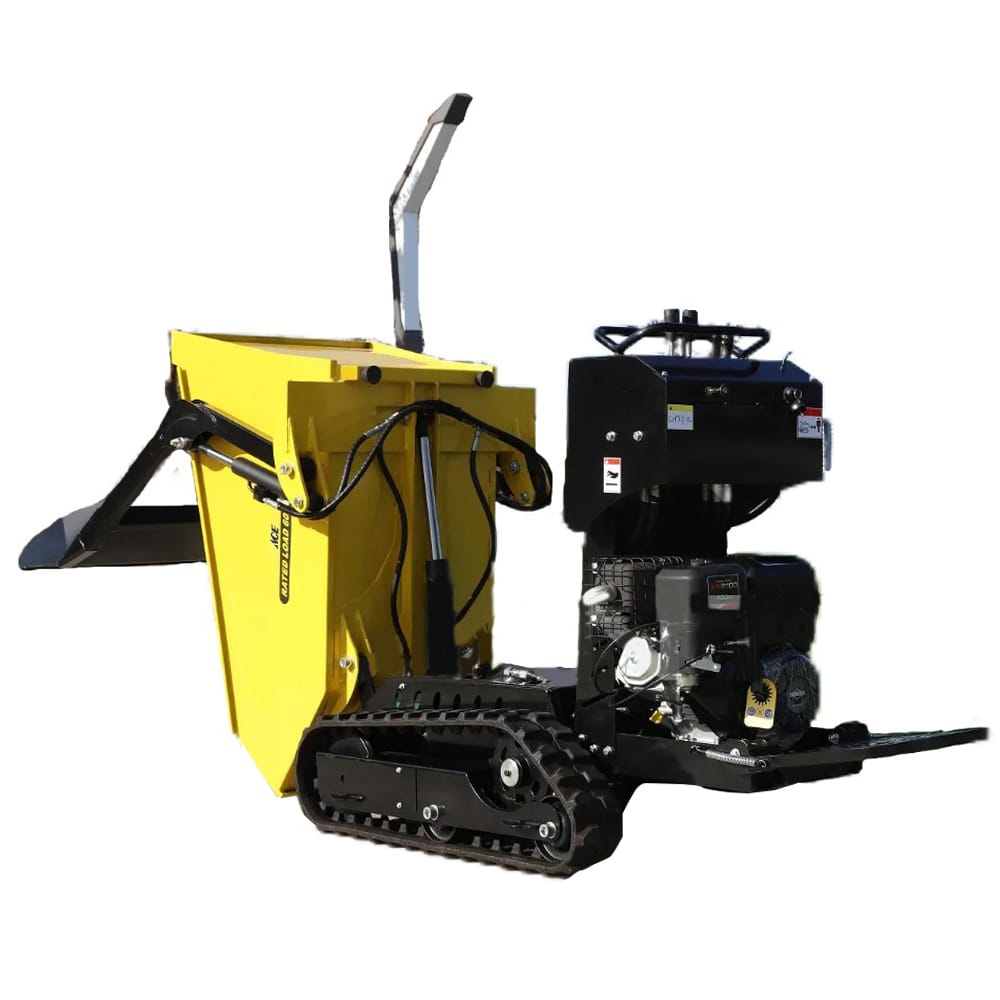
Recommended ACE Machinery models:
If your projects involve trenching applications, you may also find this guide helpful:
How to Choose the Right Mini Excavator for Trenching Work
Why Contractors Choose ACE Machinery
ACE Machinery is a professional manufacturer of mini excavators and construction equipment with more than 30 years of industry experience.
Our machines are trusted by contractors worldwide because we provide:
- CE & EPA certified equipment
- Reliable diesel and gasoline engine options
- OEM & ODM customization support
- Fast spare parts supply
- Professional export service
- Global shipping support
- Competitive factory-direct pricing
Whether you are starting a new business or expanding your equipment fleet, ACE Machinery can provide the right compact excavation solution for your needs.
Request the Latest Mini Excavator Price Today
Looking for a reliable compact excavator supplier? Contact ACE Machinery for professional recommendations, product catalogs, and factory-direct quotations.
FAQ
Is buying a mini excavator cheaper than renting?
Yes. For contractors with ongoing projects, purchasing a mini excavator is usually more cost-effective than long-term leasing.
How long does a mini excavator last?
A properly maintained mini excavator can typically operate for 8,000–10,000 working hours or more.
What size mini excavator is best for small contractors?
1-ton to 2-ton mini excavators are the most popular choices for residential construction, landscaping, and trenching work.
Do mini excavators have good resale value?
Yes. Compact excavators generally maintain strong resale value, especially CE and EPA certified models from reputable manufacturers.
Conclusion
While leasing may provide short-term convenience, buying a mini excavator offers stronger long-term financial benefits for contractors and construction businesses. Lower operating costs, increased flexibility, resale value, and equipment availability make ownership a smarter investment for companies with regular excavation needs.
If you are looking for durable, efficient, and affordable mini excavators, ACE Machinery is ready to support your business with professional solutions and global delivery service.