
How to Choose the Right Mini Excavator for Trenching Work
Ask any experienced operator what the most common job for a mini excavator is, and trenching will probably appear at the top of the list. From laying electrical cables and water pipes to installing drainage systems, trenching keeps compact excavators busy on construction sites around the world.
However, not every excavator handles trenching equally well. Some machines slice through soil like a hot knife through butter, while others behave more like a spoon attempting to dig frozen ice cream.
Understanding how to choose the right mini excavator for trenching work means looking beyond horsepower numbers and focusing on digging geometry, hydraulic output, operating weight and bucket configuration. These factors determine whether the machine excavates smoothly or struggles through every trench metre.
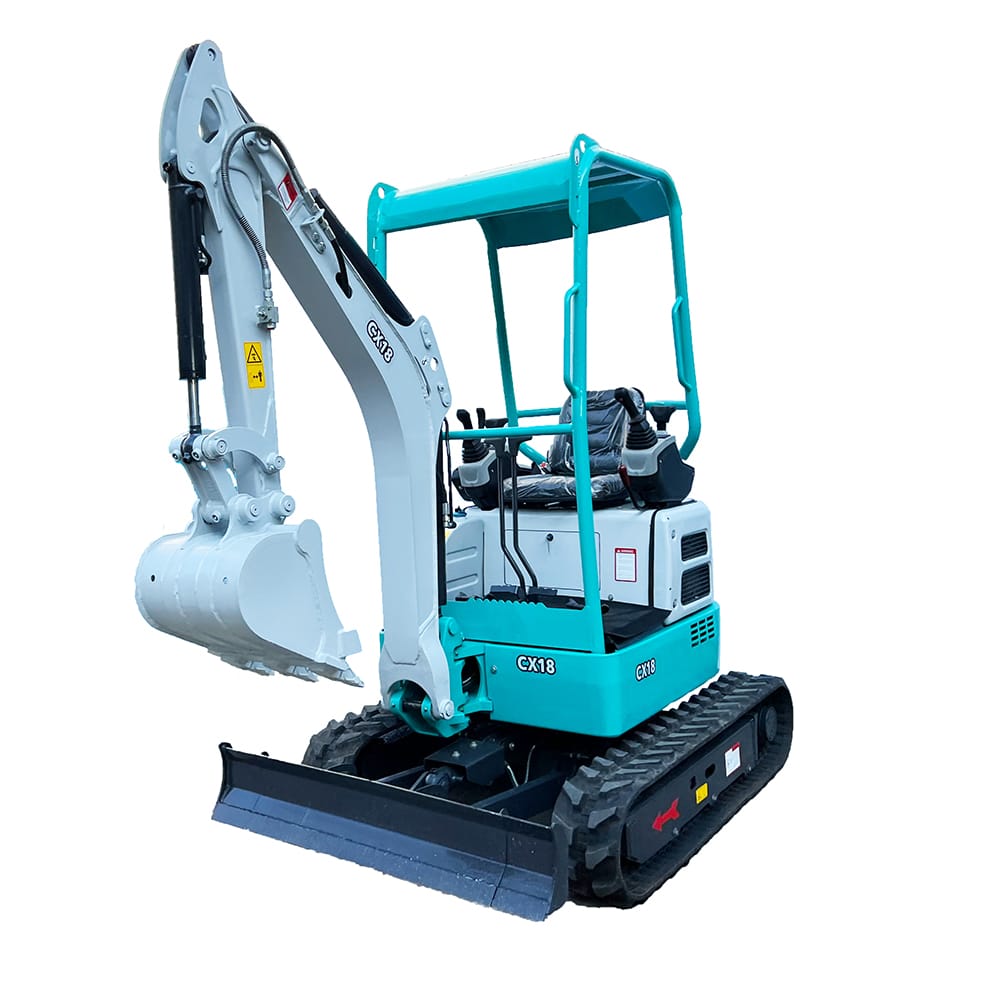
Drawing on typical compact excavator specifications and machine layouts commonly used in modern designs (including those seen across models such as the compact excavators on ACE Machinery), this guide explains how engineers and contractors select machines suited for trenching operations.
What Type of Trench Are You Planning to Dig?
Before comparing machine specifications, the first step is defining the trench itself. Not all trenches require the same machine capability.
Typical trenching tasks include:
- Utility trenches for fibre cables, electricity lines and irrigation pipes.
- Drainage trenches used for stormwater management.
- Foundation trenches required for small structures or retaining walls.
Each task influences machine selection. Cable trenches may be shallow but require precision. Drainage trenches often run long distances, where digging speed matters more than maximum depth.
In contrast, foundation trenches demand stronger breakout force and greater stability.
How Much Digging Depth Do You Actually Need?
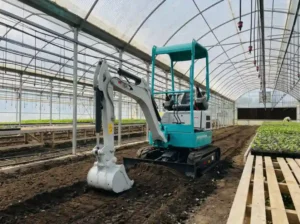
Digging depth is usually the first specification contractors check. Mini excavators typically provide digging depths between roughly 1.6 metres and more than 3 metres depending on machine size.
The important detail is that the machine should comfortably exceed the required trench depth. Operators rarely dig at the absolute limit of the boom and arm reach.
A practical rule used by site engineers is:
- Choose a machine with around 20–30% greater digging depth than the trench requirement.
For example, if the trench depth required is 1.8 metres, a machine capable of digging approximately 2.3 metres provides sufficient working margin while maintaining stable bucket control.
Why Operating Weight Matters More Than Many Buyers Expect
Operating weight affects trenching performance in ways that many first-time buyers underestimate.
When a bucket pulls soil toward the machine, a strong reaction force pushes the excavator forward. If the machine is too light, the tracks may shift or the chassis may lift before the bucket penetrates compact ground.
Heavier machines provide several advantages during trenching:
- greater digging stability
- stronger bucket penetration
- more consistent trench wall geometry
Many contractors working in landscaping, pipeline installation and small construction projects often prefer machines in the 1.7–2.5 tonne class because they balance trenching capability with manoeuvrability in restricted spaces.
How Hydraulic Performance Determines Trenching Productivity
Two machines with similar engine horsepower can show very different trenching performance. The difference usually lies in hydraulic specifications.
The hydraulic system determines how quickly and forcefully the excavator moves its boom, arm and bucket.
Two key values define this performance:
- Hydraulic flow rate – controls movement speed.
- Hydraulic pressure – determines digging force.
Higher flow allows faster digging cycles. Higher pressure increases the bucket’s ability to break compact soil.
For trenching operations involving long pipeline runs, faster hydraulic cycle times can significantly improve daily productivity.
Why the Trenching Bucket Is Just as Important as the Excavator
The excavator receives most of the attention during machine selection, but the trench bucket often determines how cleanly the trench is formed.
Trenching buckets are typically narrower and deeper than general-purpose buckets. Their shape reduces resistance while creating vertical trench walls.
Typical trench bucket sizes include:
- 300 mm buckets for cable and irrigation lines
- 400–500 mm buckets for drainage pipes
- 600 mm buckets for foundation trenches
Using an excessively wide bucket increases soil resistance and slows digging cycles, especially in compact soil.
Does Tail Swing Design Matter for Trenching Projects?
In confined urban construction sites, excavator tail swing becomes more than a design detail.
Traditional excavators rotate with a rear counterweight that extends beyond the track width. When trenching next to buildings or walls, this rear swing can create collision risks.
Modern compact excavators frequently use:
- reduced tail swing designs
- zero tail swing configurations
These designs allow the upper structure to rotate within the width of the tracks. For trenching alongside roads, fences or structures, this improves both safety and positioning accuracy.
How Soil Conditions Influence Machine Selection
The same trench depth can require very different machines depending on soil composition.
In soft soil or sand, most compact excavators perform adequately.
In clay, gravel or rocky ground, excavation resistance increases dramatically. In these conditions operators often prefer machines with:
- higher bucket breakout force
- stronger hydraulic pressure
- greater operating weight
Rocky conditions may also require auxiliary hydraulics to operate attachments such as hydraulic breakers before trenching begins.
A Simple Method Contractors Use to Select Trenching Machines
Rather than starting with brand comparisons, experienced contractors usually follow a straightforward evaluation sequence:
- Define trench depth and trench width.
- Assess soil conditions and ground stability.
- Select a machine with sufficient digging depth margin.
- Compare hydraulic pressure and flow specifications.
- Choose a trench bucket suited to the required trench width.
- Evaluate tail swing if working in restricted areas.
This structured approach helps avoid choosing machines that appear powerful on paper but struggle in real trenching conditions.
FAQ – Mini Excavators for Trenching Work
What size mini excavator is most commonly used for trenching?
Machines between approximately 1.7 and 3 tonnes operating weight are widely used because they balance digging capability with manoeuvrability.
Why are narrow buckets used for trenching?
Narrow buckets reduce soil resistance and allow the excavator to maintain higher digging force and faster digging cycles.
Does higher engine horsepower always improve trenching performance?
Not necessarily. Hydraulic pressure and flow have a greater influence on digging force and cycle speed than engine horsepower alone.
What soil conditions require a heavier excavator?
Dense clay, gravel and rocky ground typically require machines with higher breakout force and greater operating weight for stable excavation.