
Mini Excavator Buying Guide: Size, Hydraulics and Site Use
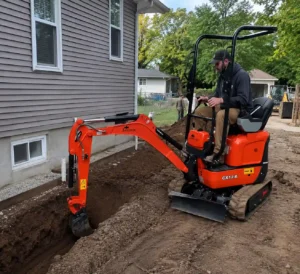
A mini excavator looks simple from a distance: tracks, boom, bucket, blade and an operator who hopefully knows where the underground pipe is. In real buying decisions, however, the machine is not simple at all. The right model must match the jobsite width, soil condition, digging depth, attachment plan, transport method and maintenance routine. A small excavator that fits through a gate but cannot handle the trench depth will slow the job. A larger compact excavator with more power may work beautifully, until the buyer discovers that moving it between sites needs a heavier trailer and a more careful transport plan.
This guide explains how contractors, dealers, rental companies and project buyers can choose a mini excavator with less guesswork. Instead of only comparing engine power or bucket size, it shows how to read the machine as a working system: weight gives stability, hydraulics support attachments, reach controls productivity, access decides whether the machine can even enter the site, and maintenance decides how long it stays profitable after the first month of use.
Quick Answer: How Should You Choose a Mini Excavator?
Choose a mini excavator by starting with the work, not the catalogue. Check the narrowest access point, required digging depth, ground condition, lifting tasks, transport limit and attachments before selecting the weight class. For light residential access, a machine under 2 tonnes may be enough. For landscaping, utilities and small construction, 2–3.5 tonnes often gives a practical balance. For deeper trenching, heavier buckets and stronger hydraulic attachments, 4–6 tonnes or above may be more suitable. The right mini digger is not the biggest one you can buy; it is the one that can finish the job without creating a second problem.
What Is a Mini Excavator and Where Does It Fit?
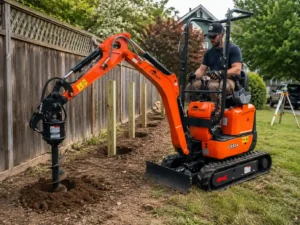
A mini excavator, also called a compact excavator or mini digger, is a tracked digging machine used for trenching, grading, backfilling, lifting, drilling, breaking and light demolition. Most machines use a boom, arm, bucket, dozer blade and rotating upper structure. Many models also support hydraulic attachments such as breakers, augers, thumbs, grapples, rippers, grading buckets and quick couplers. This makes the machine useful on jobs where a shovel is too slow but a full-size excavator would feel like bringing a bulldozer to plant a rose bush.
The machine fits well in residential construction, landscaping, drainage work, cable trenching, road edge repair, farm maintenance, orchard work and small commercial projects. Its value comes from a mix of compact size and real digging ability. It can work beside buildings, pass through restricted spaces, reduce manual labour and perform several tasks with the right attachment package. For B2B buyers, that flexibility matters because one well-matched machine can serve several customer groups rather than sitting idle until one narrow type of job appears.
Start with the Jobsite Before Comparing Specifications
Many buying mistakes happen because the buyer reads the specification sheet before looking at the site. Specifications are useful, but they only become meaningful when connected to real working conditions. A machine with strong digging force may still be a poor choice if it cannot pass through the entrance. A model with long reach may not help if the ground is soft and stability becomes the limiting factor. A hydraulic breaker may look like a profitable add-on, but only if the machine has the correct hydraulic flow, pressure and structural weight to run it properly.
Access width and working space
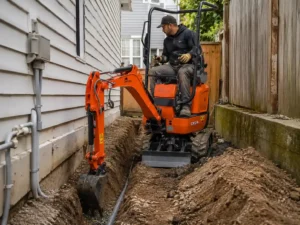
Measure the narrowest gate, alley, ramp, doorway or roadside working area before choosing the machine. This small step can prevent a very large headache. Buyers should check track width, blade width, overall height and tail swing. A retractable undercarriage can help in tight access, but the machine still needs stable track width when digging. Zero tail swing is useful near walls, fences and traffic, while conventional tail swing may be acceptable on open ground where clearance is not a problem.
Soil, surface and ground pressure
Soil condition changes the real performance of a mini excavator. Loose garden soil, wet clay, compacted gravel and broken concrete all demand different levels of digging force and stability. Rubber tracks help protect finished surfaces, lawns and paving, while steel tracks may suit tougher ground but can damage delicate surfaces. For landscaping and residential projects, the ability to work without turning the client’s lawn into a battlefield can be just as important as pure digging power.
Digging depth, reach and lifting tasks
Digging depth should match the work you do most often, not the most impressive number in the brochure. Drainage, cable trenches, foundations and septic systems have different requirements. Reach also affects productivity because a longer working envelope can reduce repositioning. Lifting tasks need separate attention, especially when handling pipes, stones, kerbs or attachments. A machine that digs well may not automatically lift safely at full reach, so buyers should check lifting charts rather than guessing from machine size.
Mini Excavator Size Guide by Operating Weight
Operating weight is the easiest way to divide mini excavators into practical classes. Heavier machines usually offer stronger digging force, more lifting capacity and better stability, but they need more transport capacity and more space. Lighter machines are easier to move and better for narrow access, but they have limits in hard ground and deep excavation. The goal is not to choose the heaviest machine available. The goal is to choose the lightest machine that can still do the work safely and efficiently.
Under 2 tonnes: tight access and light digging
Mini excavators under 2 tonnes are suitable for gardens, indoor renovation, small farms, greenhouses, light drainage and restricted residential access. They are easier to tow, easier to store and often attractive to customers who work in very narrow spaces. However, buyers should not expect large-machine performance from a compact frame. These machines are useful for careful work, but they can struggle in hard clay, deep trenches or heavy lifting. Check retractable tracks, blade width, digging depth and service access before buying.
2–3.5 tonnes: the practical middle ground
The 2–3.5 tonne range is popular because it balances manoeuvrability with useful digging ability. It suits landscaping contractors, small builders, utility teams, farm users and rental fleets. This class can handle trenching, grading, small foundations, drainage and general site preparation without becoming too difficult to transport. For dealers, it is often a sensible stocking range because demand can come from several buyer groups. For rental companies, it gives customers enough capability without requiring the transport setup of a larger machine.
4–6 tonnes: more output for heavier site work
A 4–6 tonne compact excavator is better for contractors who need deeper digging, stronger breakout force, heavier buckets and more stable lifting. This range can work well with hydraulic breakers, augers and larger grading tools when hydraulic capacity is suitable. The trade-off is transport. Buyers must check trailer capacity, local road rules, machine width and total transport height. The word “mini” can be slightly misleading here; a 5-tonne machine is still compact, but it is not a toy and should not be treated like one.
7–10 tonnes: compact footprint with serious performance
Large mini excavators sit near the boundary between compact machines and standard excavators. They are useful for road repair, utility projects, commercial landscaping, heavier trenching and small site preparation where a full-size excavator is too large. These machines provide stronger performance but also require more skilled operators, better transport planning and closer attention to operating cost. They make sense when the site is still restricted but the work demands more force and daily output.
Key Specifications That Actually Matter
A specification sheet can be helpful, but only when the buyer knows which numbers affect real work. Engine power is easy to notice, yet it is only one part of the machine. A mini excavator with good hydraulic control, suitable weight, correct bucket package and easy maintenance access may outperform a machine that only looks stronger on paper. Engineers and procurement teams should compare the whole system rather than one impressive figure.
Operating weight and stability
Operating weight affects transport, stability, lifting capacity and ground pressure. Check whether the published weight includes canopy or cabin, bucket, fuel, fluids, counterweight and track type. In dealer and rental purchasing, this detail matters because customers may move the machine with different trailers. A small difference on paper can become a transport problem when the machine is loaded with bucket, quick coupler and attachment.
Hydraulic flow and attachment compatibility
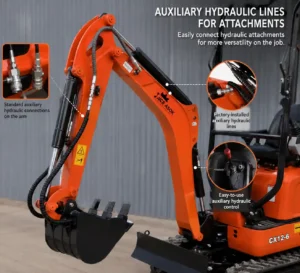
Auxiliary hydraulic flow is one of the most important specifications for buyers who want to use more than a bucket. Hydraulic breakers, augers, flail mowers, thumbs, grapples and tilt buckets all need the correct flow, pressure and circuit type. If the flow is too low, the attachment works slowly. If the attachment is too large, it can stress the boom, arm, pins, bushes and hydraulic system. The safe method is simple: compare the attachment specification with the carrier machine before ordering.
Bucket choice and digging efficiency
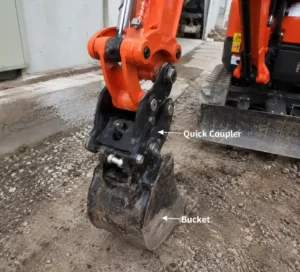
Bucket size should match soil type, trench width and machine power. A large bucket moves more material in theory, but it can slow cycle times if the machine cannot fill or lift it efficiently. A narrow trenching bucket, a standard digging bucket and a grading bucket often create more value than one oversized bucket. For rental fleets, a practical bucket set also helps customers use the machine correctly instead of forcing one bucket to do every job badly.
Service access and daily maintenance
Maintenance is not exciting, but downtime is even less exciting. Buyers should check access to filters, grease points, hydraulic hoses, radiator, battery and daily inspection areas. A machine that is easy to service is more likely to be maintained on time, especially in a rental fleet where many operators use the same equipment. Protected hoses, simple panels and common wear parts can reduce repair time and keep the machine available for paying work.
Mini Excavator Selection Table
| Weight Class | Typical Work | Main Buying Logic | Risk to Check |
|---|---|---|---|
| Under 2 tonnes | Gardens, indoor work, narrow access, light trenching | Choose when entry width and easy transport matter most | Limited digging force, lifting capacity and stability |
| 2–3.5 tonnes | Landscaping, drainage, small construction, farm work | Choose for balanced power, access and rental demand | Check digging depth, bucket package and trailer weight |
| 4–6 tonnes | Utilities, deeper trenches, heavier buckets, breaker work | Choose when productivity and hydraulic performance matter | Transport limits, hydraulic match and site clearance |
| 7–10 tonnes | Road repair, commercial sites, heavier compact excavation | Choose when a standard excavator is too large but work is demanding | Higher ownership cost and need for skilled operation |
How Different Buyers Should Make the Decision
Not every buyer reads a mini excavator in the same way. A contractor wants productivity and reliability on real jobsites. A rental company wants simple operation, strong panels and low downtime. A dealer wants models that local customers understand and parts that can be supported without turning the warehouse into a puzzle. The same machine can be a good purchase for one buyer and a poor fit for another if the business model is different.
Contractors
Contractors should start with common job types and daily movement between sites. If the machine will trench, grade, lift and occasionally use a breaker, it needs enough hydraulic capacity, stable lifting performance and a sensible attachment package. Fast transport also matters because a compact machine often works on short projects. A machine that performs well but takes too much effort to move may reduce profit across the week.
Landscaping companies
Landscaping buyers should focus on smooth control, rubber tracks, low ground damage and useful attachments. A grading bucket, auger and quick coupler can make the machine far more productive on gardens, parks, paving preparation and retaining wall work. The machine should dig accurately, move gently and leave the site looking professional. A neat finish is part of the job, not a decoration added at the end.
Rental fleets
Rental buyers need machines that are easy to understand and difficult to damage through normal use. Clear controls, protected hydraulic lines, accessible service points and popular weight classes are more valuable than unusual features that only a few customers need. Attachments can increase rental income, but they should match the carrier properly. A breaker that damages pins faster than it earns rental fees is not a business strategy; it is a slow leak in the profit bucket.
Dealers and wholesalers
Dealers should consider local demand, spare parts supply, attachment range and model concentration. Stocking too many different models can make after-sales support harder. A focused range of compact excavators, buckets, quick hitches, breakers, augers and wear parts is often easier to sell and support. Customers gain confidence when the dealer can explain not only the machine price, but also the working setup and service plan.
Common Buying Mistakes and How to Avoid Them
The most common mistake is choosing by price alone. A lower purchase price may be attractive, but weak hydraulic performance, poor service access or limited parts support can quickly remove the saving. Another mistake is forgetting the narrowest access point. Buyers often check operating weight and engine power, then discover that the machine cannot pass through the gate, ramp or alley where the work actually begins.
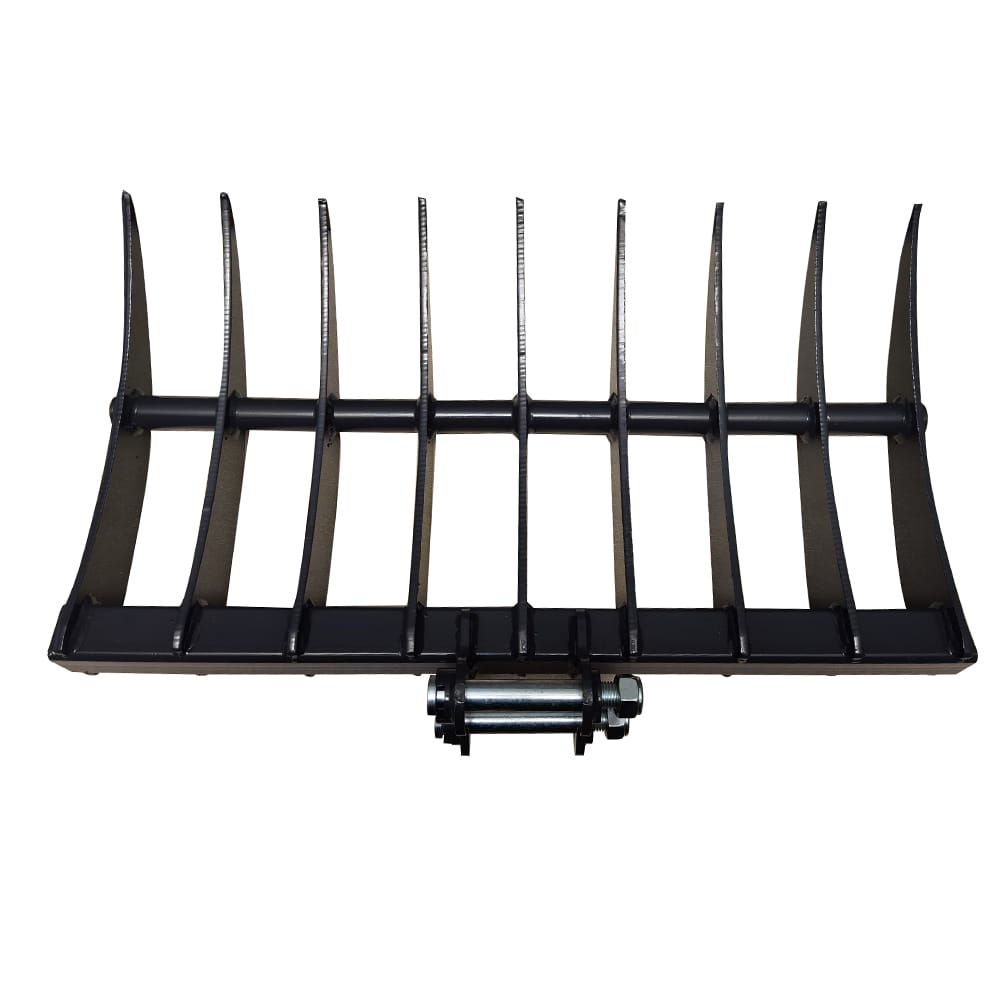
Attachment mismatch is another frequent problem. A mini excavator may physically carry a breaker or auger, but that does not mean it can run the tool efficiently. Flow, pressure, hose size, coupler style, attachment weight and machine stability must all match. Bucket oversizing is also common. A bucket that is too large can slow cycle times, increase fuel use and add stress to pins and bushes. In most mixed-use jobs, the correct bucket set beats the biggest bucket.
Mini Excavator Maintenance for Long-Term Value
A mini excavator works close to mud, stones, roots, concrete, dust and impatient schedules. Wear is normal, but poor maintenance makes it expensive. Daily checks should include track condition, hydraulic hoses, oil leaks, grease points, bucket teeth, pins, bushes and radiator cleanliness. The undercarriage deserves special attention because tracks, rollers and sprockets carry the whole machine and face constant wear.
For machines using hydraulic breakers, greasing and inspection become even more important because impact loads travel through the tool and carrier structure. For augers, check drive components and avoid side loading. For rental fleets, a simple return inspection checklist can catch damage before the next customer receives the machine. Maintenance may not be glamorous, but it keeps the excavator earning money instead of posing sadly in the repair corner.
Questions to Ask Before Sending a Mini Excavator Enquiry
Before requesting a quotation, prepare the information that helps a supplier recommend the correct model. State the required digging depth, narrowest access width, common soil type, transport method, attachment plan and expected working hours. If the machine is for resale or rental, also explain the target customer group and local engine or documentation requirements. Clear information leads to a better recommendation and reduces the chance of buying a machine that looks right in the quote but feels wrong on site.
- What operating weight range can your trailer or delivery method handle?
- What digging depth and reach do your common jobs require?
- What is the narrowest access width on your typical jobsites?
- Will the machine use a breaker, auger, thumb, grapple or grading bucket?
- What auxiliary hydraulic flow and pressure do those attachments need?
- Do you need canopy, cabin, pilot control or mechanical control?
- Which spare parts should be stocked for normal maintenance?
- Are there engine, emission, branding or documentation needs in your market?
FAQ About Mini Excavators
What size mini excavator do I need?
The right size depends on access width, digging depth, soil condition, transport method and attachment use. Under 2 tonnes suits narrow access and light work. The 2–3.5 tonne range is practical for landscaping and small construction. Heavier compact excavators suit deeper digging, stronger lifting and hydraulic attachment work.
Can a mini excavator use a hydraulic breaker?
Yes, many mini excavators can use a hydraulic breaker, but the breaker must match the machine’s operating weight, hydraulic flow, pressure and coupler system. An oversized breaker can reduce performance and increase wear on the boom, arm, pins, bushes and hydraulic lines.
Is zero tail swing necessary?
Zero tail swing is useful when working near walls, fences, buildings, road traffic or finished surfaces. It reduces the risk of the rear of the machine hitting nearby objects. On open sites, conventional tail swing may also work well and may offer a different balance of cost and stability.
Which attachments are useful for a mini excavator?
Common attachments include trenching buckets, grading buckets, quick couplers, hydraulic breakers, augers, rippers, thumbs and grapples. The right choice depends on daily work. Start with the attachments used most often, then add specialist tools only when the machine and job demand them.
Is a mini excavator a good machine for rental fleets?
A mini excavator can be a strong rental machine when it uses a popular weight class, simple controls, durable panels, accessible service points and commonly available spare parts. Rental buyers should also choose attachments carefully because poor matching can create damage and downtime.
What should dealers check before importing mini excavators?
Dealers should check local demand, engine options, spare parts supply, attachment compatibility, warranty support, documentation and container loading plans. A focused range of models is usually easier to sell and maintain than many unusual configurations with limited parts overlap.
Product Enquiry Guidance
If you already know your required digging depth, access width and attachment plan, include those details when requesting a mini excavator quotation.
For dealer or rental fleet orders, ask for model suggestions by weight class, bucket package, spare parts kit and hydraulic attachment compatibility.
If your market has engine, emission, colour, branding or documentation requirements, confirm them before finalising the machine configuration.