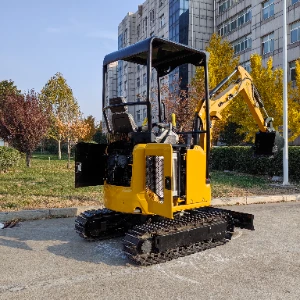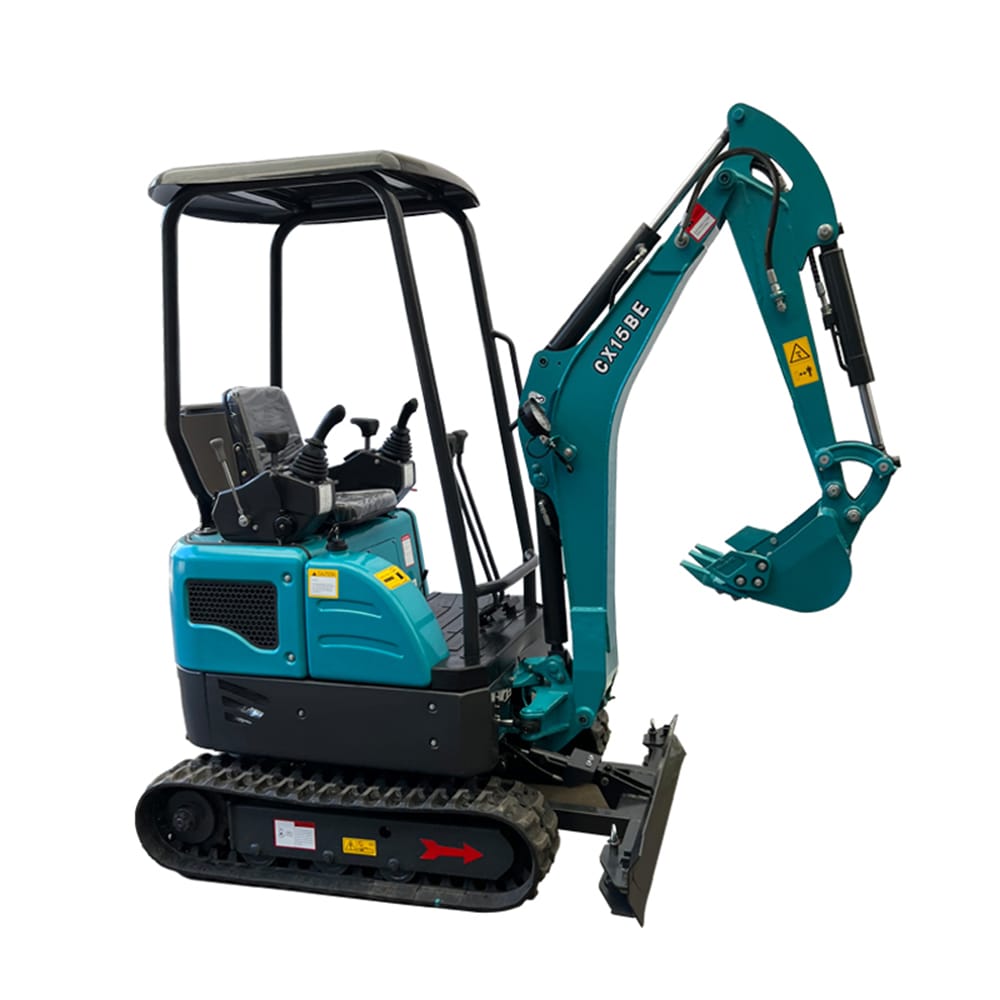

Introduction: Why Mini Excavator for Trenching Matters
When it comes to precision digging and utility installation, choosing the right mini excavator for trenching can significantly impact productivity, cost, and project quality. Many contractors and equipment buyers begin with a mini excavator comparison to evaluate performance, attachments, and digging capabilities before making a decision.
From analyzing top-ranking industry content, it’s clear that users are not just looking for specifications—they want practical insights: how deep machines can dig, which attachments improve efficiency, and whether a mini excavator is better than a trencher. This guide focuses on those real-world decision factors, helping you select the right machine with confidence.
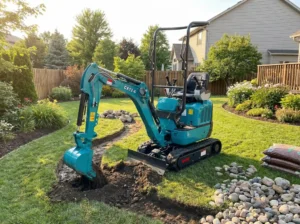
Mini Excavator Comparison: Key Performance Factors
A proper mini excavator comparison goes beyond brand or price. Engineers and operators typically evaluate machines based on performance consistency under real jobsite conditions.
Power-to-Weight Ratio and Stability
A balanced power-to-weight ratio ensures that the excavator delivers sufficient digging force without compromising stability. Lightweight machines are easier to transport and ideal for residential jobs, but heavier models offer better trenching control in compacted soil.
Hydraulic System Efficiency
Hydraulics directly affect trenching precision. A responsive hydraulic system allows smoother bucket control, especially when working in narrow trenches or around utilities. Poor hydraulic response often leads to uneven trench walls and rework.
Mobility in Tight Spaces
For trenching in urban or residential environments, compact swing radius and track width are critical. Machines designed for tight access reduce repositioning time and improve workflow efficiency.
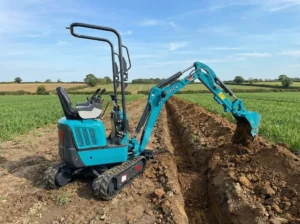
Mini Excavator for Small Projects: Practical Considerations
Using a mini excavator for small projects such as landscaping, irrigation, or cable installation requires a different approach than large-scale construction.
Ease of Operation and Transport
Operators often prioritize intuitive controls and quick setup. Machines that can be transported with standard trailers reduce logistical complexity and cost.
Versatility Across Tasks
A mini excavator should not be limited to trenching alone. The ability to switch attachments quickly makes it useful for grading, backfilling, and material handling, maximizing ROI.
Mini Excavator Features to Consider Before Trenching
Understanding mini excavator features to consider is essential when trenching efficiency and accuracy are priorities.
Adjustable Track Width
Expandable undercarriages allow operators to access narrow spaces and then widen the base for stability during trenching.
Auxiliary Hydraulics for Attachments
Attachments like augers or trenchers require auxiliary hydraulic lines. Machines without this feature limit operational flexibility.
Operator Comfort and Visibility
Long trenching tasks demand ergonomic seating, clear sightlines, and minimal vibration. Fatigue can reduce precision and increase errors over time.
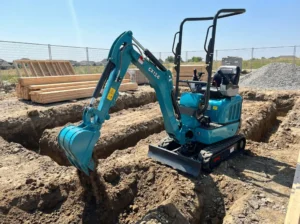
Mini Excavator Digging Depth: What You Need to Know
One of the most critical technical parameters is mini excavator digging depth, especially for utility and drainage work.
How Deep Can a Mini Excavator Dig
The answer to how deep can a mini excavator dig depends on machine size. Typical ranges include:
- 1–2 ton machines: 5–7 feet
- 3–5 ton machines: 8–12 feet
However, real-world depth is influenced by soil conditions, bucket type, and operator skill. Clay or rocky soil reduces effective digging depth due to resistance.
Matching Depth to Project Requirements
Overestimating depth leads to unnecessary equipment costs, while underestimating causes inefficiency. Always match machine capability with trench specifications.
Trenching with Mini Excavator: Techniques That Improve Efficiency
Effective trenching with mini excavator involves more than just digging—it requires technique and planning.
Layered Digging Approach
Instead of digging to full depth in one pass, experienced operators work in layers. This reduces strain on the machine and improves trench accuracy.
Proper Machine Positioning
Keeping the excavator aligned with the trench path minimizes track movement and ensures straight, uniform trenches.
Soil Management
Spoil placement is often overlooked. Properly placing excavated soil prevents rehandling and speeds up backfilling.
Mini Excavator Trenching Bucket & Attachments Guide
Attachments are where trenching performance truly scales. Choosing the right mini excavator trenching bucket or alternative tools can double productivity.
Trenching Bucket for Mini Excavator
A trenching bucket for mini excavator is narrower than standard buckets, designed for precise, clean trenches.
Key advantages:
- Reduced soil displacement
- Cleaner trench walls
- Lower backfill requirements
Choosing the right width is critical—too wide wastes effort, too narrow increases passes.
Trencher Attachment for Mini Excavator
A trencher attachment for mini excavator is ideal for long, consistent trenches such as pipelines or cables.
Best use cases:
- Uniform depth requirements
- Soft to medium soil conditions
- High-speed trenching operations
However, trenchers are less flexible in rocky terrain compared to buckets.
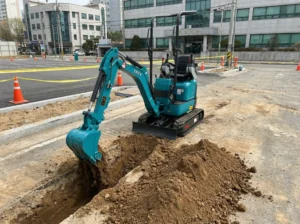
Mini Excavator vs Trencher: Which One Should You Choose
The debate between mini excavator vs trencher depends on project complexity.
Mini Excavator Advantages
- Versatile across multiple tasks
- Better in mixed or hard soil
- More control in tight spaces
Trencher Advantages
- Faster for long, straight trenches
- Consistent depth and width
- Lower operator skill requirement
Decision Insight
If your project involves varied conditions and multiple tasks, a mini excavator is the better investment. For repetitive trenching in ideal soil, a trencher may be more efficient.
Real-World Selection Strategy (Engineer’s Perspective)
From a practical engineering standpoint, selecting the right machine involves balancing three factors:
- Project Scope: Length, depth, and soil type
- Attachment Compatibility: Bucket vs trencher
- Operational Efficiency: Fuel, speed, and labor
A well-matched setup reduces total project cost—not just equipment price.
Read Related Articles
Mini Excavator Attachments Guide
The Advantages of Mini Excavators in Construction Operations