
Mini Excavator Attachments Guide: Buckets, Couplers and Compatibility Explained
When people search for mini excavator attachments, they usually want clear answers. They want to know what tool to use, what fits their machine, and what helps them work faster.
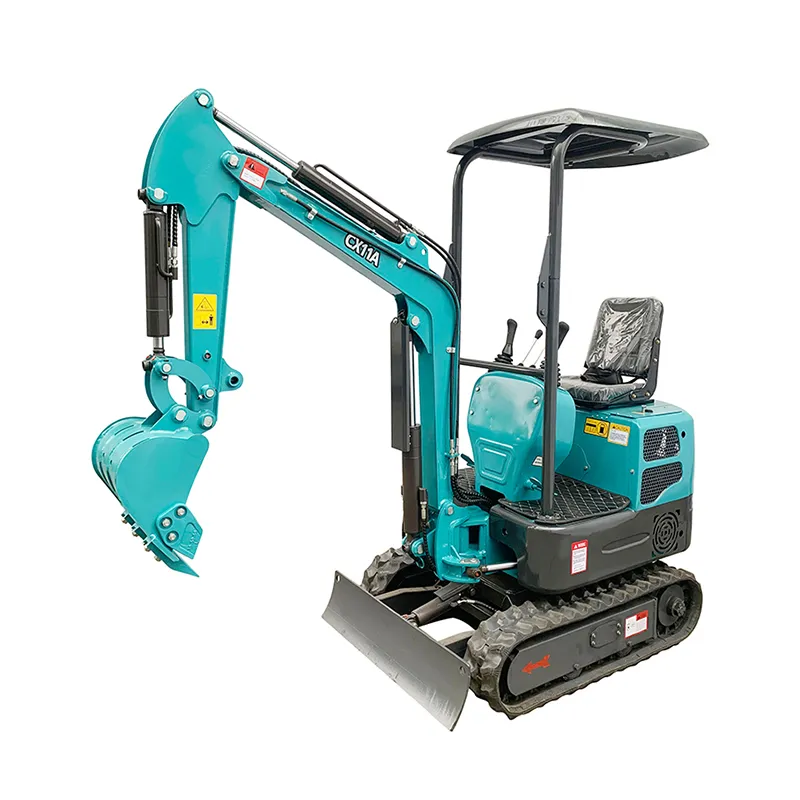
That is why this guide matters. The right attachment can help one small excavator do many jobs. It can dig, drill, grab, break, clear, and level ground.
Still, not every tool is right for every machine. A tool may look fine in photos, but that does not mean it will work well on site. Good choice comes from job needs, machine size, coupler type, and tool fit.
This article explains the basics in plain language. It covers mini digger buckets, mini excavator quick coupler systems, and mini excavator attachment compatibility. It also looks at common tools like breakers, thumbs, augers, grapples, and rakes.
Why Attachments Matter More Than Many Buyers Expect
A mini excavator can do much more with the right tool. Without the right attachment, even a good machine may work slowly. It may also leave a rough finish or need more labour on site.
The right tool saves time. It can also reduce rework. That means the machine stays useful across more jobs, and the operator can do more with one carrier.
Mini Digger Buckets: Still the Star of the Show
Among all mini digger buckets, the standard digging bucket is still the most common. It handles many daily jobs. Even so, bucket choice still matters a lot.
A narrow bucket is good for trenching. It helps make cleaner lines and moves less spoil. A wide grading bucket is better for smoothing, shaping, and light finishing work.
Some buyers choose the biggest bucket that will fit. That often sounds smart at first. On site, though, it can slow the machine down and make work feel heavy.
A bucket that is too wide can hurt digging force. It can also make the front of the machine feel less stable. In many cases, the best bucket is not the biggest one. It is the one that fits the job best.
How to Choose the Right Mini Digger Bucket
Start with the job. If the job is trenching, choose a trenching bucket. If the job is grading, choose a grading bucket. This sounds simple, but it saves a lot of trouble.
Many operators keep two buckets ready. One is for digging. One is for finishing. This costs more at first, but it often saves more time later.
You should also think about machine size. A small excavator cannot use a very large bucket well in hard ground. The machine may feel weak, and the bucket may not fill cleanly.
So the goal is not to buy the biggest bucket. The goal is to buy the right one. Good bucket choice makes work faster, cleaner, and easier.
How Bucket Width Affects Stability and Finish Quality
Bucket width changes how the machine feels. A wider bucket can carry more loose soil. It also adds more load to the front of the excavator.
On small machines, that extra load matters. You may feel it when lifting, swinging, or dumping. The excavator may feel slower or less steady, especially on soft ground.
Bucket size also affects finish quality. A good size helps the operator dig straight lines and shape clean edges. A poor size can make the job rough and force extra work later.
That is why width should match the task. Bigger is not always better. Better is better.
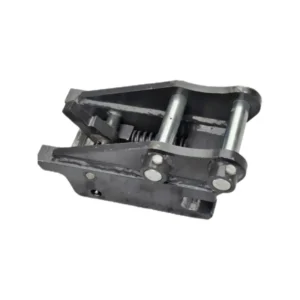
Mini Excavator Quick Coupler: Fast Changes, Serious Responsibility
A mini excavator quick coupler makes tool changes much faster. This helps a lot on busy sites. Operators can switch from one bucket to another without wasting too much time.
Without a coupler, people often keep one tool on the machine for too long. That may save a few minutes during changeover, but it can slow the whole job. The wrong tool stays on because changing it feels like a chore.
With a coupler, the right tool is more likely to get used. That improves work speed and helps the machine handle more tasks in one day.
Still, speed is only helpful when safety comes first. A coupler must lock fully. It must also be checked the right way before work starts.
What Quick Coupler Fits a Mini Excavator
The right coupler depends on the machine model and the attachment setup. Machine weight alone is not enough. Two machines in the same size class may use different linkage or coupler styles.
First, check the machine details. Then check the coupler type. After that, check the attachment connection. If one part does not match, the system may not work well.
Some couplers are made for simple bucket changes. Others support a wider range of tools. The best choice depends on how often you change tools and what kind of work the machine does most.
So do not guess based on tonnage alone. A proper match gives better safety and better daily use.
Quick Coupler Safety Checks Before Work Starts
Every shift should start with a coupler check. Make sure the attachment is fully engaged. Make sure the lock or safety pin is in the correct place.
After fitting the tool, do a proper test. Lift and move the attachment in a safe way. Confirm that it stays locked before normal work begins.
Keep people away during this check. No one should stand near the swing area. A small mistake can become a big accident very fast.
Good operators treat this as a normal step. It is not extra fuss. It is basic site sense.
Mini Excavator Attachment Compatibility: Where Smart Buyers Save Money
Mini excavator attachment compatibility is one of the most important checks before buying. Many people ask, “Will it fit?” That is a good start, but it is not enough.
A tool may fit the pins and still be a poor choice. It may be too heavy. It may need a different coupler. It may ask more from the hydraulic system than the machine can give.
Good compatibility has three parts. The tool must fit the machine. The hydraulic system must match. The machine must stay stable during work.
If one of these parts is wrong, the tool may still go on the machine. But it may not work well, and it may not work safely. That is why smart buyers check more than just the pin holes.
Are Mini Excavator Attachments Universal
No. Mini excavator attachments are not universal in a strict sense. Many tools are sold for broad size classes, but that does not mean they fit every machine or every coupler.
The word “universal” sounds nice in sales text. In real work, though, exact fit matters. The wrong tool can waste money, delay work, and create safety risk.
It is better to ask a more exact question. Ask whether the tool fits your machine, your coupler, and your job. That is a much safer way to buy.
A tool is only “universal” until someone measures it properly.
How to Measure Mini Digger Bucket Pin Size
If you want to know how to measure mini digger bucket pin size, start with three points. These are pin diameter, pin centres, and dipper gap.
Pin diameter is the thickness of the pin. Pin centres are the distance from the centre of one hole to the centre of the other. Dipper gap is the inside width between the mounting ears.
The best way to check this is to measure a tool that already fits your machine. Use millimetres and write the numbers down clearly. Do not trust memory after a long day on site.
If one measurement is wrong, the tool may almost fit. That is often the worst result of all. It looks close enough to work, but it still wastes your time.
How Do I Know if an Attachment Is Compatible
Check four things. Check the dimensions. Check the coupler type. Check the hydraulic needs. Check the tool weight.
If the dimensions are right but the hydraulic flow is wrong, the tool may still perform badly. If the tool is too heavy, the machine may lose balance during work.
So do not stop after one check. A full match needs all parts to work together. This is what real compatibility means.
The safest buying method is simple. Gather the machine details first. Then ask the supplier to confirm the match based on facts, not guesswork.
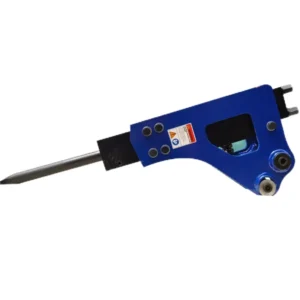
Breaker Attachment for Mini Excavator: Compact Machine, Serious Attitude
A breaker attachment for mini excavator is good for hard jobs. It can break concrete, lift old asphalt, and help with light demolition.
This is useful on small sites where large machines cannot move easily. A mini excavator with a breaker can do tough work in tight spaces.
Still, a breaker is not a magic fix for every hard surface. It needs the right hydraulic flow and pressure. It also needs to match the size of the excavator.
If the breaker is too large or the oil flow is wrong, performance will suffer. The tool may feel weak, rough, or slow. So breaker choice must be based on proper machine data.
Mini Excavator Thumb: Turning a Bucket into a Better Handler
A mini excavator thumb helps the bucket hold awkward material. It is very useful for stones, roots, timber, broken concrete, and mixed debris.
Without a thumb, the bucket can scoop. It cannot grip odd shapes very well. With a thumb, the machine can pick, hold, and place material with more control.
This makes the thumb useful for land clearing, site cleaning, and demolition support. It may not look as dramatic as a breaker, but it often helps more often.
The thumb must match the bucket and machine geometry. If that match is poor, grip quality will be poor too. A good thumb should work with the bucket, not fight against it.
Mini Excavator Auger Attachment: Perfect for Holes, Not for Guesswork
A mini excavator auger attachment is made for drilling holes. It is useful for fencing, planting, signs, and light foundation work.
This makes it a good tool for landscaping, farming, and utility jobs. It helps one excavator do more tasks without needing another machine on site.
But augers need the right hydraulic support. The machine needs enough flow, control, and front-end stability. Ground type also matters.
If you buy an auger without checking machine specs, you are taking a risk. It may fit the machine, but still not work the way you need. That is why spec checks come first.
Mini Excavator Grapple: For Sorting, Clearing and Handling Awkward Loads
A mini excavator grapple is useful for brush, timber, waste, and broken concrete. It helps the machine hold material that does not sit neatly in a standard bucket.
This makes it a strong choice for land clearing, recycling work, and demolition support. It gives the operator more control when sorting and moving mixed loads.
Still, the main issue is not only fit. Balance matters too. A grapple changes how the machine feels when lifting and swinging.
If the grapple is too large, the excavator may feel awkward and unstable. A good match feels smooth and controlled. A bad match feels like hard work before lunch.
Mini Excavator Rake: Underrated, but Clever in the Right Job
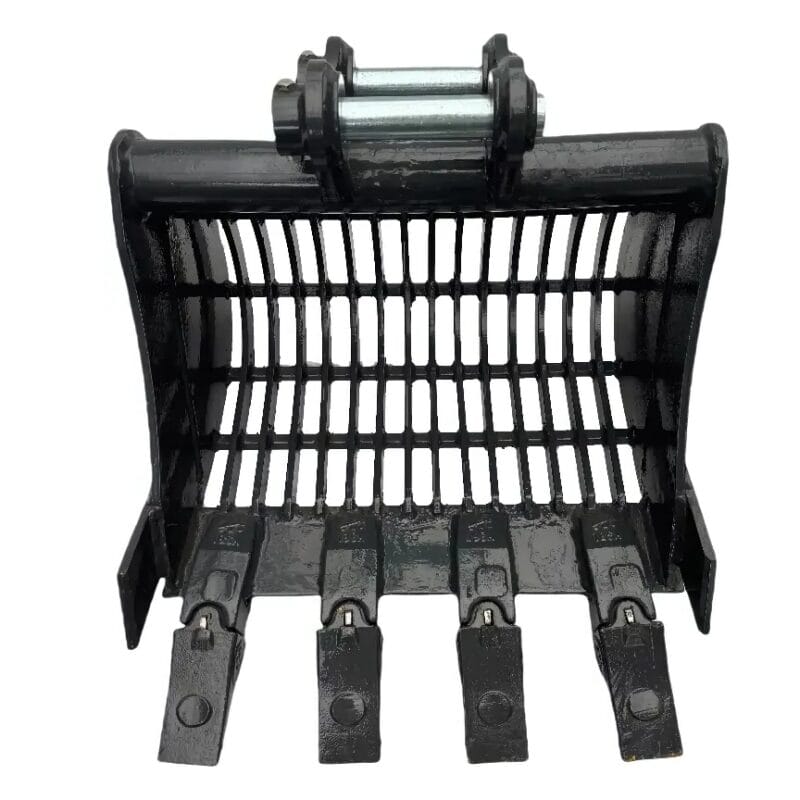
A mini excavator rake is useful for light surface work. It can help with root removal, brush gathering, and site clean-up.
It is a helpful tool in landscaping and land preparation. A rake can pull debris together without carrying too much loose soil.
This makes sorting easier. It also reduces extra handling, which helps save time on site. Sometimes a simple tool brings the biggest daily gain.
A rake is not the best choice for trenching or heavy digging. But for surface clearing, it can do a very tidy job.
A Simple Way to Choose the Right Attachment
Start with the main job. Ask what the machine needs to do most often. Is it trenching, grading, breaking, drilling, sorting, or clearing?
Then check machine size and operating weight. After that, check the coupler type, pin measurements, hydraulic needs, and tool weight.
This order helps you filter bad choices early. It stops you from buying a tool first and asking hard questions later.
The best attachment is not always the most expensive or the most complex. It is the one that fits the machine, suits the work, and gets used again and again.
Final Thoughts
The real value of mini excavator attachments is simple. They help one compact machine do more work. That makes the machine more useful and the job more efficient.
That is why buyers care so much about mini digger buckets, mini excavator quick coupler systems, and mini excavator attachment compatibility. These are not side topics. They shape the whole buying choice.
A good tool choice comes down to four things. Task, fit, hydraulics, and safety. Get these right, and the machine will work better across many jobs.
Get them wrong, and even a new tool can become yard decoration. Steel is expensive, so it is best to buy the kind that actually works.
FAQ
Are Mini Excavator Attachments Universal?
No. They are not universal in a true technical sense. They must match the machine, coupler, and sometimes the hydraulic setup too.
How to Measure Mini Digger Bucket Pin Size?
Measure pin diameter, pin centres, and dipper gap. Use millimetres and measure a tool that already fits your machine if possible.
What Quick Coupler Fits a Mini Excavator?
The right coupler depends on the machine model, coupler style, and attachment setup. Machine size alone is not enough.
How Do I Know if an Attachment Is Compatible?
Check the dimensions, coupler type, hydraulic needs, and tool weight. If one part is unclear, the match is not confirmed yet.