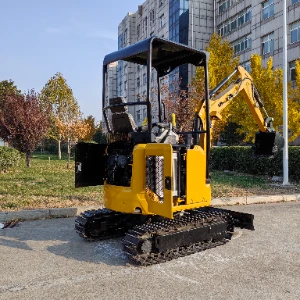

Buying a mini excavator from China is exciting, especially when the machine you ordered is finally ready. You have confirmed the price, chosen the configuration and waited for production to finish. Now the factory sends you a few photos and says, “Your machine is ready for shipment.”
Great news! But before giving the green light, there is one more thing worth doing: checking whether the machine in those photos is actually the machine you ordered.
A mini excavator pre-shipment inspection helps overseas buyers verify the machine’s specifications, main components, working functions and included accessories before export. It can also catch small problems while the machine is still at the factory, rather than after it has travelled thousands of miles.
You do not need to inspect every bolt with a magnifying glass. What you need is a practical checklist, a little patience and clear communication with your supplier.
1. Start with the Purchase Order, Not the Paintwork
A freshly painted excavator always looks impressive. However, a good paint finish does not tell you whether the correct engine, tracks or optional equipment have been installed.
Before checking the machine itself, take out your purchase order or confirmed technical specification. Compare it with the actual machine, starting with the identification plate, model and serial number. These details help make sure that the machine being inspected is the one allocated to your order.
Next, check the main configuration:
| Item | What to Check |
|---|---|
| Machine model | Model name and identification plate |
| Serial number | Actual machine identification |
| Engine | Brand, model and agreed configuration |
| Operating weight | Confirmed machine specification |
| Cab or canopy | Correct operator configuration |
| Undercarriage | Rubber or steel tracks, as ordered |
| Attachments | Correct types and quantities |
| Optional equipment | All agreed features installed |
Pay special attention to optional equipment. A quick hitch, additional hydraulic lines or enclosed cab may seem like small details on a quotation, but they can make a big difference once the excavator reaches your jobsite.
If something does not match the order, ask the supplier to explain the difference before approving shipment.
2. Give the Engine a Proper Check
Once the machine configuration is confirmed, move on to the engine. Start by checking its identification plate and comparing the brand and model with the agreed specification.
Then comes the practical part. Ask the factory team to start the machine and observe how it runs. Check the instrument display, listen for unusual knocking or vibration, and look around the engine compartment for visible oil or coolant leaks.
Also pay attention to the cooling system, electrical connections and warning indicators. If something looks unusual, it is better to investigate it now than to explain it to your maintenance team after delivery.
Different engines have different operating requirements, so do not apply one universal temperature or pressure limit to every machine. The manufacturer’s manual should always be the reference.
3. Check the Hydraulic System Carefully
If the engine is the heart of the excavator, the hydraulic system is what gives it the ability to work. It controls the boom, arm, bucket, blade and swing, so this part deserves more than a quick glance.
Start with the visible components. Check hydraulic hoses, fittings, cylinders and connections for damage, loose fittings or signs of oil leakage. Pay attention to hose routing as well. A hose that rubs against a sharp edge may look fine today but become a problem after repeated movement.
Next, ask the operator to test the main hydraulic functions. The boom, arm, bucket and swing should respond according to the machine’s operating specifications.
If you ordered auxiliary hydraulics for a breaker, auger, grapple or hydraulic thumb, check that the agreed connections and circuit configuration are installed. A machine may look perfectly correct while still having the wrong setup for the attachment you plan to use.
Our mini excavator attachment compatibility checklist explains the mounting and hydraulic details buyers should confirm before ordering attachments.
4. Inspect the Tracks, Undercarriage and Working Structure
Now it is time to look at the parts that spend most of their working life in contact with the ground.
Check the tracks, rollers, sprockets and track tension. Look for visible damage, abnormal wear or loose components. If the excavator uses rubber tracks, pay attention to cuts and damage around the track surface.
Move on to the boom, arm and bucket. Inspect visible weld areas, mounting points and structural surfaces for cracks, deformation or other signs of damage. Check pins, bushings and cylinder mounting points for obvious problems.
A useful tip for buyers: do not judge structural quality by the paint finish alone. Fresh paint can make almost anything look attractive. What matters is the condition of the actual components underneath.
Visual inspection cannot replace professional non-destructive testing where that is necessary, but it is a sensible first step before shipment.
5. Test the Machine, Not Just the Photographs
This is one of the most important parts of the inspection. A photograph can show you what a machine looks like, but it cannot tell you how it operates.
Under qualified supervision and following the machine’s operating instructions, ask the factory team to demonstrate:
- Engine starting and normal running.
- Boom, arm and bucket movements.
- Swing operation in both directions.
- Forward and reverse travel.
- Dozer blade operation.
- Lights, instrument display and warning devices.
- Auxiliary hydraulic functions, if included in the order.
Watch the machine while it works. Listen for unusual noises, look for visible leakage and check that the movements respond properly to the controls.
For overseas buyers who cannot visit the factory, request clear videos of the actual machine allocated to the order. Ideally, the video should show its identification plate, engine starting, travel and main working functions.
A two-minute video of the real excavator is often more useful than a ten-minute promotional video full of music and camera effects.
6. Check Attachments, Spare Parts and Accessories
Before the machine is packed, compare the attachments and accessories with the original order and packing list.
Check the bucket types and quantities, mounting dimensions, hydraulic connections and any additional equipment included in the purchase. If the order includes spare parts, a tool kit or an operator manual, make sure these items are prepared as agreed.
Do not assume that every supplier includes the same accessories. If something was promised during quotation, make sure it is recorded in the confirmed order.
This is also a good time to take photographs of the attachments and loose accessories before they are packed. It makes later checking much easier.
7. Review the Documents and Prepare for Shipping
The machine has passed its main checks, the attachments are ready and everything looks good. Before loading, there is still one final job: making sure the documents and packing arrangements are in order.
Depending on the contract and destination country, the documents may include:
- Commercial Invoice.
- Packing List.
- Sales Contract.
- Machine Technical Specifications.
- Operator Manual.
- Applicable compliance or origin documents.
Check that the machine model, quantity and relevant identification details are consistent across the documents.
Packing deserves attention too. Confirm that loose accessories are secured, exposed components are protected and the machine is prepared for the agreed transport method.
Some countries also have specific cleaning or biosecurity requirements for imported machinery, especially when soil or plant material is present. Check the destination country’s rules before shipment rather than assuming that one packing standard works everywhere.
8. What Should You Do If Something Is Wrong?
Finding a problem during inspection does not automatically mean the order has gone wrong. The important thing is to deal with it before the machine leaves the factory.
Take clear photographs or videos, identify the machine and explain which agreed specification has not been met. Send the findings to the supplier and agree on the corrective action, responsible person and completion date.
If a correction is made, request updated photographs or a repeat inspection of the affected component. Keep the inspection records together with the purchase order and shipment documents.
For larger orders or purchases with specific quality requirements, you may also consider an independent third-party inspection company. Agree on the inspection scope and acceptance criteria before the inspection takes place.
Frequently Asked Questions
What should I check before a mini excavator is shipped from China?
Start with the machine model, serial number and engine configuration. Then inspect the hydraulic system, undercarriage, attachments, main functions, documents and packing condition. Most importantly, compare the actual machine with the confirmed purchase order.
Can I inspect a mini excavator remotely without visiting the factory?
Yes. Request clear photographs of the identification plate, engine and machine configuration, together with videos showing the actual machine operating. For larger orders, an independent inspection company can provide additional verification.
Should I ask for a running video before shipment?
Definitely. A useful video should show the actual machine starting, travelling, swinging and operating its main functions. Ask the supplier to identify the machine in the video so there is no confusion about which unit was tested.
What documents should I receive before shipment?
The agreed documents may include a commercial invoice, packing list, technical specifications and operator manual. Additional certificates or compliance documents depend on the destination market and the purchase agreement.
Is a third-party inspection necessary?
Not for every order. It depends on the order value, quantity, risk and your ability to verify the machine. Independent inspection can be helpful when the buyer cannot visit the factory or has specific contractual acceptance requirements.
Before Your Mini Excavator Leaves the Factory, Let’s Check the Details
A successful purchase is not just about finding a good price. The machine also needs to match your order, operate as expected and arrive with the correct accessories and documents.
At ACE Machinery, we manufacture mini excavators and compact construction equipment for overseas customers. If you are planning an order, share your required model, quantity, engine configuration, attachment requirements and destination country with our team.
You can visit our mini excavator manufacturing and factory tour page to learn more about our production process, or contact ACE Machinery to discuss your machine configuration and shipment requirements.
Inspection procedures and acceptance criteria should be agreed for each machine and purchase order. Always follow the applicable manufacturer’s instructions and destination-market requirements.