
Why Does a Mini Excavator Track Keep Coming Off?
A mini excavator track coming off once can ruin an afternoon. When the same track comes off again, putting it back on is no longer the whole job. The track may be too loose, but mud packed into the undercarriage, a worn roller or an idler that no longer holds position can cause trouble too. Before anyone reaches for the grease gun, it helps to ask a simpler question: what was the machine doing when the track came off?
The checks below will help you describe the fault, narrow down possible causes and decide when a technician needs to take over. They do not replace the operation and maintenance manual for your exact machine. Track-tension measurements and adjustment methods vary by model.
Note When and Where the Track Comes Off
First, stop the excavator and look at the pattern. Is it always the left track? Does it happen while reversing, turning sharply or crossing uneven ground? Was there a stone wedged near the idler? Take photos before cleaning the undercarriage; the mud you are about to remove may be an important clue.
If the same side keeps losing its track, compare that side with the other one. Look for uneven wear, a track that runs out of line or a roller that appears damaged. If it happens mainly on tight turns, side loading may be part of the story, but do not blame the operator before checking the hardware. Caterpillar identifies sharp turns, slopes, debris and incorrect tension as factors that can affect rubber-track wear. Source: Caterpillar rubber-track wear guide.
Do not keep operating a machine that repeatedly throws a track, runs visibly out of line or has damaged track components. Getting the track back on only proves that it is back on. It does not prove that it will stay there.
Check Tension, but Use the Right Manual
Clear packed soil and stones from the undercarriage before checking tension. Then follow the manual for the exact excavator model to position and support the machine, find the measurement point and compare the gap with its specified range. Keep hands clear of pinch points, and never work beneath a machine supported only by its bucket or blade.
This is where a number found online can do more harm than good. Caterpillar’s instructions for a Cat 304 describe a specific track position and measuring point, then direct owners to that machine’s manual for the correct sag. That value is not a specification for an ACE excavator or any other model. Bobcat also notes that tracks can cause problems when they are either too loose or too tight. Sources: Caterpillar installation guide and Bobcat track-tension guidance.
If a correctly adjusted track becomes loose again soon afterward, record how long it took and ask a technician to inspect the tensioning mechanism. Adding grease every morning may get the machine moving, but it is a poor substitute for finding out why yesterday’s adjustment did not last.
Look Beyond the Rubber Track
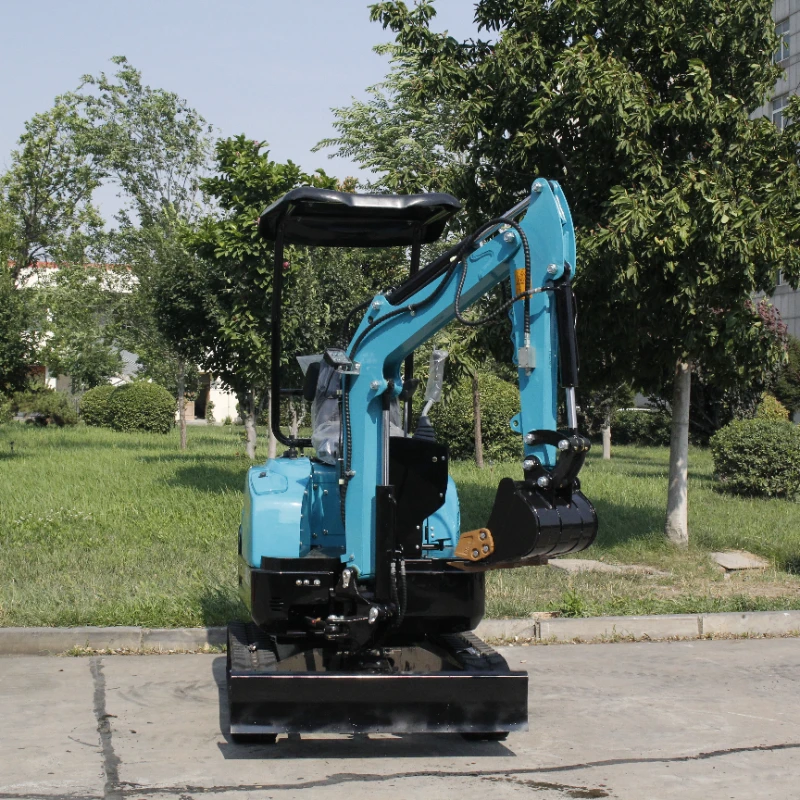
A track has several partners in the undercarriage. The idler guides it at one end, the sprocket drives it at the other, and rollers support it along the way. Check for damaged rubber or guide lugs, unusual wear, trapped debris, a binding roller or visibly damaged sprocket teeth. Compare both sides rather than judging one part in isolation. Caterpillar includes track condition, debris, leaks and undercarriage wear in its mini-excavator inspection guidance.
| What you see | Where to look first | What to do next |
|---|---|---|
| The same track repeatedly comes off | Tensioner, idler, rollers and guides on that side | Compare both sides and request an undercarriage inspection |
| It comes off during turns | Tension, packed debris and uneven guide wear | Clean the undercarriage and measure tension as the manual directs |
| It loosens shortly after adjustment | Tensioning mechanism and surrounding parts | Stop repeated adjustment and have the mechanism checked |
| It runs out of line or a roller will not turn freely | Rollers, idler, sprocket and mountings | Stop using the machine until the cause is identified |
This table helps narrow the search; it cannot diagnose a machine from a distance. More than one fault can produce the same symptom.
Before You Order a New Track
A new rubber track will not fix a worn idler or a faulty tensioner. Before ordering parts, collect the excavator model and serial number, the markings on the old track, photos of both sides of the undercarriage and a short note explaining when the track comes off. Send those details to the parts supplier and ask them to confirm both track fit and whether another component should be inspected.
That small amount of preparation matters to contractors, dealers and rental fleets. Ordering the right part is useful; finding the cause before the new part suffers the same failure is better. For broader daily checks, see ACE’s excavator maintenance guide. Buyers comparing machines can also explore the mini excavator range.
Frequently Asked Questions
Can I keep working after putting the track back on?
Only after checking why it came off. If the problem repeats, the track runs out of line or a component appears damaged, stop and arrange an inspection.
Is a loose track always the reason it comes off?
No. Tension is an important first check, but debris, track damage and worn or misaligned undercarriage parts may also be involved.
What is the correct rubber-track tension for my mini excavator?
Use the measurement point, procedure and allowable range in the manual for your exact model and track configuration. Do not copy a number from another machine.
If you need help identifying parts for an ACE excavator, contact ACE Machinery with the model, serial number, track markings, photos and a description of the fault. Those details give the support team something useful to work with, instead of the rather mysterious report that “the track did it again.”