
Mini Excavator Weight Guide: Classes, Specs & Uses (2026 Edition)
When people search for mini excavator weight, they are usually trying to solve real problems such as transport, access, or jobsite efficiency. Weight is not just a number; it affects how the machine performs, how easily it moves, and whether it fits the job. A machine that is too heavy complicates transport, while one that is too light reduces productivity.
If you browse machines from ACE Machinery, the specifications may look similar at first glance. However, once you use them on site, the difference between a 1.8-ton and a 3.5-ton machine becomes obvious. That gap often determines whether the job runs smoothly or becomes inefficient.
Mini Excavator Weight: How Much Does a Mini Excavator Weigh?
A typical mini excavator weighs between 0.8 tons and 10 tons. However, the real question is not the static weight but how the machine behaves during operation. Attachments such as breakers or augers change balance and working stability, which directly affects performance.
For example, a compact model from ACE Machinery may feel stable with a standard bucket, but once heavier attachments are installed, the machine responds differently. That is why experienced operators focus on working weight rather than catalogue figures.
Mini Excavator Weight Classes Explained
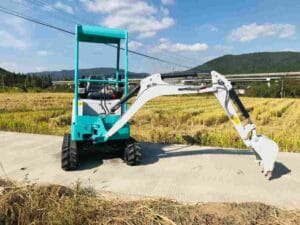
Mini excavator weight classes describe how machines behave, not just how heavy they are. Machines under 1.5 tons work well in tight spaces but lack digging power. They suit landscaping and indoor tasks where access matters more than force.
Machines in the 2 to 3 ton range offer a balanced solution. Many models from ACE Machinery fall into this category because they combine transport flexibility with sufficient power for most jobs. This class remains the most popular globally.
Once machines exceed 3 tons, stability and digging force increase significantly. At 6 tons and above, productivity becomes the main goal, and transport planning becomes necessary rather than optional.
Mini Excavator Size Chart: Weight vs Real Constraints
A mini excavator size chart becomes useful only when linked to real conditions. Weight, width, and height must be considered together. A 1.8-ton machine can pass through narrow gates and work in confined areas, which makes it ideal for residential jobs.
However, a 3.5-ton machine offers better stability but may struggle with access. Machines from ACE Machinery clearly show this trade-off. Increased performance often reduces flexibility, so buyers must balance both factors carefully.
Mini Excavator Dimensions: Small Numbers, Big Impact
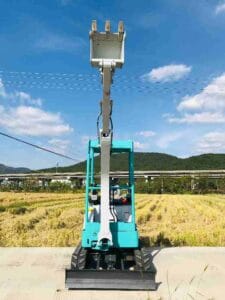
Mini excavator dimensions often decide whether a machine can operate on site. Width controls access, height affects transport, and tail swing determines safety. These factors matter more than most buyers expect.
Modern designs from ACE Machinery often include reduced tail swing, which allows safer operation in tight spaces. This feature prevents collisions and improves efficiency in urban environments.
What Size Mini Excavator Do I Need?
To answer what size mini excavator do I need, start with job conditions. For landscaping and light work, machines between 1.8 and 2.5 tons provide flexibility and easy transport. They handle most residential tasks efficiently.
For trenching or foundation work, a 3.5-ton machine offers better stability and faster digging. Models from ACE Machinery in this range often deliver the best balance between performance and usability.
Mini Excavator Trailer: Transport Defines the Limit
A mini excavator trailer plays a critical role in daily operations. Transport is not just about moving the machine; it requires matching trailer capacity, towing limits, and total weight.
Machines under 3 tons are easier to transport and fit standard setups. Heavier machines require stronger trailers and better planning. This is why many buyers choose mid-weight machines instead of larger ones.
Mini Excavator for Sale: Why Mid-Size Machines Dominate
Search trends for mini excavator for sale show strong demand for 1.8 to 3.5 ton machines. These models offer a practical balance between power, transport, and cost. They suit most contractors and job types.
Machines from ACE Machinery in this range remain popular because they adapt well to different projects without requiring complex logistics.
Engineering Insight: The Cost of Wrong Weight Choice
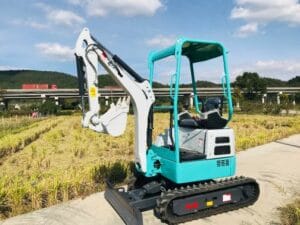
Choosing the wrong weight class creates real problems. A machine that is too heavy increases fuel use and transport costs. A machine that is too light reduces efficiency and extends project time.
In both cases, the issue comes from incorrect selection rather than machine quality. Matching weight to job requirements improves efficiency and reduces long-term cost.
Final Thought: Weight Is a Strategy
Mini excavator weight affects every part of operation, from access to productivity. It is not just a specification but a decision factor that shapes the entire workflow.
By comparing real machines from ACE Machinery, buyers can understand how weight influences performance. The right choice makes work smoother, safer, and more efficient.