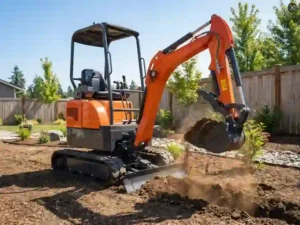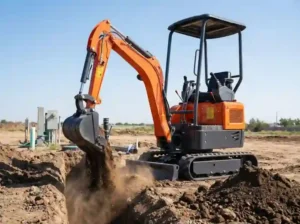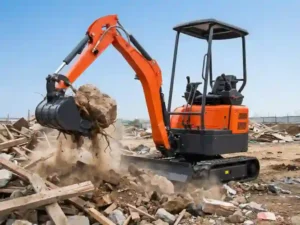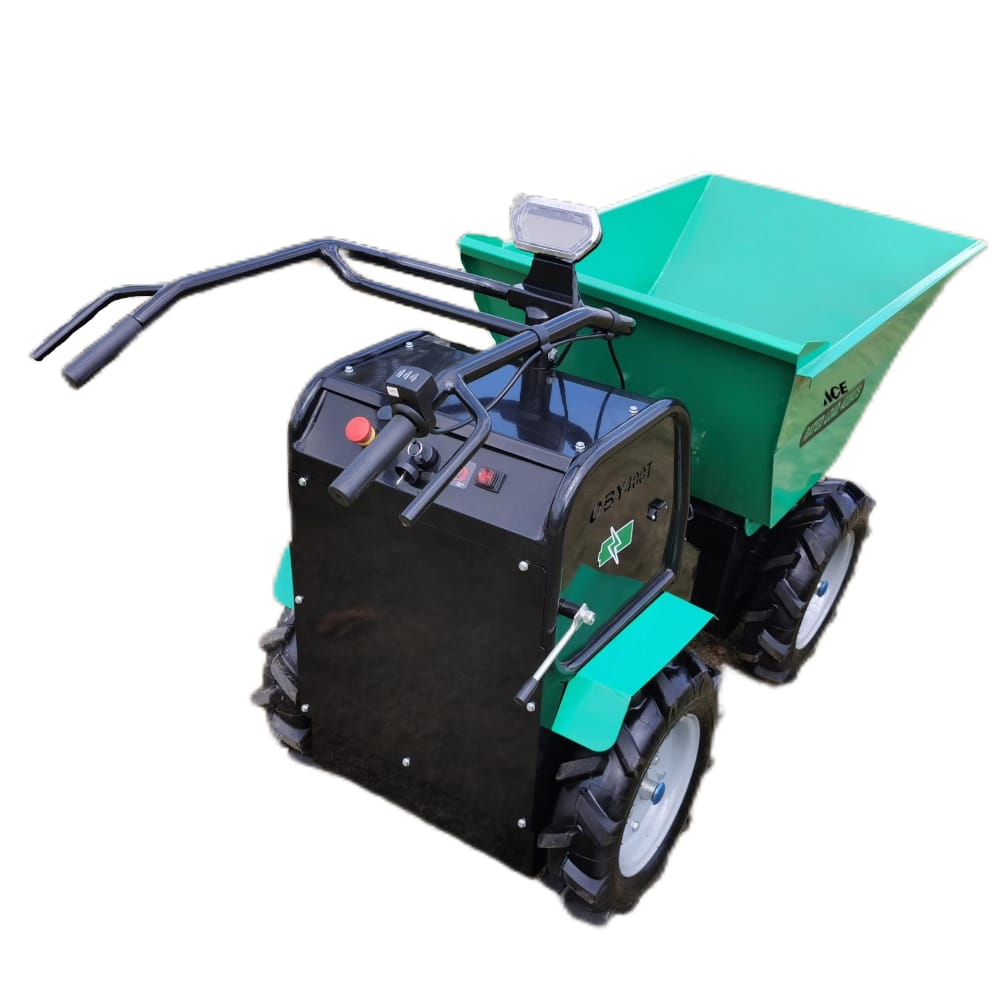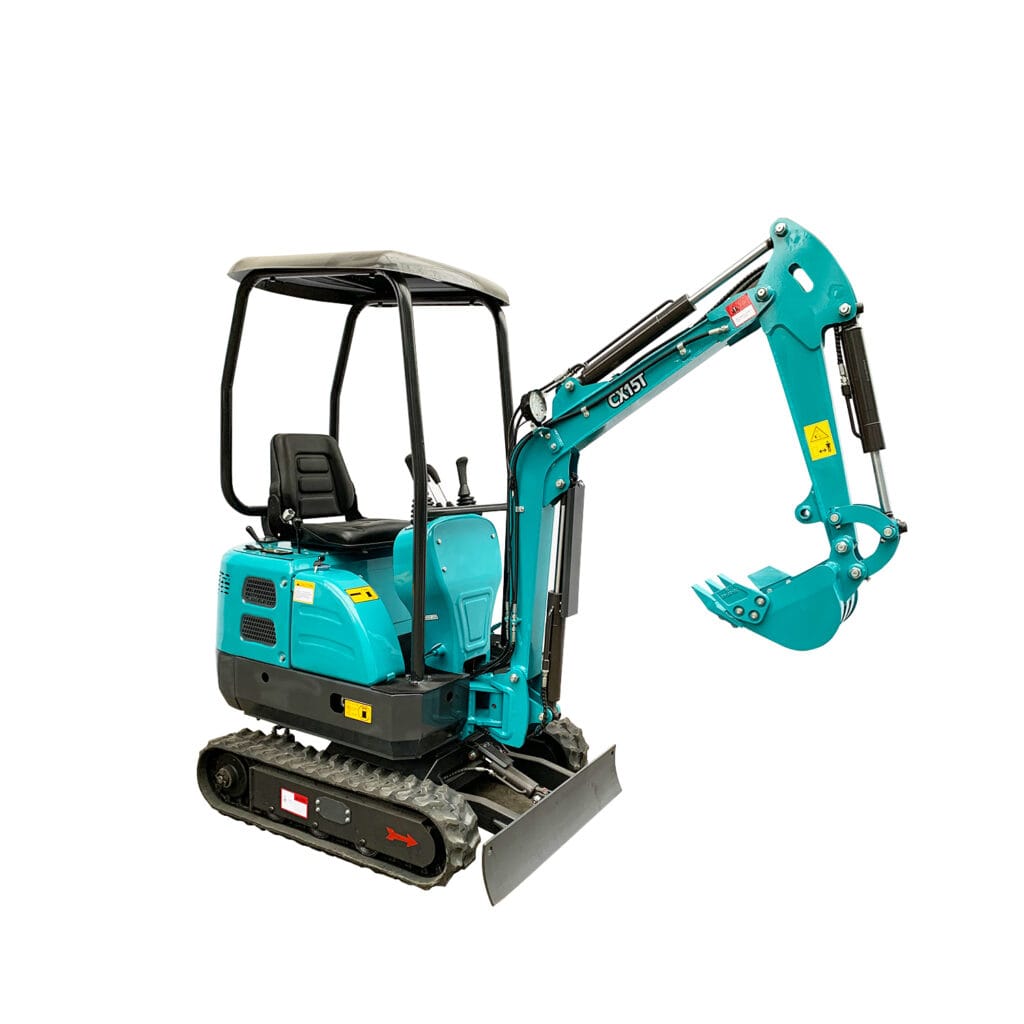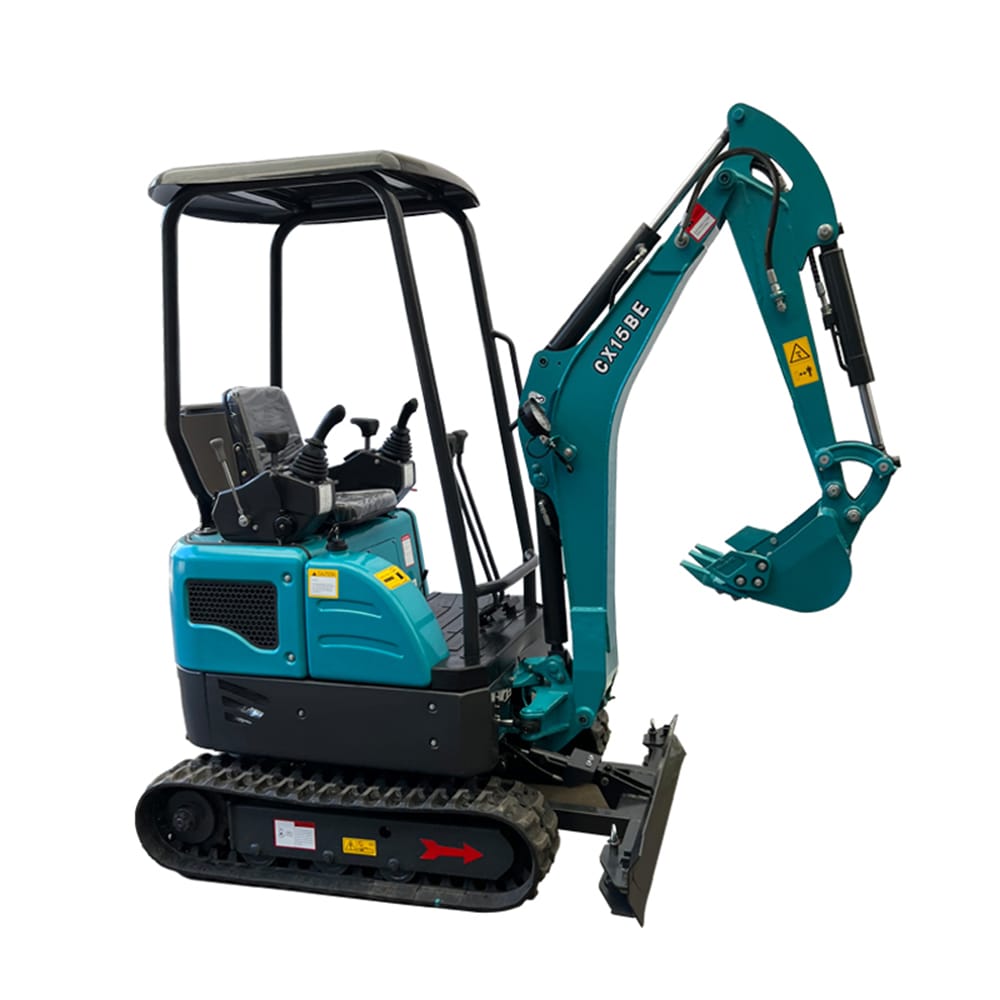
You may ask if a mini excavator is right for you. Many homeowners like these machines. They are small and easy to move. They do not cost too much. They can do many jobs. With ace machinery, you can dig holes. You can grade land. You can clear brush. You can remove stumps. You do not get tired easily. People use mini excavators for garden beds. They use them for digging trenches. They also make paths with them.
- Digging for gardens or ponds
- Grading for patios or lawns
- Clearing brush and removing stumps
- Installing drainage or irrigation trenches
It is easy to use one. You can learn even if you are new.

Is a Mini Excavator Right for Your Project
Benefits for Homeowners
You want your landscaping project to go smoothly. A mini excavator can help you finish tasks faster and with less effort. You do not need to spend hours digging by hand or moving heavy soil. You save your energy for the fun parts of your project. Renting a mini excavator can change the way you work in your yard. You get more done in less time. You also save money compared to hiring a professional crew. If you plan to tackle several projects, owning your own machine can pay off over time.
Tip: Mini excavators are pocket-friendly for small jobs. You can use one machine for many tasks, so you do not need extra equipment.
Ideal Landscaping Tasks
You can use a mini excavator for many outdoor jobs. Here are some common tasks you can handle:
- Digging trenches for irrigation or drainage
- Grading and leveling soil for patios or lawns
- Removing stumps and clearing brush
- Building garden beds or ponds
- Placing rocks or edging for paths
You get versatility with different attachments. Quick-coupler technology lets you switch tools fast. You do not waste time changing equipment.
Here is a table to help you decide if a mini excavator fits your project:
| Factor | Description |
|---|---|
| Project Type | Compact designs work best for residential jobs. |
| Terrain | Tough ground needs durable tracks and good maneuverability. |
| Size and Weight | Smaller machines fit tight spaces and are easier to move. |
| Engine Power | More power helps with tough soil and bigger tasks. |
| Digging Depth | Deeper digging is needed for trenches and ponds. |
| Reach | Longer reach helps in hard-to-access spots. |
| Attachment Options | More attachments mean more ways to use your machine. |
Working in Tight Spaces
You may have a small yard or live in a city. A mini excavator works well in these places. Its compact size lets you move through garden gates or between buildings. Zero tail swing means you can work close to walls or fences without worry. Lightweight design protects your lawn and makes transport easy. You get good visibility and simple controls, so you feel confident even in tight spots.
- Mini excavators fit where bigger machines cannot.
- You can work in confined areas, like between houses or near fences.
- Maneuverability and low noise make them perfect for urban settings.
- You set up quickly and avoid blocking driveways or streets.
You get the job done with less hassle and more control.
Choosing Your Mini Excavator
Size and Power
You need to pick the right mini excavator. First, think about your project size. Also, look at the ground in your yard. Choose a machine that fits your space. Make sure it can do the job you want. If your garden is small, use a compact model. Bigger jobs or hard soil need more power. Heavy machines stay steady when digging deep. They can lift heavy things. These machines also use more attachments. This gives you more ways to work.
Here’s a quick table to help you choose:
| Criteria | Description |
|---|---|
| Job Site Conditions | Match the excavator size to your yard and terrain. |
| Lifting & Digging Requirements | Choose enough power for trenching and digging. |
| Hydraulic Attachments Compatibility | Make sure your machine works with the tools you need. |
| Fuel Efficiency & Cost | Look for models that save fuel and money. |
| Transportation & Accessibility | Pick a machine that’s easy to move and fits your space. |
Attachments and Features
Attachments make your mini excavator very useful. You can change buckets for digging. Use grading buckets to smooth out soil. Rippers break up hard ground. Trenching buckets help lay pipes or cables. Hydraulic thumbs and grapple claws move rocks or logs. Quick couplers let you switch tools fast. You spend less time getting ready.
Ningbo ACE Machinery Co., Ltd. has many mini excavators. Their machines have strong steel frames. They use powerful engines and precise hydraulics. These machines work with many attachments. You get flexibility for any landscaping job. ACE checks quality carefully. They have 29 years of experience. You get equipment that lasts and works well.
Mini Excavator Tasks for Landscaping
Digging and Trenching
You want to dig a trench for a garden bed or lay pipes for irrigation. A mini excavator makes this job much easier than using a shovel. You can finish digging in less time and save your energy for planting. The machine moves smoothly in tight spaces, so you can work near fences or between trees.
You get more done with less effort. The machine lets you switch attachments, so you can dig, trench, or scoop soil without stopping. You save money because you do not need extra equipment. You also avoid sore muscles and long days in the yard.

Leveling the ground, improving the plasticity of the ground
You want a smooth surface for a patio, lawn, or walkway. Grading and leveling can be tricky if you use hand tools. A mini excavator helps you shape the land and get a flat finish. You control the grading beam and set it to the right height. This keeps the soil even and prevents bumps.
Try these steps for better grading:
- Set the grading beam to the height you want. This helps you keep steady pressure.
- Work in small sections. You avoid piles of soil and get a smooth look.
- Push down gently to compact the soil. This makes the ground stable.
- Keep the grading beam level. You do not want gouges or dips.
You can use the machine to move dirt, gravel, or sand. You get a clean finish for patios or driveways. The controls let you adjust the angle and pressure, so you get the look you want.
Removing Stumps and Clearing
Old stumps and brush can make your yard look messy. You want to clear them out before you plant or build. A mini excavator gives you the power to dig out stumps and move debris. You can change attachments fast, so you switch from digging to grabbing logs or rocks.
Here are some reasons why mini excavators work well for clearing:
- You get precision digging in tight spaces.
- You can use different attachments for stumps, rocks, or brush.
- The machine works fast and saves you time.
- You can clear small areas without damaging your lawn.

If you have many stumps, you can use a special attachment called a tree stumper. This tool helps you pull out roots and break up tough ground. You finish the job faster than with a shovel or grinder.
In summary
You can make landscaping jobs easier with a mini excavator. These machines help you work faster and finish hard tasks. You can dig, grade, and clear land with less effort. You get good results, even if you have not used equipment before. Mini excavators are easy to use and fit in small spaces.
tags:mini excavator;skid steer loader;mini dump truck;backhoe loader.
FAQ
How hard is it to learn to use a mini excavator?
You can learn basic controls in a few hours. Most rental shops offer quick training. Practice in an open area first. Watch online videos for extra tips. You will feel confident after a little practice.
Can I use a mini excavator on wet or muddy ground?
You can use a mini excavator on wet ground, but you need to go slow. Tracks give good grip. Avoid deep mud or steep slopes. Check the ground before you start. Wet soil may stick to the bucket.
What attachments do I need for landscaping?
You need a digging bucket for trenches. Use a grading bucket for leveling. A hydraulic thumb helps move rocks or logs. Ask your rental shop for advice. Choose attachments based on your project.
Do I need a permit to use a mini excavator at home?
You may need a permit for digging or large projects. Check with your city or county office. Call before you dig to mark underground utilities. Rules change by location.