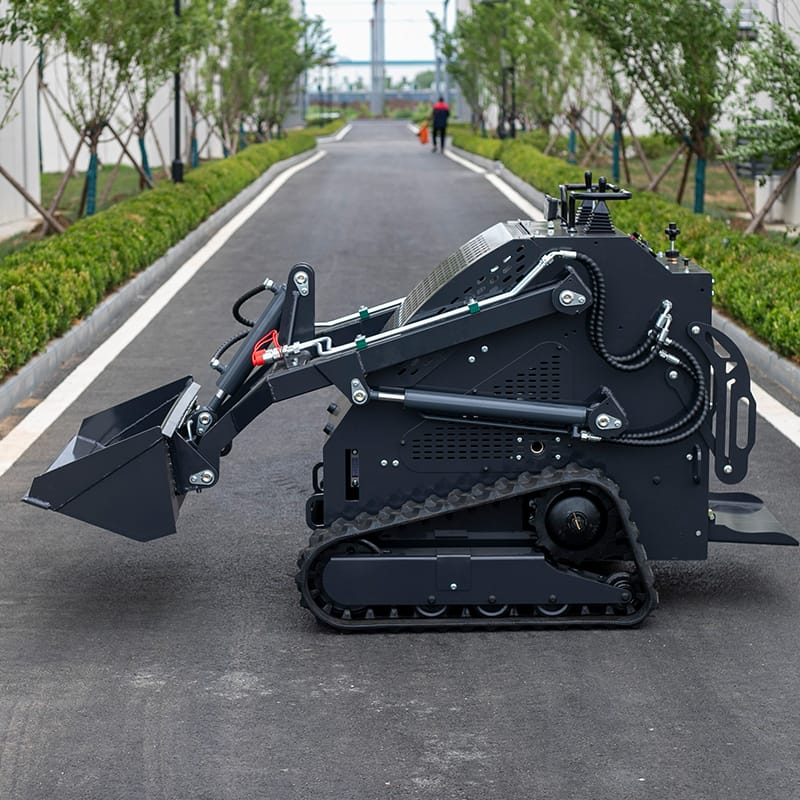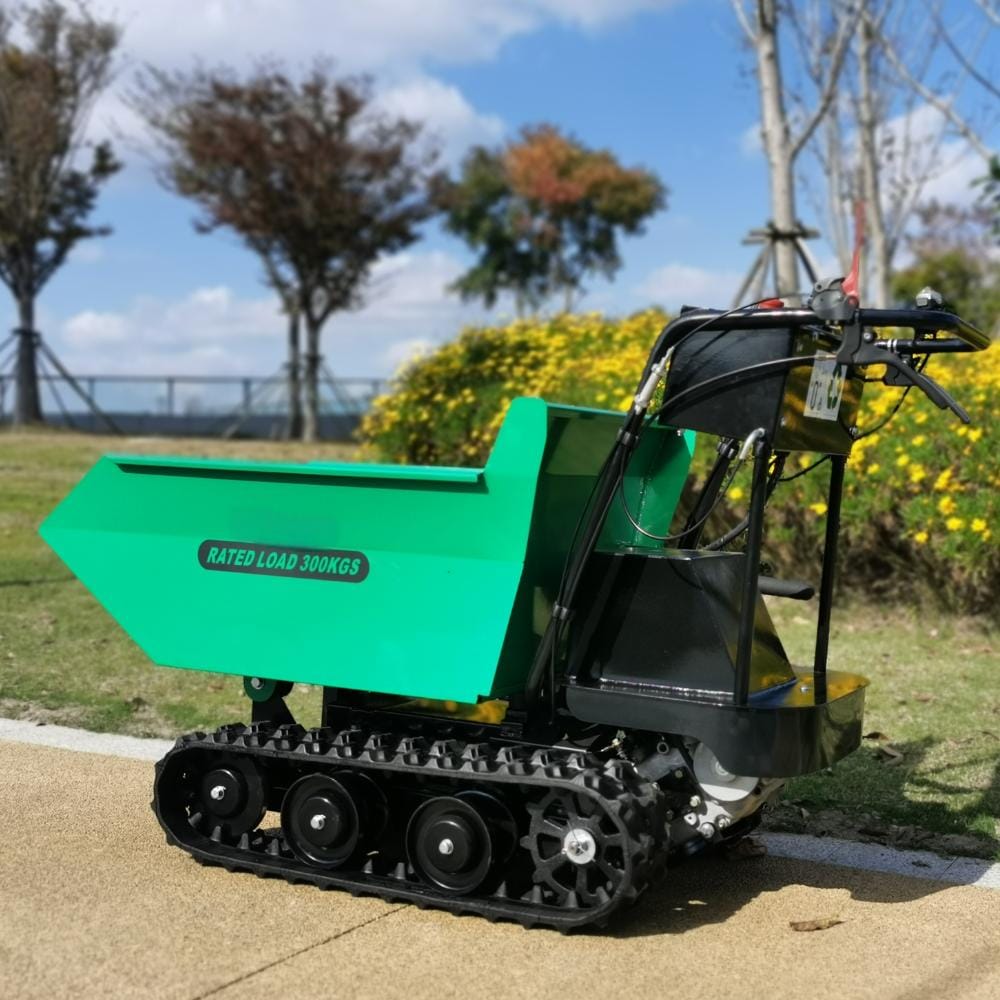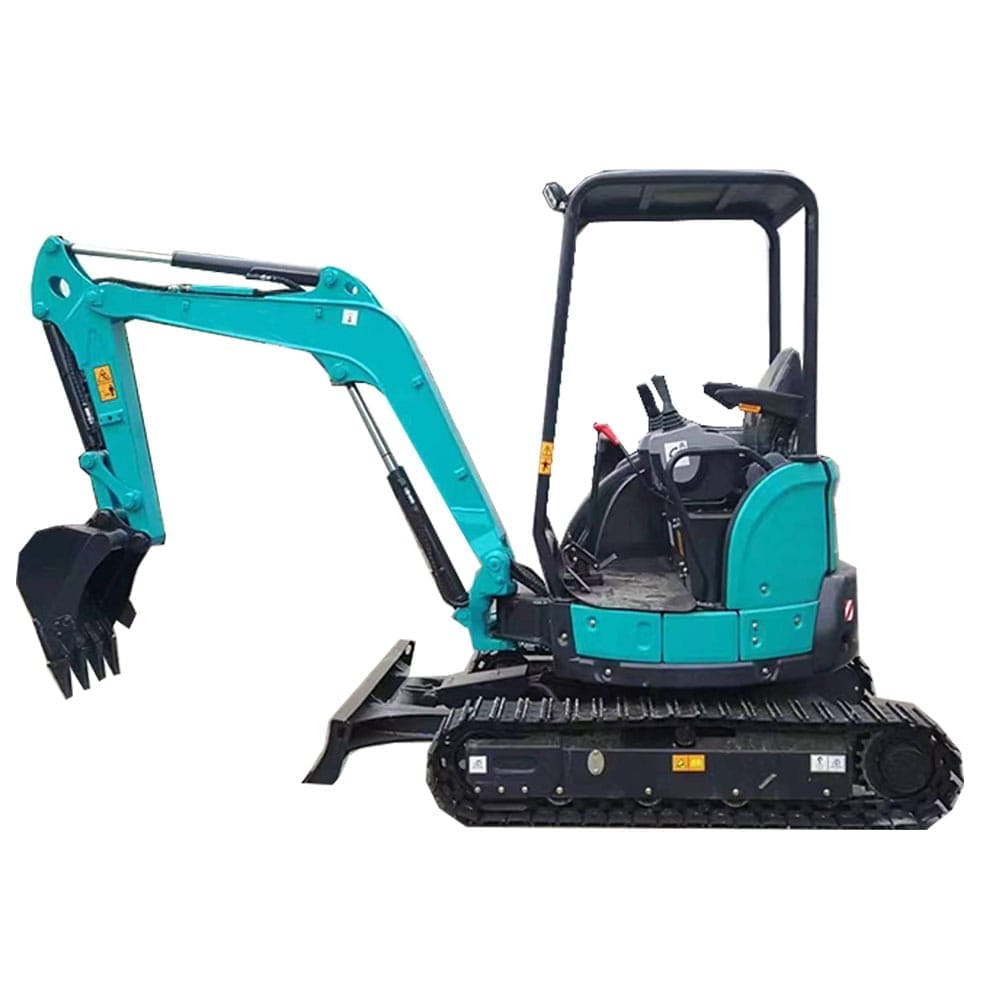

ACE Machinery’s modern mini excavator series is designed to be compact, reliable, and highly efficient. Each model can complete digging tasks quickly and safely, while supporting a wide range of mini excavator attachments to increase productivity. With track-driven mobility, the machines move easily through tight areas without damaging the ground.
Whether the requirement is zero tailswing or traditional tailswing, and up to a mini excavator weight of 3 tons, ACE provides suitable solutions. Every ACE mini excavator combines performance, durability, and advanced technology, making it suitable for both indoor and outdoor applications.
CX12-6: Agility and Quiet Operation for Extremely Tight Spaces
The CX12-6 is created for very narrow working environments. Powered by a Kubota D722-EF18-CN14 water-cooled diesel engine, it delivers 7.6 kW with a 719 cc displacement. Weighing just 1.12 tons, this compact machine can easily move through standard doorways and navigate indoor areas, small courtyards, and other limited-access locations. It serves well in urban upgrades, landscaping, and light construction.
Its Kubota Stage V engine provides low emissions and ultra-quiet performance, helping reduce disturbance in residential areas. A fully opening engine hood makes daily maintenance simple, while protected hydraulic lines lower the risk of accidental damage. The model also features a Kubota anti-theft system and hydraulic safety locks for equipment and operator protection.
The CX12-6 brings efficient performance to the smallest spaces as a dependable ACE hydraulic mini excavator.
CX15BE: Flexibility and Stability for Narrow and Complex Jobsites
The CX15BE is designed for more complex small- and medium-sized tasks. Using a Kubota D902 engine, it delivers 11.8 kW and 898 cc of stable power output. Its zero-tailswing design allows smooth rotation even when working close to walls, fences, or barriers, making it ideal for confined construction environments.
A key advantage is the hydraulically retractable undercarriage, which adjusts from 990 mm to 1300 mm. This flexibility allows the machine to pass through tight gaps when narrow and achieve maximum stability when expanded. The top-mounted boom cylinder helps protect the component from front impacts, increasing overall durability.
Open maintenance access and centralized lubrication points make service tasks straightforward. The CX15BE is built to handle varied terrain while balancing efficiency and control.
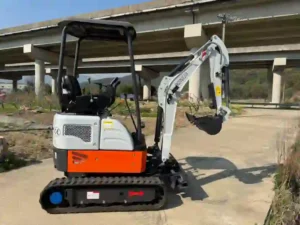
CX18: Higher Productivity for Medium-Sized Engineering Work
The CX18 is designed for projects requiring higher output and enhanced operator experience. It has two engine options: Yanmar or Kubota. Both provide a maximum power of 14.6 kW. This ensures strong and steady performance, even with heavy workloads.
Its advanced hydraulic system includes variable displacement and intelligent flow distribution, supported by hydraulic pilot control. These features deliver smooth, precise movement and improved multitasking capability. Dual-speed travel enables quick movement across sites and steady control for detailed operations, even on uneven surfaces.
A spacious cab and ergonomic design reduce operator fatigue during long working hours. The CX18 has strong power and precise control. It sets a new standard for efficiency among mini excavators.
Summary
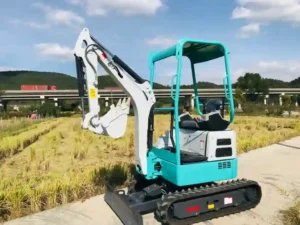
There is no clear best or worst model among the three. The important thing is to match them to the work situation. I hope this article helps you avoid common mistakes. It will guide you in choosing the best “powerful assistant” for your needs.
FAQ
1. How much does a mini excavator weigh?
Mini excavators generally weigh between 1 ton and 8 tons, depending on the model, engine power, and configuration. Compact units designed for small residential tasks are on the lighter end, while more robust models used for construction and infrastructure projects fall on the heavier side.
2. How much can a mini excavator lift?
A mini excavator’s lifting capacity varies widely by size class, but most models can lift 200 kg to over 1,500 kg at close range. The actual lifting capacity depends on the boom length, hydraulic performance, and the stability provided by the machine’s track width and counterweight.
3. How deep can a mini excavator dig?
Typical digging depth ranges from 1.8 meters to 4 meters. Smaller units are suitable for shallow trenching and landscaping, while larger compact excavators can meet the requirements of utility installation, foundation preparation, or road maintenance.
4. How to put a track back on a mini excavator?
To reinstall a track on a mini excavator:
Raise the side of the machine using the boom or blade.
Release grease from the track adjuster to reduce tension.
Align the track with the sprocket and idler.
Use slow movements of the machine or pry bars to guide the track onto the rollers.
Re-tighten the track adjuster with grease until proper tension is restored.
This procedure should be performed carefully to avoid damage or injury.
5. How to pick a mini excavator?
Selecting a suitable mini excavator requires considering:
Working environment: indoor, outdoor, tight spaces, or open areas.
Operating weight: match to load requirements and site stability.
Digging depth and reach: ensure the machine meets project specifications.
Hydraulic flow: important for attachments such as breakers or augers.
After-sales support: availability of spare parts, training, and maintenance.
Certification and quality control: essential for long-term performance and compliance.