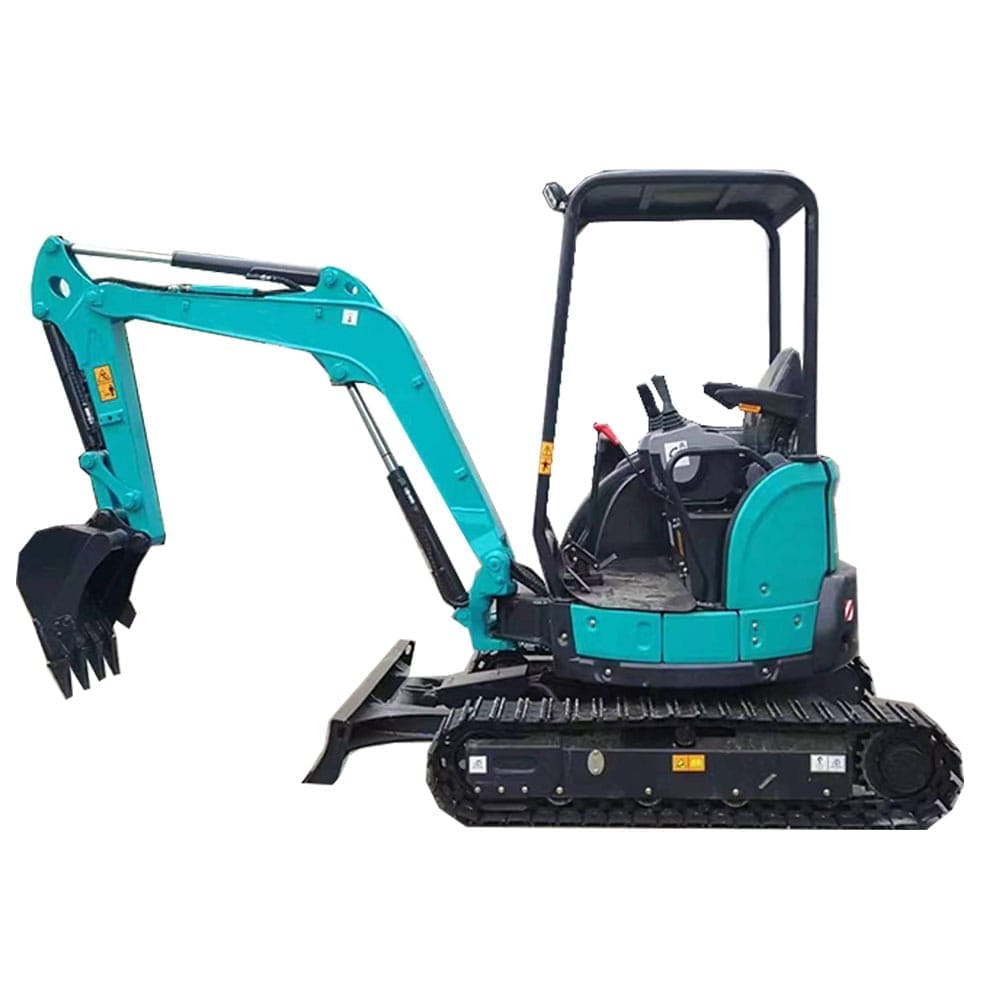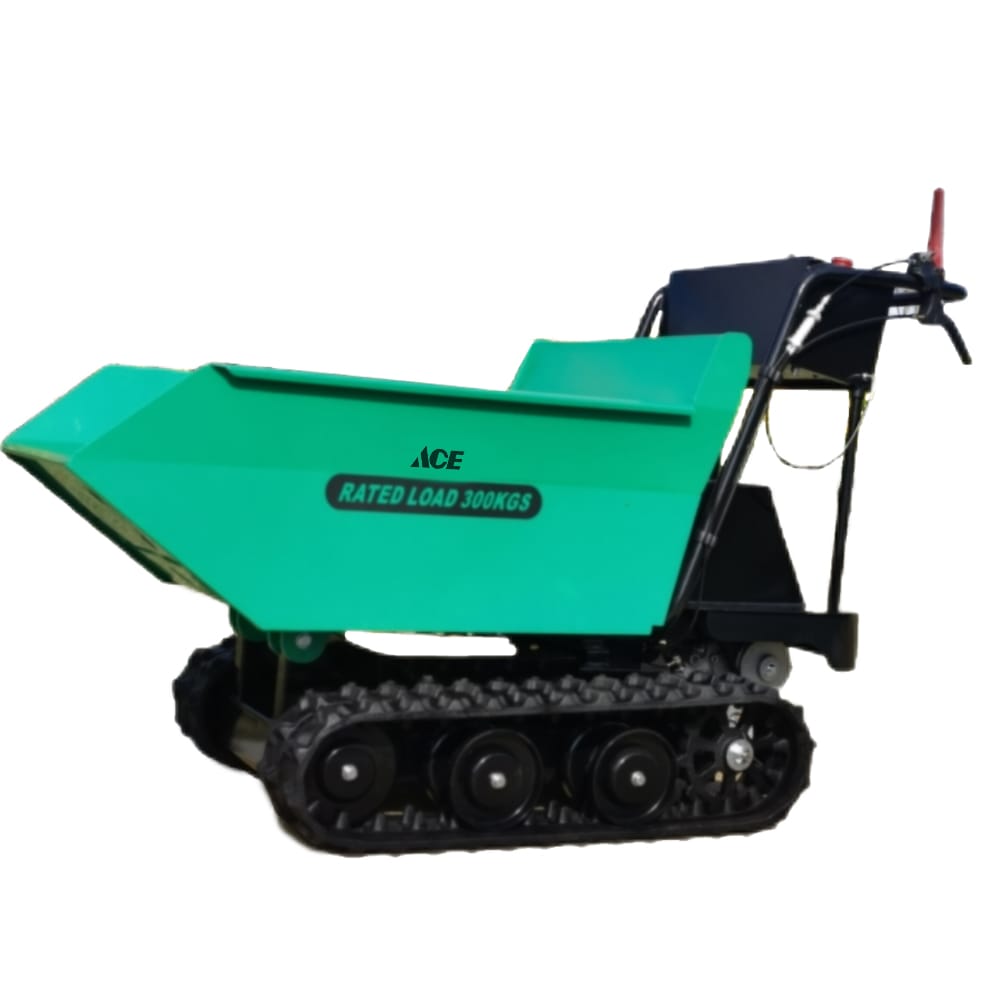

In applications such as small-scale construction, agricultural planting, and municipal maintenance, a flexible, efficient, and durable mini excavator is often key to improving operational efficiency. Ningbo ACE Machinery Co., Ltd.’s CX11B hydraulic mini excavator, with its comprehensive product offering, stands out from its competitors and has become the preferred choice of many users. Today, we’ll take a closer look at the unique features of this popular model.
Core configuration maximizes practicality.
The CX11B, with a total weight of 1,120 kg, exudes a sturdy and reliable appearance. Heavier than its siblings, the CX10T (1,020 kg) and CX11A (1,060 kg), it offers greater stability during operation, especially when excavating in hard soil or using a breaker.
Powered by a Koop KD192F single-cylinder diesel engine with a rated power of 8.6 kW (3,000 rpm) and a displacement of only 0.499 L, it easily handles the excavation needs of small projects. Crucially, the engine features an air-cooled design, eliminating the need for coolant leaks and making maintenance exceptionally hassle-free. It also complies with Euro 5 emission standards, ensuring compliance for both high-end markets like the EU and domestic use within stringent environmental regulations.
The German Continental high-pressure oil pipes, with their dense steel wire reinforcement, are resistant to aging and high-pressure operation, effectively extending the life of the hydraulic system. The aluminum cooler keeps the hydraulic oil temperature stable below 70°C, eliminating the risk of system failure due to excessive oil temperatures, even during continuous operation in hot summer conditions.
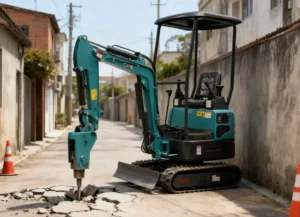
Easy to use for beginners
For many users, ease of operation is a key consideration when choosing a mini excavator, and the CX11B excels in this regard.
It features a pilot-valve control system, significantly reducing force requirements compared to traditional mechanical controls, making long-term operation less tiring. For example, adjusting the bucket angle or rotating the boom requires only a gentle push of the joystick for precise control, with a 30% faster response time than mechanical controls, making it easy for beginners to master the operation. The rotatable boom (50° left/70° right) solves the pain points of working in confined spaces. Whether digging trenches between orchard rows, clearing soil in greenhouses, or working alongside municipal pipelines, the boom can be easily positioned close to the target area with a single swing, eliminating the need for frequent adjustments. This directly increases work efficiency by 25%.
The operator console is also designed with user-friendly details: a simple and intuitive layout clearly distinguishes key components such as the throttle handle, left and right control levers, and hydraulic locks. An automotive-grade visual instrument panel provides a clear overview of information such as fuel level, operating hours, and fault indications. Daily maintenance is also convenient, with simplified procedures for checking the oil level and replacing filters, allowing users to perform basic maintenance themselves without the need for a professional technician.
One machine replaces many.
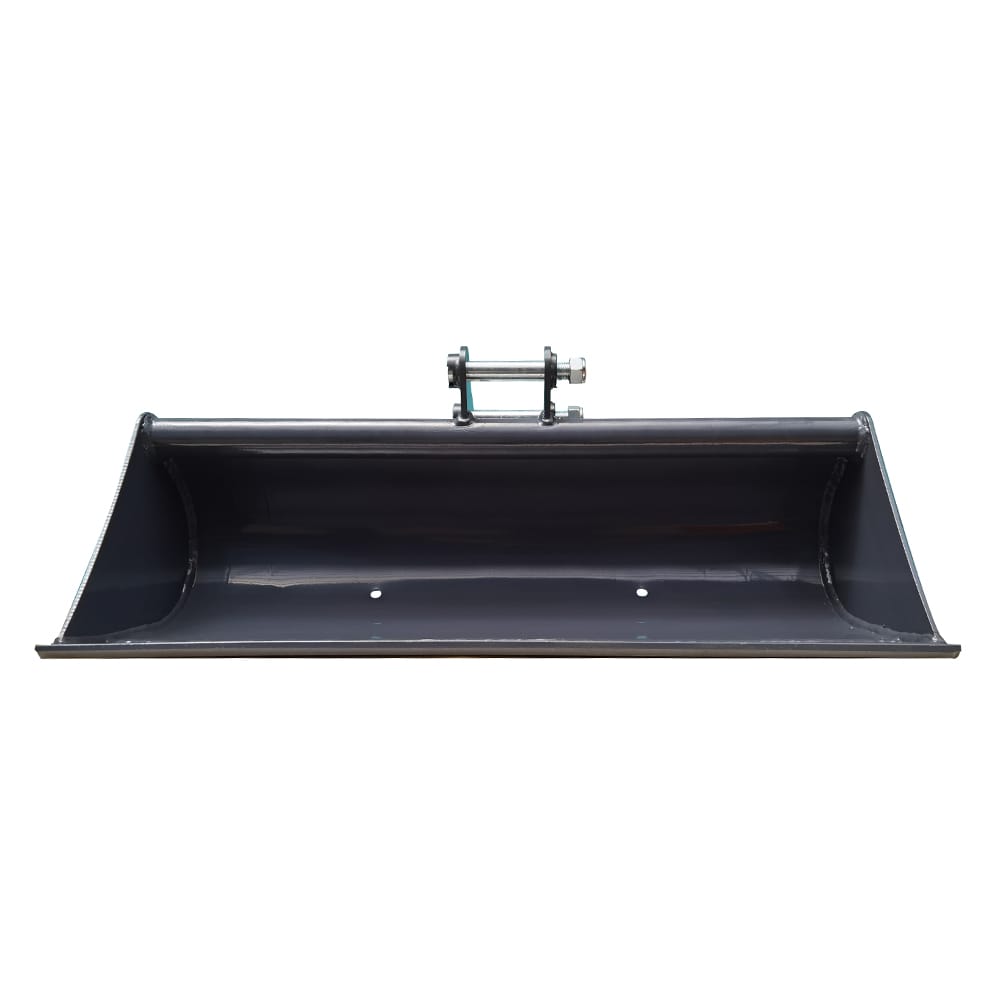
The CX11B’s multi-functional integration perfectly solves the problem of idle equipment on small projects. Like a “Transformer,” it can switch between different attachments as needed, easily covering a variety of work scenarios. The standard 0.025m³ bucket and dozer blade can simultaneously perform excavation, leveling, and bulldozing operations. For example, when renovating a garden, first dig the foundation pit and then use the dozer blade to level the site, eliminating the need for a separate loader. To expand functionality, accessories such as a breaker (for breaking concrete and rock), a grapple (for grabbing wood and straw), an auger (for drilling tree pits and piles), and a ripper (for loosening hard soil) can be added. Quick connectors enable instant switching, reducing equipment replacement costs. This single machine can handle four major applications: orchards, farmland, municipal administration, and residential applications.
Even more noteworthy is its flexibility: With a width of only 930mm, it easily fits through garden gates, greenhouse entrances, and narrow alleyways. The low ground pressure of the crawler tracks prevents damage when working on lawns and hardened roads. Transport is also convenient. Weighing only 1.12 tons, it can be towed by a small trailer, eliminating the need for large flatbed trucks for relocation, significantly reducing costs.
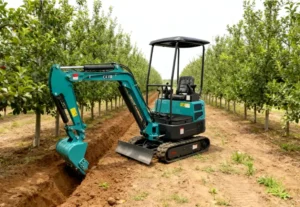
Why choose the CX11B over others?
More versatile than models in the same series (CX10T/CX11A).
Compared to the CX10T: The CX10T has a fixed boom, which limits its use in confined spaces. The CX11B’s rotatable boom and pilot control offer superior flexibility and efficiency.
Compared to the CX11A: The CX11A’s mechanical control system is labor-intensive and slow for beginners to master. The CX11B’s pilot control system is easier to use and boasts an original, patented design, making it more recognizable.
More cost-effective than competitors in the same class.
In the 1.1-1.2-ton mini excavator class, most competitors either only have pilot control without a rotating boom, or have a rotating boom but mechanical control. The CX11B offers both as standard, and also includes high-end features like German-branded oil pipes and an aluminum cooler. These are often optional features in similarly priced models, but the CX11B offers them all, eliminating the need for additional upgrades later.
More flexible than larger models (CX15B/CX20).
Larger excavators (such as the 1.5-ton CX15B and 2-ton CX20) offer greater power, but their width and weight make them difficult to fit into confined spaces, and their transportation costs are high. The CX11B, on the other hand, is optimized for smaller applications, offering fuel consumption as low as 2.5L/h, extended maintenance intervals, and more affordable parts. It’s ideal for budget-conscious users with medium workloads.
Who should choose the CX11B?
If you’re an orchardist or greenhouse farmer who needs to work efficiently in confined spaces; if you’re a municipal maintenance worker who frequently handles small-scale projects like pipes and alleyways; if you’re a renovator or gardener who needs a flexible and versatile machine—then the CX11B is a truly cost-effective choice.
When choosing equipment for small projects, the key is adaptability—and the CX11B is undoubtedly the ideal partner for these applications.
FAQ:
Which operating scenarios is the CX11B more suitable for?
The CX11B core is suitable for small-scale civil, agricultural, and municipal applications, such as garden renovation, orchard trenching, greenhouse soil cleaning, and municipal narrow alley pipeline maintenance. With a width of only 930mm and a tail swing radius of 780mm, the CX11B can be used with some accessories removed for indoor spaces with a height of 2.6m or greater and aisle width of 1m or greater. However, the on-site load capacity (1120kg for the entire machine) must be confirmed in advance.
How to deal with sudden hydraulic system leakage during operation?
The machine must be shut down immediately and emergency measures must be taken:
① Turn off the engine and remove the key to prevent misoperation;
② Wipe the leak point with a rag to determine the leak location (such as the oil pipe joint, hydraulic valve). If the joint is loose, tighten it with a wrench (this operation must be performed when the machine is cold to avoid burns from high-temperature hydraulic oil);
③ If the leak is serious (such as a ruptured oil pipe), it must be temporarily replaced with a spare oil pipe (it is recommended to carry 1-2 commonly used oil pipes on board). It is prohibited to continue operating if the leak is not handled. Otherwise, the hydraulic system pressure may drop suddenly, causing safety accidents such as the boom falling. After handling, you need to contact after-sales service to check the sealing of the hydraulic system.
What protective equipment do operators need to wear during operations?
Required protective equipment:
① Safety helmet (to prevent head injuries from falling objects or accidental detachment of machine parts);
② Non-slip work shoes (the soles must have non-slip grooves to prevent slipping on the tracks or work surface);
③ Protective gloves (to reduce friction when operating the joystick and prevent burns from hydraulic oil leaks).
What is the difference between pilot valve control and traditional mechanical control?
The core differences lie in “control accuracy” and “fatigue”: the pilot valve controls the action through hydraulic signals, and the joystick force required is only 1/3 of that of mechanical control, and the action response speed is 30% faster, and the hands will not get sore easily after working continuously for 2 hours; mechanical control relies on mechanical linkages, which requires a lot of force and is prone to fatigue during long-term operation.