
Why Skid Steer Hard Starting? Find the Real Cause Before You Replace Good Parts
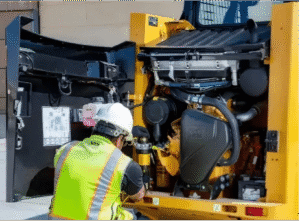
A skid steer that is hard to start is not always “seriously broken”. Quite often, it is simply telling you that one part of the starting chain is getting weak. The trouble is that diesel machines do not complain politely. They do not send a warning email. They just crank longer, smoke a little, refuse to fire cleanly, and make you wonder whether the problem is the battery, the fuel, the glow plugs, or something more expensive.
That is exactly why so many operators search why skid steer hard starting. They want one clear answer. But in real workshop life, hard starting is usually not caused by one dramatic fault. It is more often caused by one small issue that turns into a bigger annoyance when the weather gets cold, the machine sits for too long, or the fuel system loses pressure overnight.
The good news is that most skid steer hard starting problems follow a pattern. If you understand that pattern, you can diagnose the machine faster, avoid changing parts that are still fine, and get much closer to the real cause without turning the repair into a guessing game.
Hard Starting Is Usually a System Problem, Not a Mystery
A diesel skid steer needs a few things to happen at the same time before it starts properly. It needs enough cranking speed, clean fuel, stable fuel supply, enough heat for combustion, and an engine that still has decent compression. If one of those pieces becomes weak, starting gets harder. If two of them become weak at the same time, the machine can feel stubborn enough to test your patience before breakfast.
That is why a machine may crank but take too long to start, or start roughly and then clear itself after a few seconds. In some cases, it may start better later in the day, then become difficult again the next cold morning. When that happens, the machine is not being dramatic. It is giving clues. You just need to read them in the right order.
Start With the Symptom, Not With Random Parts
Before you touch anything, pay attention to how the machine behaves. That first behaviour often tells you where to look.
If the skid steer cranks slowly, the electrical system deserves attention first. If it cranks normally but takes a long time to fire, the fuel system is a stronger suspect. If it is much worse in winter or early morning, then cold-start support becomes more important. If it starts with white smoke and rough running, combustion quality may be poor during startup. If it is hardest to start after sitting overnight, then fuel drain-back or air in the line becomes very likely.
This step matters because many parts can create similar symptoms. A weak battery, a clogged fuel filter, and glow plug failure can all lead to hard starting. But they do not fail in the same way, and they do not leave the same clues behind.
Fuel System Problems Cause More Hard Starts Than People Expect
If your skid steer is hard to start after sitting, the fuel system is one of the first places to check. In real use, fuel-related faults are very common because diesel engines depend on stable delivery during cranking. If fuel pressure is slow to build, or if air gets into the line, the engine may crank and crank before it finally decides to cooperate.
Air in Fuel Line Skid Steer Symptoms
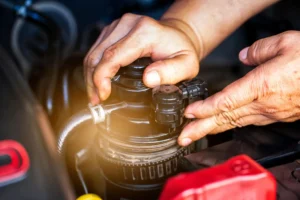
Air in the fuel line is a classic cause of long cranking. It often shows up after the machine has been parked for several hours, especially overnight. The engine may fire unevenly, struggle for a few seconds, or start and then almost die before smoothing out.
This usually happens because the system is pulling air from a loose fitting, a tired seal, a cracked hose, or a filter connection that is not sealing properly. The fuel is supposed to arrive, not bring bubbles to the party. Once air gets in, starting becomes inconsistent and annoying very quickly.
Skid Steer Fuel System Losing Prime
If the machine starts better after manual priming, then the issue may not be the injectors at all. The real problem may be that the skid steer fuel system is losing prime while the machine sits. That means fuel drains back, pressure disappears, and the engine has to rebuild supply every time you try to start.
This kind of problem is easy to overlook because once the machine is running, it may feel almost normal. That tricks many people into chasing the wrong fault. But if the worst starting happens after the machine has been parked, drain-back should move very high on the list.
Clogged Fuel Filter Hard Starting Diesel Loader
A restricted filter can create a similar complaint. The machine may still crank at normal speed, but fuel cannot move fast enough during startup. The result is a long crank, rough firing, and poor starting confidence, especially when temperatures drop.
Dirty fuel, water contamination, and overdue maintenance all make this worse. Sometimes the filter looks innocent from the outside, but internally it is already working harder than the operator on a Monday morning.
Weak Battery and Slow Cranking Can Fool You
A lot of people hear the starter turning and assume the battery is fine. That is where many wrong diagnoses begin. A diesel engine does not just need cranking. It needs enough cranking speed. If the rpm is too low, compression heat drops, voltage may sag, and the engine cannot build the conditions it needs to start cleanly.
Weak Battery Skid Steer Hard Starting
A weak battery skid steer hard starting issue often appears when the machine turns over, but sounds tired while doing it. The crank feels lazy. The starter seems to drag. The machine may start better with a boost, or after charging, or when the weather is warmer.
That does not always mean the battery itself is the only problem. Corroded terminals, poor grounds, damaged cables, or high resistance in the circuit can all steal voltage and create the same complaint. In other words, the battery gets blamed, but sometimes the cables are the real troublemakers.
Starter Motor Problems Skid Steer Diesel
A worn starter can do the same thing. It may still spin, but not with enough strength under load. That makes the engine sound like it is trying, while actually failing to reach proper cranking speed. When fuel checks look normal and voltage at the battery seems acceptable, the starter should not be ignored.
Cold Weather Does Not Cause Every Problem, But It Exposes Them Fast
If your skid steer engine is hard to start cold, winter often reveals what summer was hiding. Cold weather thickens fluids, reduces battery performance, and makes diesel combustion less forgiving. A machine that starts “just okay” in warm weather may become difficult, smoky, and slow to fire once temperatures drop.
Glow Plug Failure Skid Steer Cold Start
When the machine is hardest to start in the morning, glow plug performance becomes important. A glow plug failure skid steer cold start issue often appears as long cranking, rough idle after startup, and white smoke during the first few seconds.
That white smoke is a useful clue. It usually means fuel is present, but combustion is weak because the cylinders are not warm enough yet. The engine is trying to start, but the fire is late to the meeting.
Diesel Skid Steer Hard Starting in Winter
If the machine starts much better after it has already been running, the cold-start system deserves even more attention. Weak glow plugs, poor preheat timing, tired batteries, and restricted fuel flow often work together in winter. That is why cold-weather starting problems often feel worse than they really are. One small weakness becomes visible because the whole system has less margin.
Do Not Forget Airflow and Engine Condition
Fuel and cranking problems explain many cases, but not all of them. If the intake system is restricted, the engine cannot breathe properly during startup. A blocked air filter is simple, but it can still affect combustion quality. It is not always the star of the problem, but it can become a supporting actor that makes everything worse.
Then there is engine condition. If compression is low, starting will usually be harder when the engine is cold. The machine may crank longer, smoke more, and sound rough before it finally settles down. This is where low compression diesel hard starting symptoms start to matter. It is not the first thing to suspect, but once the basics have been checked, it becomes a serious possibility.
A Smarter Way to Diagnose Skid Steer Hard Starting
The best repair process is not “replace the common parts and hope”. The best process is to move from the quickest checks to the deeper checks in the right order.
Step 1: Check Cranking Speed First
If the engine sounds slow, do not jump straight into fuel parts. Check battery condition, cable connections, grounds, and starter performance first. Slow crank can create false clues everywhere else.
Step 2: Check Fuel Quality and Filter Restriction
Make sure the diesel is clean. Drain water if needed. Inspect the filter and replace it if service history is unclear. A restricted filter is cheaper than a wasted weekend of guessing.
Step 3: Check for Air Leaks and Loss of Prime
If the machine is hardest to start after sitting, inspect hose fittings, seals, filter seating, and the supply side for air intrusion. A tiny leak can create a big morning problem.
Step 4: Review the Cold-Start System
If the issue is worse in cold weather, test the glow plug system and preheat operation. Do not blame the whole engine before checking the part designed to help it start cold.
Step 5: Move to Deeper Mechanical Checks
Only after fuel, cranking, and cold-start support are confirmed should you move toward injectors, timing, or compression-related causes. That is where deeper diagnosis becomes worth the time.
Final Thoughts
So, why skid steer hard starting? In most cases, because one small part of the starting process is no longer doing its job properly. It may be the battery, the starter, air in the fuel line, a clogged filter, glow plug failure, or an engine that is beginning to show wear. The trick is not to treat every hard start like a major disaster. The trick is to read the symptoms in order and test the easiest, most likely causes first.
A diesel skid steer does not ask for much. It just wants enough speed, enough fuel, enough heat, and enough compression. When one of those goes missing, startup becomes a struggle. When you follow the right diagnostic path, the reason usually stops looking mysterious and starts looking repairable.
FAQ
Why is my skid steer hard starting after sitting overnight?
If your skid steer is hard to start after sitting, the most common causes are air entering the fuel line, fuel draining back to the tank, a weak battery, or a clogged fuel filter. In many cases, the machine loses fuel prime overnight, so it needs extra cranking time before fuel pressure builds again.
Can air in the fuel line cause hard starting on a skid steer?
Yes. Air in the fuel line is one of the most common reasons for hard starting on a diesel skid steer. It can cause long cranking, uneven firing, rough starting, or the engine starting and then almost stalling before it smooths out.
Why does my skid steer start poorly in cold weather?
Cold weather makes diesel engines harder to start because battery performance drops, engine oil becomes thicker, and combustion needs more heat. If glow plugs are weak or the fuel system is restricted, the problem becomes much more obvious on cold mornings.
Can a weak battery make a skid steer crank but not start properly?
Yes. A weak battery may still turn the engine over, but not fast enough for proper diesel combustion. Low cranking speed reduces compression heat and can make the machine take much longer to start, especially in winter.
What should I check first when a skid steer is hard starting?
Start with the basics in the right order: check cranking speed, battery voltage, cable connections, fuel quality, fuel filter condition, and signs of air in the fuel line. If those items are normal, then move on to glow plugs, intake restriction, and engine compression.