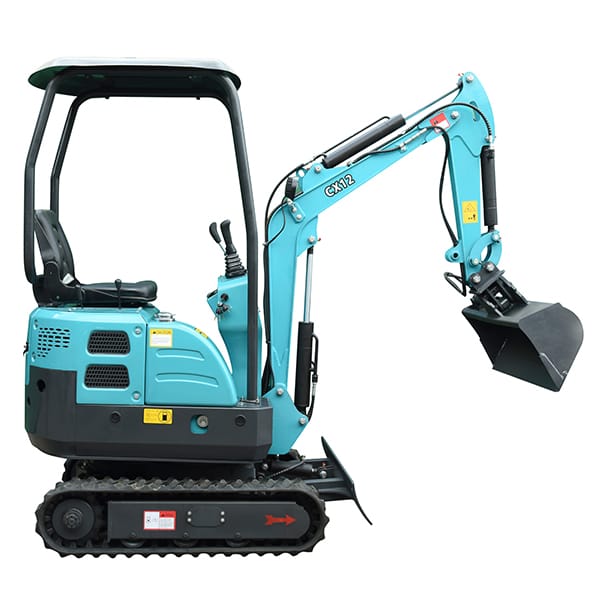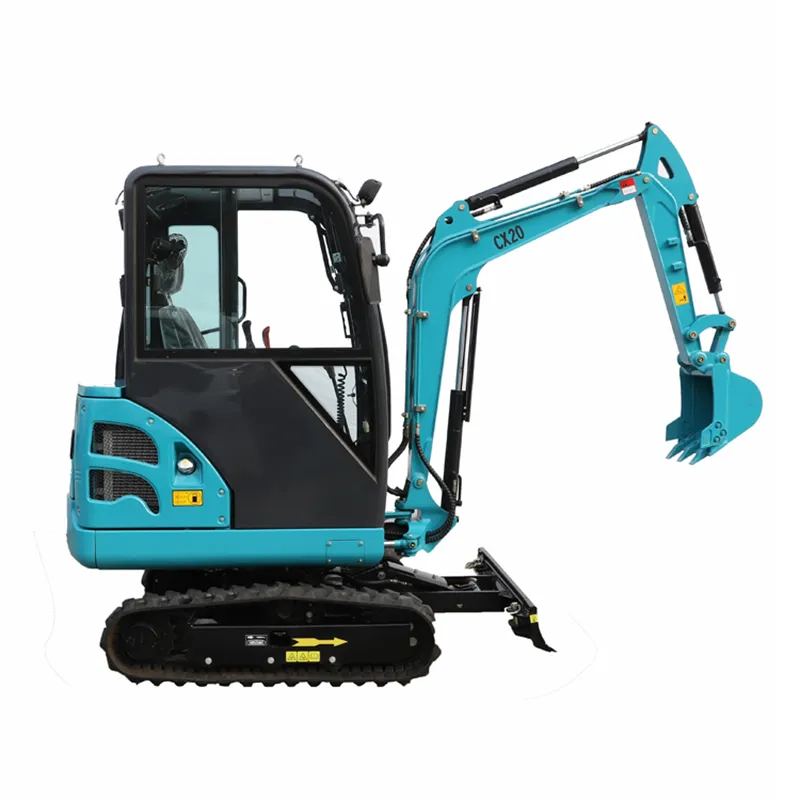

Backhoe loader digging depth is one of the first specifications buyers check, but the number can be misleading when it is read alone. A machine may show a strong maximum digging depth in the brochure, yet the real jobsite may include sloped ground, soft shoulders, wet clay, narrow utility trenches, buried services or limited space for stabilizer placement. In those conditions, the useful depth depends on more than boom geometry. It depends on whether the backhoe loader can stay stable, keep enough bucket force and finish the trench without constant repositioning.
Engineering summary: choose a backhoe loader by matching digging depth with reach, arm force, bucket width, stabilizer footprint, operating weight and loader-side duties. Extra digging depth is valuable only when the machine can use it safely and productively. For buyers still comparing the whole machine rather than one specification, our backhoe loader buying guide gives a broader checklist for size, hydraulics, capacity and dealer selection.
What Backhoe Loader Digging Depth Really Means
Rated digging depth usually means the lowest point the bucket teeth can reach below ground level when the machine is placed correctly on level ground. This gives buyers a useful baseline for drainage work, utility installation, septic projects, foundation repair and rural construction. However, it is still a controlled measurement. It does not always describe how deep an operator can work comfortably for a full day on a mixed site.
This difference matters because real trenching requires control, not only reach. The operator must shape the trench bottom, manage spoil, avoid damaging nearby services and keep the machine away from weak trench edges. To understand why the boom, dipper, bucket and stabilizers affect the result, you can also read our practical explanation of how a backhoe loader works.
Rated Depth vs Real Working Depth
The biggest mistake is choosing a machine whose rated depth is almost the same as the required trench depth. If a project needs a 3.8 m trench and the backhoe loader is rated only slightly deeper, the operator has very little working margin. Bucket angle, trench cleaning and machine positioning all reduce the comfortable operating range. The machine may still touch the target depth, but it may do so slowly and with less control.
A better approach is to choose reserve depth. This allows the operator to work within the efficient part of the boom and dipper movement instead of stretching the backhoe to its limit on every pass. For occasional shallow work, a compact backhoe loader may be enough. For regular utility trenching, stormwater lines or deeper municipal repair, an extendable dipper or larger model often saves time because it reduces repositioning and improves control near the bottom of the trench.
Reach Is as Important as Maximum Digging Depth
Digging depth tells buyers how low the bucket can go. Reach tells them how much work can be completed from one setup. Longer reach helps when digging along pipe runs, cleaning ditches or placing spoil farther away from the trench edge. It also reduces machine movement, which is useful when traffic barriers, narrow roads or the front loader bucket limit available space.
Reach also increases leverage against the machine. The farther the bucket works from the swing pivot, the more important rear stability, smooth hydraulics and operator control become. When comparing models, review maximum digging depth together with reach, bucket digging force, dipper force, swing arc, loading height and operating weight. A machine with slightly less theoretical depth but better force and control at normal working radius may outperform a deeper model that feels unstable when fully extended.
Stabilizer Setup Controls Safe Productivity
Stabilizers are not just support legs. They create the working base for the backhoe. When they are placed firmly, they transfer digging loads into the ground, reduce bounce and help the operator cut a cleaner trench. When they are placed poorly, the machine may twist, sink or move slightly during the digging cycle. The result is slower work, less accurate trench walls and more correction passes.
Before digging, the operator should level the machine as much as the site allows and place the stabilizer feet on firm bearing surfaces. The loader bucket can also be positioned to add front support when appropriate. On soft ground, timber mats, pads or steel plates may be needed to spread the load. This setup step takes a little time, but it usually improves both safety and daily productivity.
Bucket Width and Soil Conditions Change the Result
Bucket width has a direct effect on how the backhoe loader performs in the ground. A wide trenching bucket moves more material per cycle, but it also increases cutting resistance and bucket load. In loose sand or light topsoil, that may be efficient. In compacted clay, rocky fill or root-heavy soil, a narrower toothed bucket may dig faster because the machine can focus force through a smaller cutting edge.
Soil condition also decides whether the rated digging depth is realistic. Loose soil may allow fast digging but can collapse into the trench. Wet ground can weaken stabilizer support and increase rutting when the machine moves. Hard fill may need more breakout force and better bucket teeth. For utility work, bucket width should match pipe diameter, bedding space and trench requirements, not simply the largest bucket available.
How to Choose the Right Backhoe Loader for Trenching
Start with the job, not the brochure. Define the normal trench depth, trench width, daily production target, soil condition and access limits. Then compare the machine’s digging depth, reach, arm force, bucket force, stabilizer stance, operating weight and loader capacity as one system. If the same backhoe loader must load gravel in the morning and dig utility lines in the afternoon, both the front loader and rear backhoe specifications matter.
The best backhoe loader is not always the deepest digging model. It is the machine that reaches the target depth with a comfortable safety margin, uses the right bucket for local ground, stays stable on the available surface and finishes repeated cycles without unnecessary movement. If you are comparing models for trenching, municipal repair, landscaping, farm work or rental fleet use, contact ACE Machinery for digging depth, bucket width and loader capacity recommendations based on your real site conditions.
FAQ
How deep can a backhoe loader usually dig?
The answer depends on machine size, dipper configuration, bucket, soil and stabilizer setup. Many full-size backhoe loaders are selected for common utility trenching depths, while compact models dig less and extendable dipper versions can reach deeper. Buyers should confirm the supplier’s specification sheet and keep working margin above the required trench depth.
Is an extendable dipper worth choosing?
An extendable dipper is useful when the machine often works on deeper trenches, drainage lines or jobs where repositioning is costly. It is less important if most work is shallow loading, landscaping or light farm excavation. The added reach should always be matched with stability, bucket choice and operator experience.
Why does a backhoe loader feel unstable while digging deep?
Common causes include soft stabilizer support, uneven ground, excessive reach, an oversized bucket, poor machine leveling or working too close to a trench edge. Stability usually improves when the machine is repositioned, the stabilizer bearing area is increased and the bucket is matched to the soil.