
Complete Backhoe Loader Buying Guide for Contractors and Dealers
A backhoe loader buying guide should help buyers make a clear decision, not leave them staring at a specification sheet as if it were a puzzle from another planet. For contractors, dealers and rental companies, a backhoe loader is more than a machine with a front bucket and a rear digging arm. It is a working tool that must dig, load, backfill, move around the job site and keep earning money without asking for too much attention from the workshop.
This guide explains how to choose a backhoe loader by looking at the details that matter in real work: digging depth, bucket size, hydraulic power, operating weight, attachments, maintenance, price and resale value. It also looks at when a compact backhoe loader makes better sense than a larger machine, and what dealers should check before adding new models to their stock. Buyers who want to compare available machine options can also review the ACE backhoe loader range to connect the selection points in this guide with real product configurations.
What Is a Backhoe Loader and Why Contractors Still Use It?
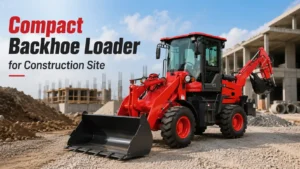
A backhoe loader combines two useful tools in one machine. At the front, it has a loader bucket for moving soil, gravel, sand, waste material and pallets when fitted with forks. At the rear, it has a backhoe arm for trenching, digging, cleaning ditches and backfilling. This layout makes it useful on job sites where the work changes several times during the day. One hour the operator may be digging a trench, the next hour loading spoil, and later using the front bucket to tidy the site before leaving. It is not magic, but on a busy site it can feel close.
The main reason contractors rely on backhoe loaders is flexibility. A dedicated excavator may dig faster in deep or continuous excavation, while a wheel loader may handle bulk material more efficiently. However, many small and medium projects do not need separate machines all day. In road repair, drainage work, farm maintenance, landscaping, utility trenching and general construction, one well-chosen backhoe loader can reduce transport time, simplify machine planning and keep the crew moving. Readers who want a more basic machine-structure explanation before comparing specifications can also read this technical article on how a backhoe loader works.
Common Backhoe Loader Uses on Real Job Sites
The most common backhoe loader uses include digging, loading, trenching, backfilling, lifting, grading and site cleaning. On many small and medium job sites, these tasks do not appear one by one in a neat order. A crew may need to open a trench, move spoil, place gravel and clean the surface before leaving. That is where a backhoe loader becomes useful, because it can switch between digging and loading work without waiting for another machine to arrive.
Landscaping contractors often use it to move soil, prepare driveways, dig drainage lines and handle light material loading. Farm users may rely on the same machine for ditch cleaning, manure handling, track repair and small excavation work. Municipal teams can use it for road maintenance, pipe repair, kerb work and drainage clearing. This wide range of applications is also useful for dealers, because one practical machine can serve several buyer groups when the specification is simple, reliable and easy to maintain.
Backhoe Loader Types: Compact, Mini, Standard and Side-Shift Models
Choosing the correct machine type is the first major decision. A compact backhoe loader suits buyers who need flexibility in narrow spaces, lower transport cost and easier operation. It is often a strong match for small construction firms, farms, landscaping companies and local maintenance teams. A compact machine will not win a heavyweight digging contest, but it can work in places where a larger machine would spend half the morning trying to turn around.
A mini backhoe loader or small backhoe loader is useful when access is limited and the work is light to medium duty. These machines are often used around houses, gardens, orchards, workshops and small yards. Buyers should still check stability, hydraulic response and bucket force carefully, because a small machine must still feel confident in the ground. A machine that looks compact but struggles under load will quickly test the patience of any operator.
Standard backhoe loaders are better for deeper trenching, heavier loading and longer working hours. They are usually preferred by contractors who handle utility work, road maintenance, larger drainage jobs and mixed construction projects. Side-shift models are worth considering where work happens near walls, kerbs, fences or buildings, because the rear digging unit can shift sideways and reduce the need for constant repositioning.
Key Backhoe Loader Specifications Every Buyer Should Compare
Backhoe loader specifications should always be read with the job in mind. A bigger number is not always better. More engine power, deeper digging depth or a larger bucket can be useful, but only if the machine remains stable, easy to transport and suitable for the daily workload. Contractors should connect each specification to a real task. Dealers should do the same when recommending machines to customers, because a good sale is not just about moving stock; it is about avoiding angry phone calls later.
Digging Depth and Working Reach
Backhoe loader digging depth is important for trenching, drainage, pipe laying, foundation preparation and utility repair. If the machine cannot reach the required depth comfortably, the operator will waste time repositioning and cleaning the trench. Choosing a machine much larger than the work requires may also add cost for capacity that rarely gets used. Working reach matters as well, because it affects how far the operator can place spoil and how safely the machine can work near a trench edge.
Bucket Size and Loader Capacity
A practical backhoe loader bucket size guide starts with the material. Loose soil, dry sand, wet clay, gravel and broken asphalt all behave differently. Larger buckets can move more material per cycle, but only when the machine has enough breakout force, hydraulic power and stability to use them properly. On the front loader, bucket capacity affects loading productivity. Around the rear backhoe, bucket width affects trench shape, digging resistance and finishing accuracy.
Hydraulic System and Breakout Force
The backhoe loader hydraulic system decides how smoothly and strongly the machine works. Good hydraulic performance gives the operator better control when digging, lifting, loading and using attachments. Hydraulic flow and pressure also affect breakers, augers, compactors and other tools. Buyers planning to use hydraulic attachments should check auxiliary lines, coupler type, flow rate and cooling capacity before purchase. Weak hydraulics may still move the arm, but the operator will know the difference after the first difficult trench.
Operating Weight, Stability and Transport Size
Operating weight affects traction, lifting confidence and digging stability. Heavier machines usually feel more planted during tough work, but they may cost more to transport and may not suit narrow roads, soft ground or small sites. A lighter compact model may be easier to move and store, but it still needs enough weight and structure to stay safe under load. Buyers should check transport dimensions, trailer limits and local road rules before placing an order.
How to Choose a Backhoe Loader for Your Job Site
If you are asking how to choose a backhoe loader, begin with your daily work instead of the brochure. Write down the three jobs the machine will do most often. A contractor may need trenching, spoil loading and backfilling on the same project. Landscapers often focus on soil movement, drainage and driveway preparation. Farm users may care more about ditch cleaning, material loading and repairing access tracks. Once the daily work is clear, the right size and configuration become much easier to judge.
The question what size backhoe loader do I need should be answered through digging depth, bucket work, site access, ground condition and transport. A compact backhoe loader is often enough for small construction sites, farms and landscaping work. Larger machines are more suitable when the buyer needs deeper excavation, heavier loading and longer working hours. The right choice is not the machine with the largest engine. It is the one that completes the regular work efficiently without creating transport, fuel or maintenance problems.
Backhoe Loader Price: What Affects the Real Cost?
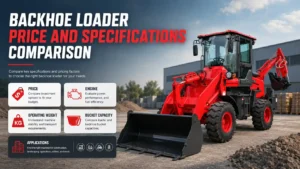
Backhoe loader price is shaped by machine size, engine power, hydraulic configuration, cabin type, tyre quality, emission level, attachments, brand support and shipping conditions. The lowest quotation may look attractive at first, but the real cost also includes fuel, maintenance, spare parts, downtime, finance, transport and resale value. When a machine spends too much time waiting for parts, it stops being a bargain and becomes a very expensive yard ornament with tyres.
When comparing new and used machines, buyers should look beyond paint condition. Pins, bushings, hydraulic hoses, engine smoke, transmission response, tyre wear, oil leaks, cooling performance and service records all deserve careful inspection. A used backhoe loader may reduce the first payment, but poor maintenance history can quickly remove that saving. New equipment usually offers clearer warranty coverage, more predictable specification and better support, which can be valuable for contractors and dealers who need stable long-term use.
Buy or Rent a Backhoe Loader?
The decision to buy or rent a backhoe loader depends on utilisation. If the machine will work regularly across many projects, buying usually gives better control over scheduling and long-term cost. When the work is short-term, seasonal or uncertain, rental can reduce risk. Contractors should calculate monthly working hours, rental cost, transport cost, operator availability and maintenance responsibility before deciding.
Backhoe loader rental is useful when a contractor needs temporary capacity or wants to test whether a machine fits the work. Buying makes more sense when the same type of work keeps returning. Dealers and rental companies should also study local demand before stocking machines. A backhoe loader that rents often, returns in good condition and uses common spare parts can become a reliable earning asset.
Backhoe Loader vs Excavator vs Skid Steer Loader
The comparison between backhoe loader vs excavator should focus on the job, not brand loyalty. An excavator is stronger for deep digging, continuous trenching and heavy excavation. It rotates fully and works very efficiently when digging is the main task. A backhoe loader is more useful when the job also requires loading, backfilling, travelling around the site and handling different tasks during the same day. Readers who need a deeper side-by-side selection view can continue with this backhoe loader vs excavator comparison.
The comparison between backhoe loader vs skid steer loader is different. A skid steer loader is excellent for tight spaces, grading, loading and many attachment tasks. However, it does not offer the same rear digging capability unless fitted with extra equipment. One backhoe loader gives the buyer front loading and rear digging in a single machine. Choosing a skid steer plus mini excavator combination can also be productive, but it means two machines, two maintenance schedules and more transport planning.
Backhoe Loader Attachments That Add Real Value
Backhoe loader attachments can greatly increase the value of the machine when they match real site demand. Useful attachments include general-purpose buckets, trenching buckets, hydraulic breakers, augers, pallet forks, grading buckets, rippers and quick couplers. Breakers are valuable for road repair and light demolition. Augers suit fencing, farms and landscaping. Forks help with pallet handling and site logistics. Quick couplers save time when the operator changes tools often.
Dealers should treat attachments as part of the selling strategy, not as small extras left until the end. Buyers often ask what the machine can do after the standard bucket work is finished. A dealer who can provide common buckets, hoses, couplers, wear parts and attachment advice makes the machine easier to sell and support. Export buyers should confirm attachment compatibility before shipment, especially hydraulic hose fittings, mounting dimensions and coupler type.
Backhoe Loader Maintenance and Total Cost of Ownership
Backhoe loader maintenance has a direct effect on machine life, downtime and resale value. Daily checks should include engine oil, coolant, hydraulic oil, fuel system, tyres, visible leaks, lights, brakes, bucket pins, hoses and safety devices. Grease points around the loader arms, backhoe boom, dipper, bucket linkage and stabilisers should be serviced regularly. Dry pins and bushings do not complain politely; they turn into repair bills.
A clear backhoe loader preventive maintenance checklist helps operators spot small problems before they become expensive ones. The checklist should include fluid levels, filter replacement, hydraulic hose condition, pin wear, tyre pressure, battery condition, brake function, attachment locks and cleaning around the radiator. Contractors should keep service records because they help with warranty support and future resale. Dealers should remind customers that good maintenance protects both performance and machine value.
Backhoe loader resale value tips start from the first day of use. Keep records, use the correct fluids, repair leaks early, replace worn pins before they damage larger structures and clean the machine before storage. A machine with clear maintenance history is easier to resell than one with mysterious noises and a story that begins with “it was working fine yesterday.”
What Dealers Should Check Before Stocking Backhoe Loaders
A backhoe loader for dealers should match local buyer demand. Dealers serving contractors may need stronger digging depth, loader performance and attachment options. Farm and small-business customers may prefer compact models with simple controls, durable tyres and easy service access. Rental-focused dealers should look for machines that are easy to operate, quick to maintain and supported by common spare parts.
When working with a China backhoe loader manufacturer, dealers should check specification stability, engine options, hydraulic components, emission standards, spare parts supply, warranty terms, delivery time and container loading plans. ACE Machinery supplies compact construction machinery for global buyers, and buyers who want to understand the wider company background can visit the ACE Machinery equipment catalogue. If the target market has strict emission rules, such as Tier 4 requirements, the buyer should confirm compliance before ordering. Paperwork may not be exciting, but it is much better than discovering a missing certificate when the machine is already at the port.
Backhoe Loader Buying Checklist Before Sending an Enquiry
Before asking for a quotation on a backhoe loader for sale, prepare the information a serious supplier needs. State the main jobs, required digging depth, bucket size, loader capacity, attachment plan, ground condition, climate, transport method, emission requirement and target budget. A clear enquiry helps the supplier recommend the correct model instead of guessing from a short message that says only “send price”.
Contractors should ask for the specification sheet, hydraulic details, operating weight, dimensions, warranty terms, spare parts list and delivery schedule. Dealers should also ask about model continuity, branding options, documentation, after-sales support and common replacement parts. When you are looking for a compact backhoe loader for sale, make sure the machine can support the attachments your customers are likely to request. Buyers comparing compact construction machines beyond one product category can also use the ACE compact machinery platform to review broader equipment options.
Final Buying Advice
A good backhoe loader buying decision comes from matching the machine to daily work. Contractors should focus on job type, working hours, transport, fuel use and maintenance. Dealers should focus on local demand, model stability, spare parts, attachments and resale value. The right backhoe loader does not need to be the biggest machine in the yard. It needs to be the machine that works often, breaks rarely, and helps the buyer finish more jobs with less equipment confusion.
FAQ: Backhoe Loader Buying Guide
How much does a backhoe loader cost?
The cost depends on size, engine power, hydraulic system, cabin option, attachments, emission level, brand support and whether the machine is new or used. Buyers should compare total cost of ownership, not only the first purchase price.
What size backhoe loader do I need?
Choose the size according to digging depth, bucket work, site access, ground condition and transport limits. A compact backhoe loader suits farms, landscaping and small construction sites, while a standard model suits deeper trenching and heavier loading.
Is a backhoe loader better than an excavator?
A backhoe loader is better when the job needs both digging and loading. An excavator is better for deep excavation and continuous digging. The better choice depends on the work pattern, not only on machine power.
Should I buy or rent a backhoe loader?
Buy when the machine will work regularly and your team can maintain it properly. Rent when the job is temporary, seasonal or uncertain. Rental is also useful when testing whether a machine fits your normal projects.
Which backhoe loader attachments are most useful?
Common useful attachments include trenching buckets, general buckets, hydraulic breakers, augers, pallet forks and quick couplers. The right attachment package depends on local work, such as road repair, farm work, landscaping or utility trenching.
What should dealers check before buying from a China backhoe loader manufacturer?
Dealers should check specifications, engine options, hydraulic components, emission compliance, warranty terms, spare parts support, delivery time, documentation and container loading plans before placing an order.
Natural Product Enquiry Guidance Sentences
If your work mainly includes farm maintenance, landscaping, road repair or small construction, send us your required digging depth, bucket width and attachment plan so we can recommend a suitable compact backhoe loader.
Dealers can share their target market, preferred engine standard, order quantity and spare parts requirements, and ACE will help match the right WZ series backhoe loader configuration.
For export enquiries, please include destination country, emission requirement, preferred shipping method and branding needs, so the quotation can cover both machine specification and delivery planning.