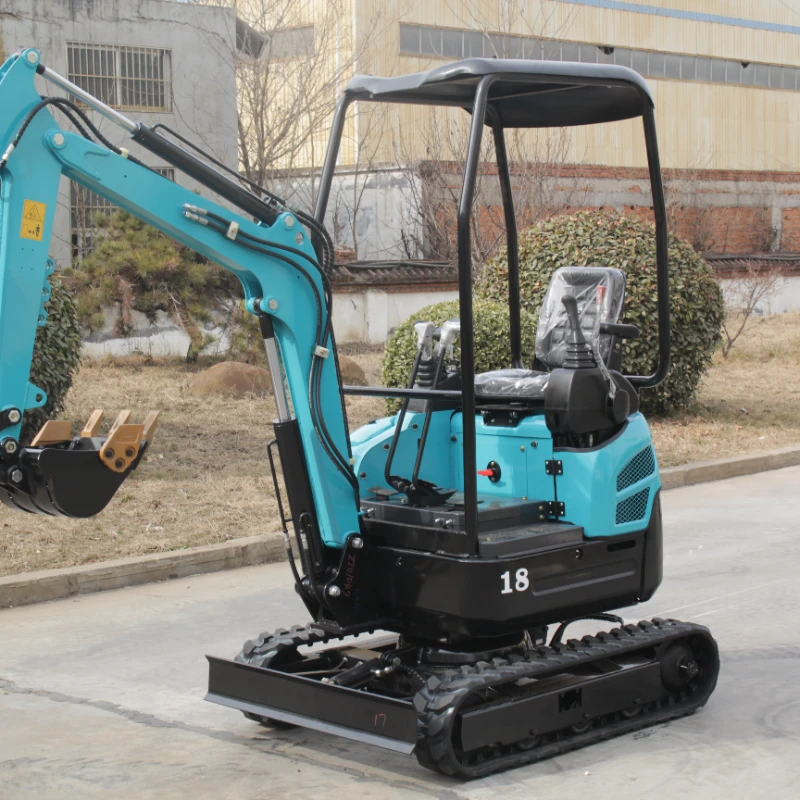

Common Mini Excavator Travel Motor Problems (And Why Your Excavator Suddenly Walks Like a Tired Crab)
Mini excavator are impressive little machines. One moment they are digging trenches with confidence, and the next they are trundling across the site like determined mechanical beetles. But when something goes wrong with the travel system, that confident march can quickly turn into an awkward shuffle.
Operators often notice the symptoms first. One track moves slower than the other. The machine struggles to climb a slope. Or the excavator suddenly refuses to move at all, leaving the operator wondering whether the machine has developed a personality.
Many of these issues originate from the same place: the travel motor. Understanding common mini excavator travel motor problems helps operators and technicians diagnose faults logically instead of replacing components at random and hoping for the best.
This guide explains how the travel system works, the most frequent problems affecting travel motors, and the practical diagnostic methods technicians use on real construction sites.
How Does a Mini Excavator Travel Motor Actually Work?
Before diagnosing faults, it helps to understand what the travel motor does.
Each track on a mini excavator is powered by its own hydraulic travel motor. Hydraulic oil flows from the main pump to the motor, which converts hydraulic pressure into rotational movement.
That rotation passes through a final drive gearbox, which reduces speed and multiplies torque. The result is enough power to move the machine across soil, gravel, mud or occasionally whatever mysterious surface construction sites produce.
In simple terms:
hydraulic pressure → travel motor → gearbox reduction → track movement
When any part of this system stops behaving properly, the excavator’s mobility begins to suffer.
Why Does One Track Move Slower Than the Other?
One of the most common complaints from operators is that the excavator begins to drift sideways when travelling.
Instead of moving straight forward, the machine gently veers off course like a distracted shopping trolley.
Several issues can cause this behaviour:
- uneven hydraulic pressure between travel circuits
- internal leakage inside one travel motor
- worn final drive gears
- restricted hydraulic flow on one side
Technicians usually begin diagnosis by measuring hydraulic pressure at both travel circuits. If one side produces noticeably lower pressure, the problem may originate from the control valve or the motor itself.
If pressures appear normal but the speed difference remains, attention shifts to the final drive gearbox.
What Causes a Mini Excavator to Lose Travel Power?
Another common situation occurs when the excavator still moves but struggles under load. The machine may travel normally on flat ground yet slow dramatically when climbing slopes.
In many cases this indicates reduced torque inside the travel motor system.
Possible causes include:
- hydraulic motor wear
- low hydraulic system pressure
- contaminated hydraulic oil
- internal leakage inside the motor
Hydraulic motors rely on precise internal clearances to convert oil pressure into rotational torque. As components wear, oil begins to bypass internal surfaces instead of producing movement.
The motor still rotates, but with significantly less power.
Why Does the Travel Motor Make Strange Noises?
Operators sometimes report unusual sounds coming from the track area. Grinding noises, knocking sounds or high-pitched whining are rarely good news for mechanical equipment.
Common noise-related causes include:
- worn planetary gears in the final drive
- damaged bearings inside the gearbox
- air entering the hydraulic system
- cavitation inside the travel motor
A useful rule for technicians: if the noise changes when the machine turns or climbs a slope, the issue likely lies inside the final drive assembly rather than the hydraulic pump.
Ignoring these noises is rarely wise. Gear damage tends to progress quickly once it begins.
Why Does the Excavator Refuse to Move at All?
Occasionally the excavator simply refuses to travel. The engine runs, the controls move, but the machine stays firmly planted on the ground like it has decided to become a decorative garden feature.
This situation usually points toward one of several possibilities:
- hydraulic control valve malfunction
- blocked hydraulic lines
- severely worn travel motor
- broken gears in the final drive
Technicians normally start by confirming whether hydraulic oil is reaching the motor. If pressure is present but the motor does not rotate, internal motor failure becomes likely.
If pressure is absent, the issue may lie upstream in the control valve or hydraulic pump system.
How Hydraulic Oil Condition Influences Travel Motor Life
Travel motors operate under heavy load conditions, particularly when machines climb slopes or turn sharply.
Hydraulic oil serves two critical functions inside the motor:
- transmitting hydraulic energy
- lubricating internal components
Contaminated oil accelerates wear inside pistons, bearings and valve plates. Over time, this wear increases internal leakage and reduces motor efficiency.
Technicians therefore monitor hydraulic oil cleanliness carefully. Oil analysis often reveals metal particles long before travel problems become noticeable.
Simple Diagnostic Checks Operators Can Perform
Not every travel issue requires immediate disassembly. Operators can perform several quick checks before calling the maintenance team.
- Inspect hydraulic oil level.
- Check for visible leaks around the final drive.
- Observe whether both tracks rotate at equal speed.
- Listen for unusual noises while travelling.
- Test travel performance on flat ground and slopes.
These observations provide valuable clues that help technicians narrow down the cause of the problem.
Conclusion
Travel motors are responsible for turning hydraulic power into the movement that allows mini excavators to navigate construction sites. When these components begin to wear or hydraulic pressure drops, symptoms quickly appear in the form of uneven travel, reduced power or unusual noises.
Diagnosing travel motor problems requires examining hydraulic pressure, motor condition and final drive components together. By understanding how these systems interact, operators and technicians can identify faults more efficiently and keep compact excavators moving reliably across demanding job sites.
FAQ – Mini Excavator Travel Motor Problems
Why does my mini excavator move slower on one side?
Uneven hydraulic pressure, internal travel motor leakage or worn final drive gears can cause one track to move slower than the other.
What causes a travel motor to lose power?
Reduced hydraulic pressure, internal motor wear or contaminated hydraulic oil commonly lead to reduced travel torque.
Can hydraulic oil contamination damage travel motors?
Yes. Metal particles or dirt in hydraulic oil accelerate wear inside motor components and reduce efficiency.
How long do mini excavator travel motors usually last?
With proper maintenance and clean hydraulic oil, travel motors can operate for several thousand working hours before major overhaul becomes necessary.