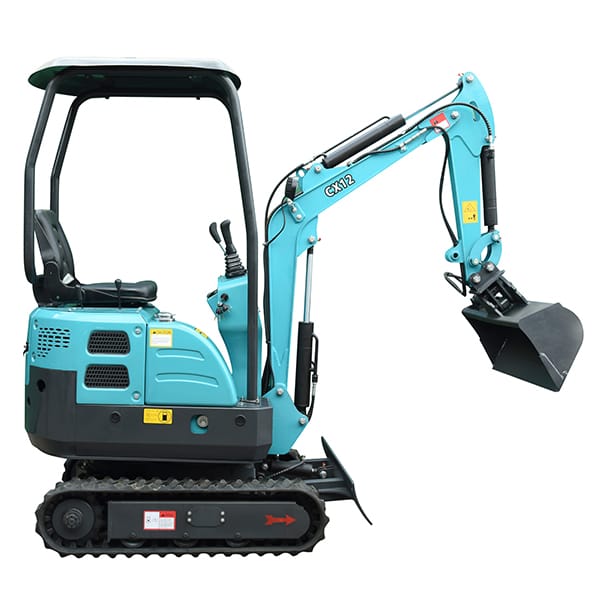

An electric mini dumper can save a crew a lot of pushing, carrying and wasted time. But like any piece of site equipment, it needs a little attention before small problems turn into a lost morning.
The good news is that routine maintenance does not have to be complicated. A few sensible checks before work, careful charging and a proper record of anything unusual will help keep the machine ready for its next job. The important part is knowing what to check yourself and when to leave a problem to a qualified technician.

1. Start With a Daily Inspection
Before starting the machine, park it on firm, level ground and follow the inspection procedure in the operator’s manual. Check the controls, brakes, battery indicator, emergency stop if fitted, skip, frame, wheels or tracks, and visible cables and connectors.
Look for fresh leaks, loose parts, damaged wiring or anything that looks different from the previous shift. After work, remove accumulated mud and material where it is safe to do so, then record any changes in performance.
| Check | What to look for | What to do |
|---|---|---|
| Controls and brakes | Abnormal response or warning indicators | Stop if a safety function fails |
| Wheels or tracks | Visible damage or unusual wear | Record the problem and arrange inspection |
| Electrical connections | Loose plugs, damaged cables or exposed wires | Do not use damaged components |
| Skip and frame | Cracks, loose fasteners or heavy material buildup | Clean safely and report defects |
| Battery area | Visible damage, swelling or unusual heat | Stop using the machine if a serious fault is suspected |
A checklist is only useful when someone follows up on the findings. If an operator reports the same fault three days in a row, the answer is not to create a better checklist. It is to get the fault checked.
2. Look After the Battery Before Runtime Becomes a Problem
Battery maintenance starts with one simple question: which battery does the machine use? Lead-acid and lithium batteries have different care, charging and storage requirements. Follow the instructions for the battery actually installed rather than assuming every electric dumper needs the same treatment.
Keep accessible battery areas clean and dry as directed by the manufacturer. Inspect visible cables and connectors for damage, corrosion or signs of overheating. Do not open a sealed battery pack or attempt repairs unless you are qualified and authorised to do so.
If the machine starts losing runtime, look at the working conditions before blaming the battery. A fully loaded dumper travelling over soft ground or climbing slopes will use energy differently from one moving light loads across a flat yard. Frequent starts, stops and turns also affect consumption. Compare similar shifts and record the load, route, charging history and operating time. If performance continues to decline under comparable conditions, arrange an inspection of the battery and charging system.
For a closer look at load and runtime when choosing equipment, see our electric mini dumper battery runtime and load capacity guide.
3. Charge Safely and Use the Correct Charger
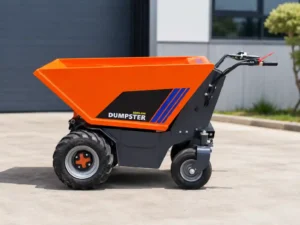
A charger that fits the connector is not necessarily the right charger. Check the approved charger model, battery specification, input supply and charging instructions before connecting the machine.
Inspect the plug and cable first. Do not use damaged equipment, and never bypass a safety device to get a machine charging again. Follow the manufacturer’s connection and disconnection procedure, and charge in a suitable area away from conditions that could damage the equipment.
Lead-acid batteries need particular care because charging can release hydrogen gas, which may create an explosion hazard if it accumulates. OSHA’s guidance on industrial vehicle batteries explains the importance of appropriate charging areas, ventilation and precautions against ignition sources. The exact requirements for your dumper must still come from its own manual and applicable local regulations. Read OSHA’s guidance on electric industrial vehicle batteries for general background.
If charging fails, check the approved troubleshooting instructions and record any warning lights or unusual behaviour. Do not open battery packs or probe electrical circuits just to see what happens. If the fault is not clear, have the charger, connections and battery checked by a qualified technician.
4. Clean the Machine and Prepare It for Storage
Mud, soil and material residue are normal on a dumper. The problem starts when buildup hides damage, interferes with moving parts or makes the next inspection harder.
Clean the skip, frame and accessible running gear using the method permitted by the manufacturer. Avoid directing high-pressure water at electrical connectors, the battery compartment or control units unless the manual explicitly allows it. Before putting the machine away, check for visible damage and record anything that needs attention.
Long-term storage requires a little more planning. Follow the battery manufacturer’s instructions for storage temperature, charge level and any periodic checks. Do not assume that every battery should be stored fully charged or that every machine needs the same charging interval.
For rental companies and contractors with several machines, record the storage date, battery condition, known faults and any work already completed. That way, the next operator does not have to guess what happened before the machine was parked.
5. Build a Maintenance Schedule Around the Actual Model
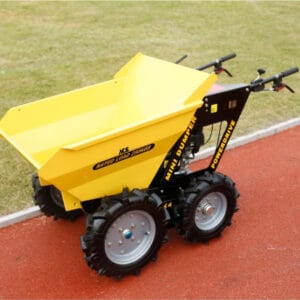
Daily inspection and scheduled servicing are two different jobs. An operator may check visible cables before every shift, while a technician follows the manufacturer’s service plan for specific components. Use this table as a record-keeping framework, not as a universal service interval.
| Maintenance task | What to record | Where to confirm requirements |
|---|---|---|
| Pre-start inspection | Controls, brakes, visible damage and warnings | Operator’s manual |
| Cleaning | Residue, contamination and damaged areas | Manufacturer’s cleaning instructions |
| Battery checks | Condition, charging behaviour and warnings | Battery documentation |
| Scheduled service | Inspections and replacement items completed | Model-specific service schedule |
| Long-term storage | Storage conditions and charging records | Battery storage instructions |
Keep the machine model and serial number with the maintenance record. This matters when a fleet contains several models: a procedure that is correct for one battery or drive system may not be suitable for another.
6. Know When to Stop and Arrange a Repair
Stop using the machine if the brakes or safety controls fail, electrical insulation is damaged, a battery becomes unusually hot or swollen, smoke appears, or charging produces abnormal heat or odours. Do not keep working simply because the machine can still move. Record the symptoms, isolate the equipment according to the manufacturer’s procedure and arrange an appropriate inspection.
For track, roller, sprocket and hydraulic checks, use our tracked dumper maintenance checklist. That guide covers mechanical maintenance topics separate from the battery and charging checks in this article.
Frequently Asked Questions
How often should an electric mini dumper be inspected?
Carry out the pre-start checks specified in the operator’s manual before each working shift. Inspect the machine again after unusual operation, damage or a reported fault. Follow the model-specific schedule for servicing.
How should I maintain an electric dumper battery?
Identify the battery type, use the approved charger, inspect visible connections and follow the manufacturer’s cleaning, charging and storage instructions. Do not apply lead-acid maintenance procedures to a lithium battery unless the documentation specifically supports them.
Why is my electric mini dumper not charging?
Possible causes include a power-supply problem, damaged cable, connector fault, charger issue or battery fault. Follow the approved troubleshooting steps and arrange qualified service if the cause is not clear.
What should a rental company record?
Record the machine’s identity, inspection date, battery condition, charging problems, visible defects, repairs and the person responsible for the inspection. Good records make handovers easier and help recurring faults get noticed.
Choose Equipment With Clear Maintenance Support
Before buying an electric mini dumper, ask the supplier for the correct operator’s manual, battery and charger specifications, service schedule, warranty terms and spare-parts support. These details are just as important as payload and working time when a machine will be used every day.
Contact ACE Machinery to discuss electric mini dumper configurations, technical documentation and spare-parts support for your intended application.
Technical note: Always follow the manual for the exact machine and battery. General battery safety references do not replace the manufacturer’s instructions or applicable local regulations.