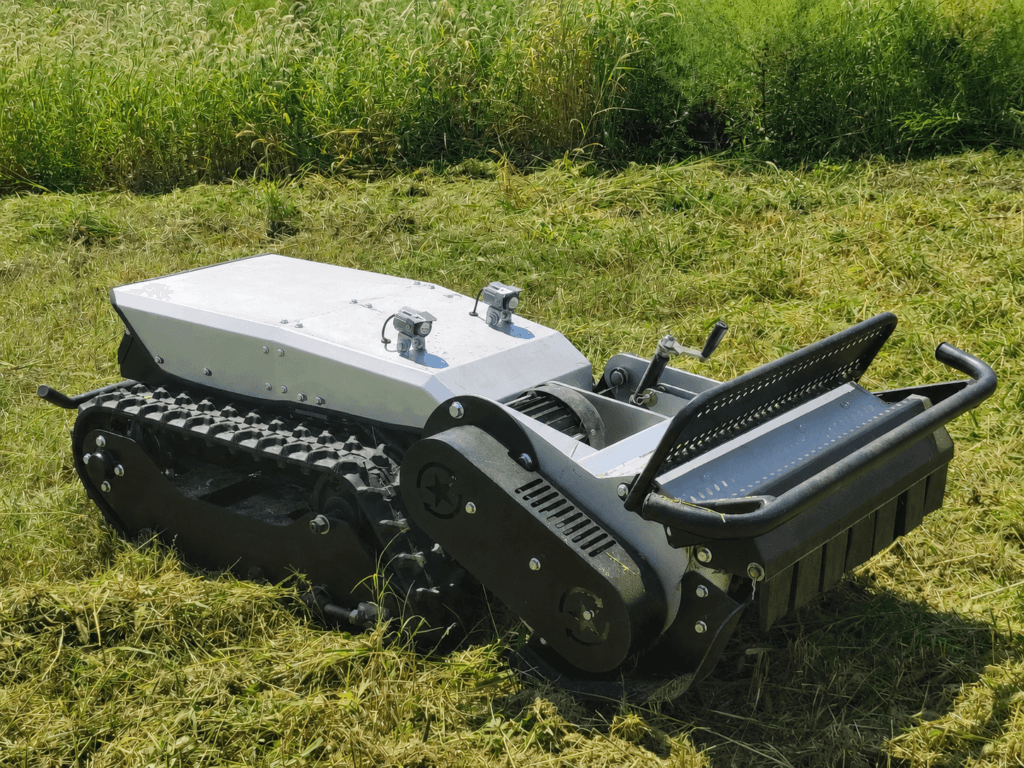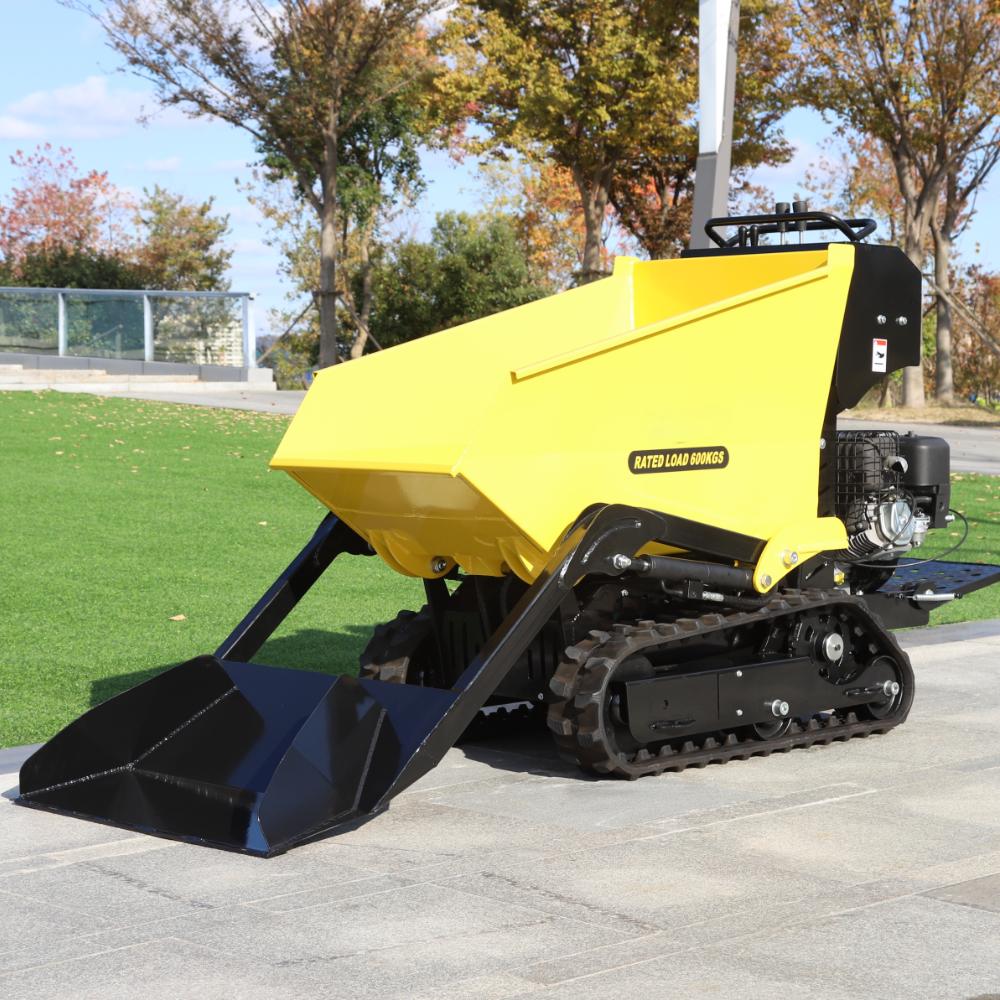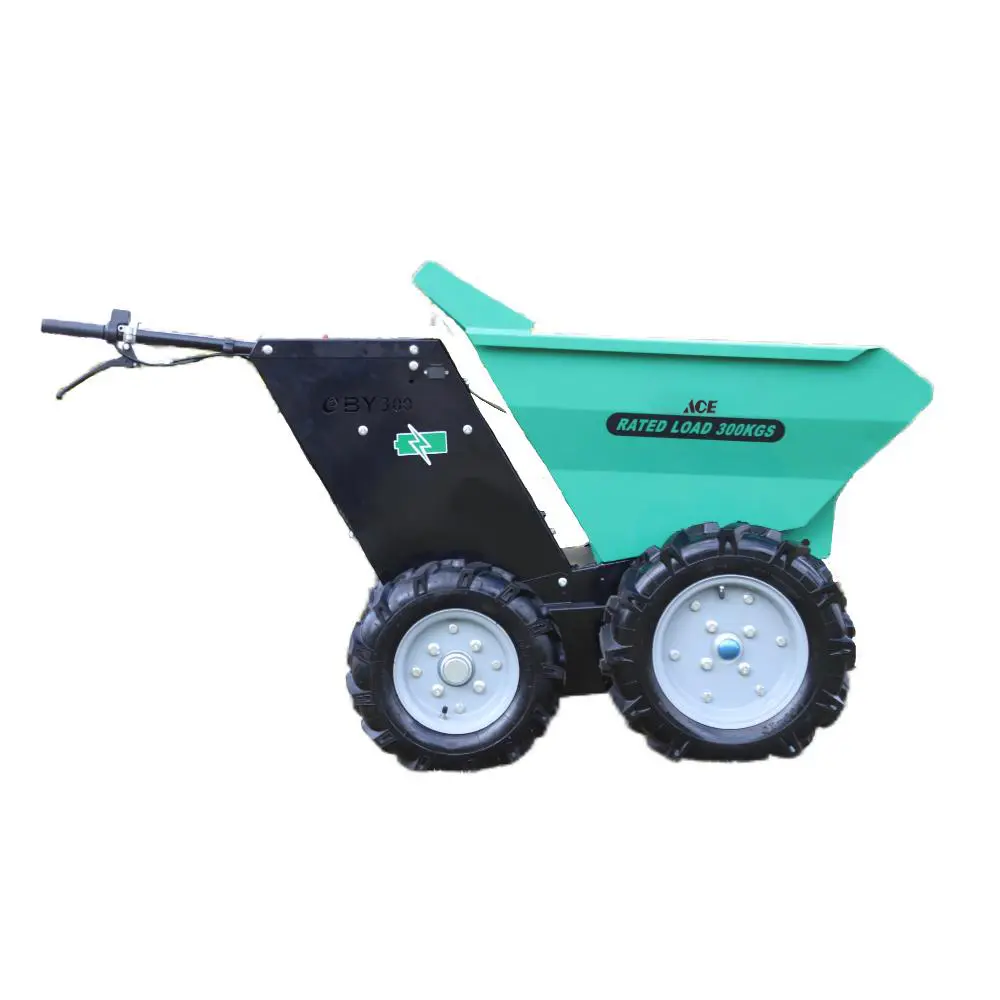

An electric mini skid steer loader is a compact material-handling machine for jobsites where space, noise and exhaust matter. It is especially useful indoors, in courtyards, warehouses, gardens, municipal repair areas and urban renovation projects where a larger diesel loader feels like a bull in a glass shop. For contractors, dealers and rental companies, the real value is not only that the machine is electric. The value is that it can move useful loads through tight access points while keeping the site cleaner, quieter and easier to manage. Buyers comparing compact loader choices can also look at how a 250kg mini skid steer works in tight spaces.
What an Electric Mini Skid Steer Loader Really Solves
Many modern jobsites are small, crowded and sensitive. Crews may work inside a building, beside finished walls, near homes, around public facilities or on sites with limited ventilation. In these places, exhaust fumes, engine noise and machine width can become bigger problems than the work itself. An electric mini skid steer loader helps solve this by combining compact size with low-noise operation and zero exhaust emissions at the point of use.
This does not mean every electric skid steer should replace a larger diesel loader. That would be like using a pocket knife to cut down a forest. The smarter approach is to use the compact electric loader where it fits best: short-distance material handling, indoor cleanup, landscaping supply movement, warehouse maintenance and narrow-access loading. When the job is about moving soil, mulch, gravel, tools, debris or light pallets in confined areas, the machine can reduce hand labor and make the crew’s day much less painful.
Where Electric Skid Steers Make the Most Sense
The best jobs for a compact electric loader are not always the heaviest jobs. They are the jobs where access and environment decide productivity. Indoor demolition, basement renovation, greenhouse work, backyard landscaping, city sidewalk repair and warehouse projects are good examples. In these situations, workers often waste time pushing wheelbarrows through narrow routes. A small electric loader can turn many slow trips into a smoother workflow.
Electric operation also helps when people are working close together. Lower noise makes communication easier, which is useful when operators, laborers and supervisors are sharing the same tight space. Fewer fumes also make the machine more suitable for enclosed or semi-enclosed areas. Engineers and site managers should still plan ventilation and safety procedures properly, but the electric platform removes one major headache from the site plan.
Three Specifications Buyers Should Check First
1. Load capacity must match real material weight
Rated operating capacity is important, but it only becomes useful when compared with real material weight. Dry mulch, wet soil, gravel and demolition debris are very different loads. A bucket that looks small may become heavy very quickly when filled with wet material. Buyers should not judge productivity by bucket size alone. They should ask: what material will be moved, how far will it travel and how many trips will the machine make each day?
A 200kg class mini skid steer loader can be highly useful in compact areas, but it should not be treated as a full-size loader wearing a smaller coat. If the work regularly requires heavier loads, a larger machine may be safer and more productive. Correct sizing protects the loader, improves battery efficiency and keeps the operator in control.
2. Machine width decides whether the job can even start
Width is often the hidden decision-maker. A loader may have good power and a nice bucket, but if it cannot pass through the gate, it becomes an expensive decoration outside the fence. Before choosing a battery powered skid steer loader, buyers should measure the narrowest point on the route, including gates, doorways, warehouse aisles, garden paths and turning areas.
This is especially important for dealers and rental fleets. Customers often remember machine width only after the equipment arrives on site. A compact model with a narrow body can win jobs that larger loaders cannot enter, which is a strong selling point for urban and residential markets.
3. Battery runtime depends on the work cycle
Battery runtime should be understood in practical terms, not as a magic number printed on a brochure. A machine carrying light material on flat ground will use power differently from a machine turning constantly with a full bucket. Frequent lifting, pushing, climbing and reversing all increase energy use. Engineers should think in work cycles: loading, traveling, dumping, returning and charging.
For rental companies, the best question is simple: can the loader complete the customer’s normal work period with planned charging? Some users need short bursts throughout the day. Others need more continuous operation during cleanup or material delivery. Matching battery capacity to the work pattern helps avoid disappointed customers and awkward phone calls.
Electric or Gasoline: Which One Should a Dealer Offer?
Electric power is strongest for indoor, low-noise and low-emission jobs. Gasoline power may still suit outdoor users who need longer continuous operation and quick refueling. A dealer serving landscapers, renovation teams, warehouses and municipal users may benefit from offering electric options. A dealer serving rough outdoor earthmoving customers may still need gasoline or diesel machines in the product mix.
The smart sales message is not “electric is always better.” The better message is “choose the power system that fits the site.” That sounds less flashy, but it builds more trust. Overseas buyers and rental managers want practical guidance, not a slogan wearing a hard hat. When attachment use becomes part of the decision, it also helps to check hydraulic flow, ROC and attachment matching before confirming the loader model.
Attachment Matching Is Part of the Buying Decision
A mini skid steer becomes more valuable when it works with the right bucket, fork, rake, auger or other attachment. Before ordering, buyers should confirm mounting style, hydraulic flow, pressure requirements and attachment weight. The same logic applies to compact excavator attachment selection, where pins, weight and hydraulic demand must fit the machine instead of fighting it. An attachment that is too heavy or too demanding can reduce control, shorten runtime and create unnecessary wear.
For electric machines, attachment choice also affects energy consumption. A simple bucket may use less power than a hydraulic attachment that runs continuously. Dealers should explain this clearly, because good attachment matching often decides whether the customer sees the machine as a productivity tool or a frustrating experiment.
FAQ
What is an electric mini skid steer loader best used for?
It is best used for indoor material handling, landscaping, urban renovation, warehouse work, municipal repair and narrow-access jobs where compact size, low noise and zero exhaust emissions at the point of use are important.
Can an electric skid steer handle construction work?
Yes, it can handle light and medium compact-site tasks such as moving soil, gravel, mulch, tools and debris. For heavy digging, high-volume loading or long outdoor shifts, buyers should compare load capacity, runtime and hydraulic performance carefully.
What should importers check before buying electric mini skid steer loaders?
Importers should check rated load, machine width, battery type, charging time, hydraulic specifications, attachment compatibility, spare parts support and warranty terms. These details decide how well the machine performs after delivery.
Final Thought
An electric mini skid steer loader is not just a “green” machine. It is a practical compact loader for jobs where access, noise, fumes and labor cost matter. When buyers match machine width, load capacity, battery runtime and attachments to real working conditions, the result is a quieter, cleaner and more efficient jobsite. For dealers and fleet owners, that is the kind of value customers understand quickly.
Need help matching a compact loader to your application? You can send ACE Machinery your site width, load and attachment needs, and our team can help recommend a suitable configuration.