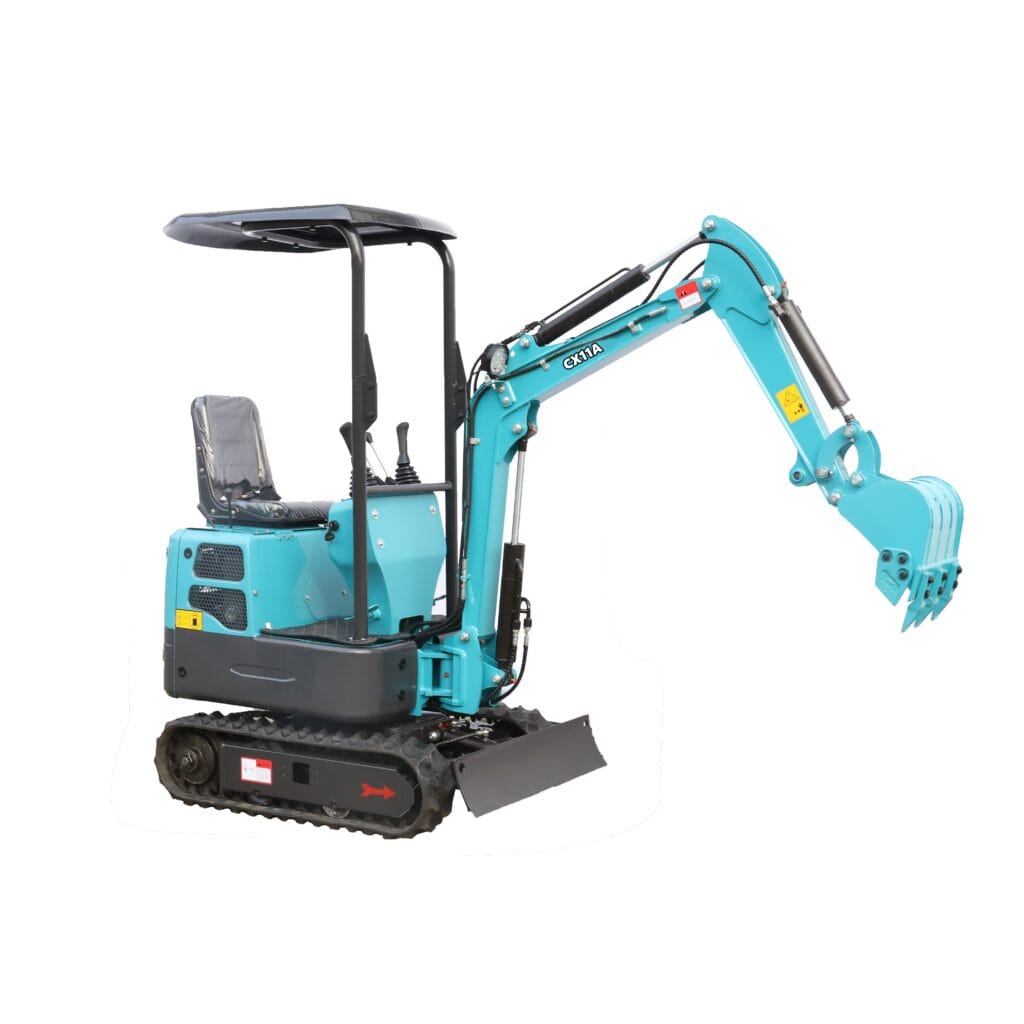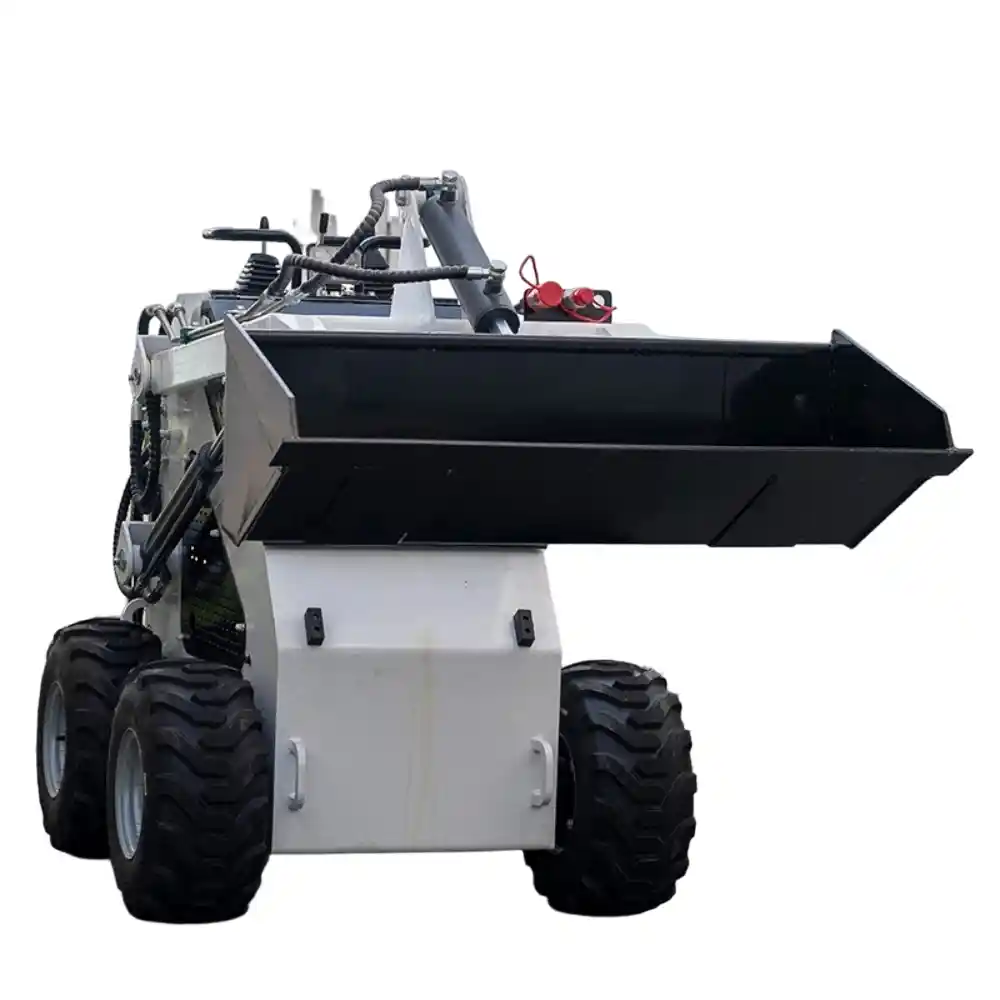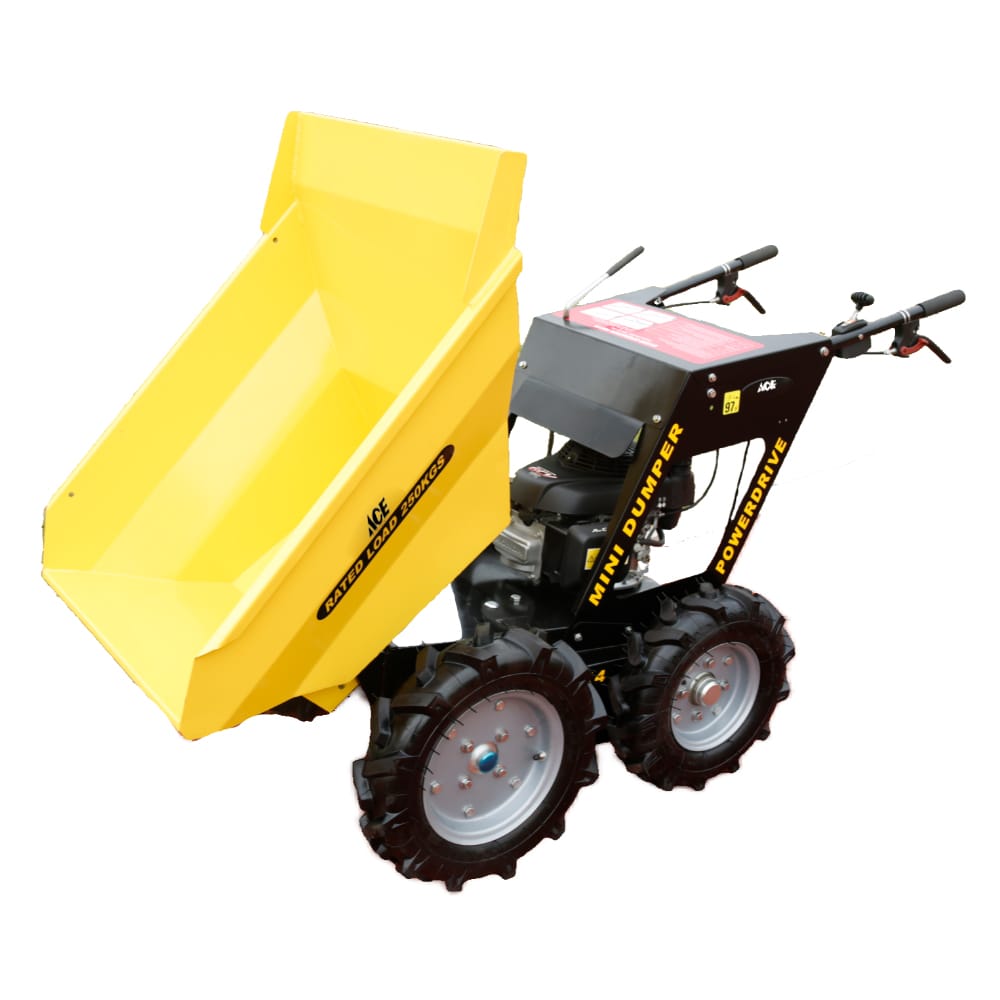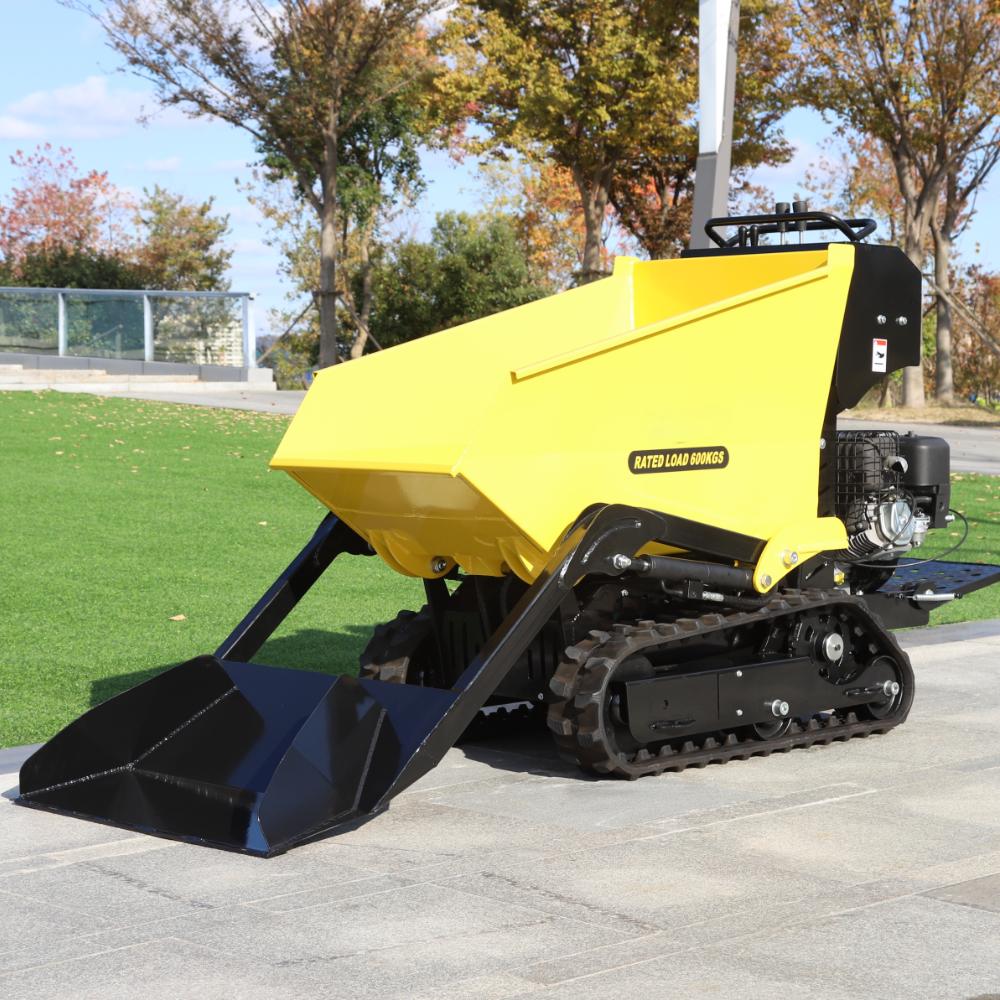

Backhoe loaders, often referred to as “two-in-one machines,” are among the most versatile construction machinery. Combining the functions of a loader and an excavator, they are crucial equipment for road construction, landscaping, and municipal engineering.
What is a Backhoe Loader?
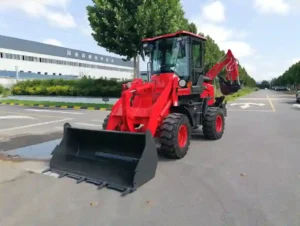
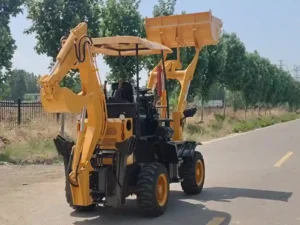
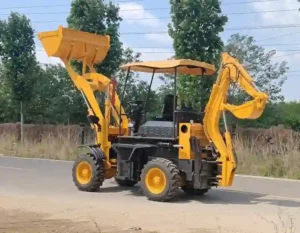
A backhoe loader is a compact, multi-functional piece of construction machinery that integrates two main tools: a front bucket and a rear digging arm (or excavator arm). The front bucket is used to push, lift, and load materials such as soil, gravel, or sand, while the rear digging arm is used for digging and… trenching operations. This unique design allows a single operator to efficiently handle multiple tasks on a work site.
How does a backhoe loader work?
A backhoe loader operates using a powerful hydraulic system driven by the machine’s engine. The hydraulic system provides pressure that drives the movement of the loading arm, digging arm, and stabilizer. The operator can rotate the seat in the cab to switch between loading and digging modes. This system enables smooth and precise control, making this small tractor-mounted backhoe loader suitable for both light and heavy-duty work.
How to Use a Backhoe Loader Safely and Efficiently
1. Pre-Operation Checks
Check tire pressure and for oil or coolant leaks.
Check all linkages, pins, and hydraulic hoses for wear or damage.
Check engine oil, hydraulic oil, coolant, and fuel levels.
Clean the windshield and rearview mirrors to ensure clear visibility.
2. Starting and Moving the Machine
Use the handrails and foot pedals to enter the cab, always maintaining three-point contact. Before starting the engine, ensure all levers are in neutral and the parking brake is engaged. Allow the engine to warm up before operating the hydraulic system. Release the brakes and move using the forward/reverse levers. Steering is like driving a regular vehicle, but always maintain a safe speed.
3. Operating the Loader Functions
Orient the seat towards the front of the boom.
Push the lever forward to level the bucket on the ground.
Move forward slowly, scooping up material. Then pull the lever back to raise the boom.
To unload, tilt the bucket forward or use the dump function.
4. Operating the Backhoe Function
Rotate the seat 180° to face rearward.
Extend the stabilizer for balance.
Use the left joystick to raise or lower the boom.
Use the right joystick to extend or retract the bucket and roll it up.
Always maintain smooth, controlled movements while digging to prevent machine instability.
How Often Should Backhoe Loaders Be Maintained?
Regular maintenance is crucial for extending the lifespan of new backhoe loaders and ensuring safe operation.
- Daily: Check engine and hydraulic fluid levels, inspect tires and hoses, and clean the machine.
- Every 250 Hours: Change engine oil and filter, and check the hydraulic system for leaks.
- Every 500 Hours: Replace hydraulic filter, lubricate all joints, and check the cooling system.
- Annually: Conduct a comprehensive inspection of the engine, transmission, and braking system.
Following this maintenance schedule will help keep your backhoe loader in optimal condition, reduce downtime, and increase work efficiency.
Advantages of Using a Backhoe Loader
Versatility: Integrates loading and digging functions into a compact machine.
Cost-Effectiveness: Reduces the need for multiple machines on the same site.
Compact Design: Ideal for space-constrained or urban construction sites.
Ease of Operation: User-friendly control systems improve productivity and safety.
Attachment Compatibility: Compatible with hydraulic breakers, augers, and forklifts, expanding functionality.
How to Choose the Right Backhoe Loader
When purchasing a new backhoe loader, factors such as horsepower, digging depth, lifting capacity, and hydraulic system should be considered. Power: For contractors working on small to medium-sized projects, small tractor-style backhoe loaders achieve a perfect balance between performance and maneuverability. For heavier workloads, full-size backhoe loaders offer greater digging force and material handling capacity.