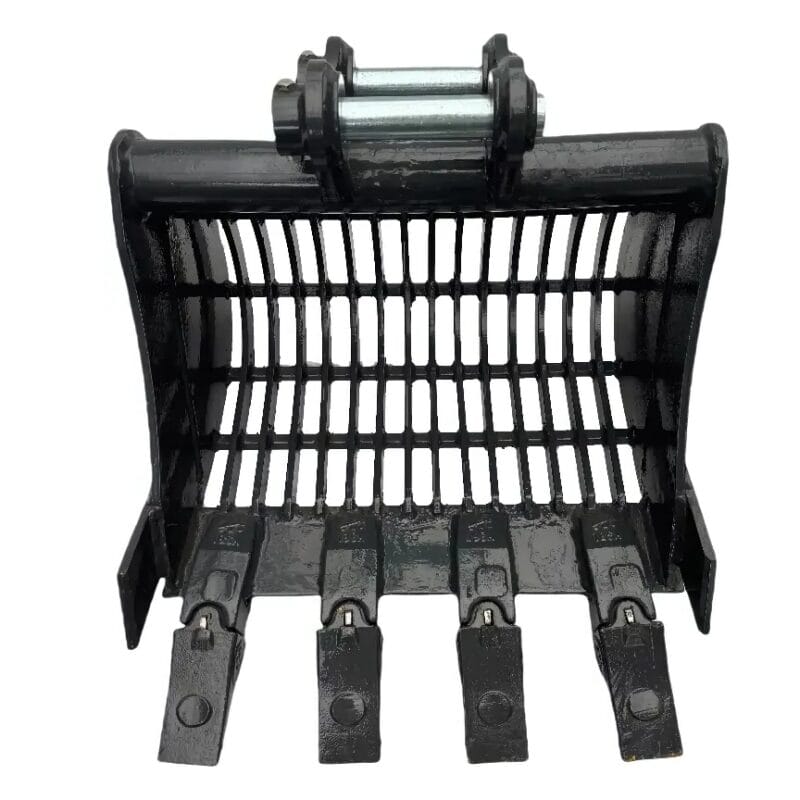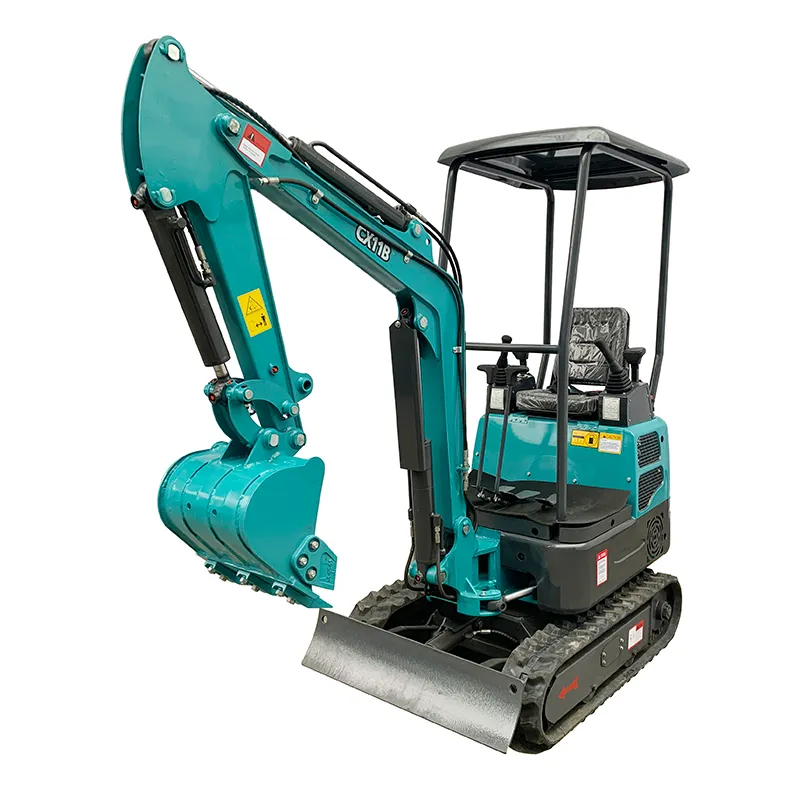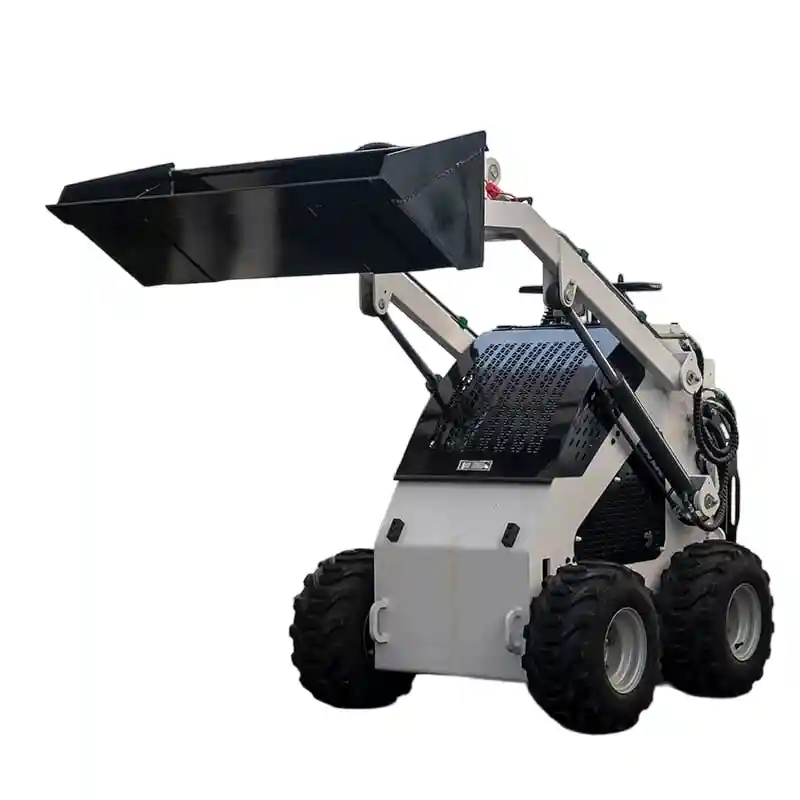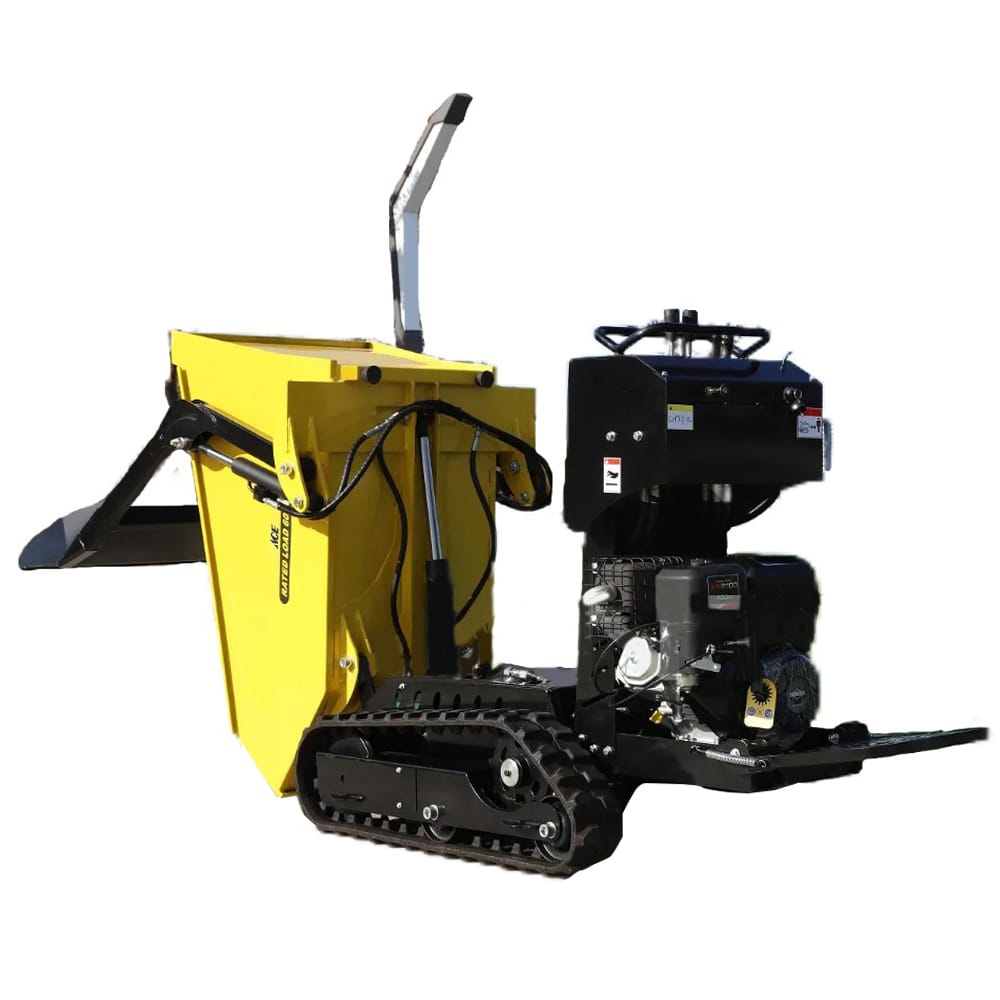

A mini excavator root rake is an attachment for clearing roots, brush, rocks and debris while allowing loose soil to fall through the tines. It is not just another bucket with a different face. A bucket digs and carries everything together, including useful soil. A root rake separates, sorts and cleans. On landscaping, farm, forestry, demolition cleanup and site preparation jobs, that difference can save time, reduce manual sorting and make the finished ground cleaner. Buyers who are still comparing tool types can start by reviewing the attachment options available for compact excavators.
For contractors, dealers and fleet owners, the value of a mini excavator root rake comes from using the excavator more intelligently. Instead of scooping a messy mix of roots, soil, stones and branches, the operator can comb through the surface, collect unwanted material and leave much of the soil behind. In plain language, the rake helps the machine do the “picking and sorting” work that nobody on the crew is excited to do by hand.
Why a Root Rake Is Different From a Bucket
A standard bucket is excellent for digging, trenching and loading. However, when the job is clearing brush or separating debris from soil, the bucket often grabs too much material at once. This creates extra hauling, extra dumping and sometimes extra frustration. An excavator rake attachment works differently. Its spaced tines hold larger debris while smaller soil particles can drop back to the ground.
This makes the attachment useful when the goal is not deep excavation but cleaner surface preparation. Fence lines, orchard rows, garden renovation areas, drainage edges, demolition cleanup zones and small forestry paths often need this type of work. The operator can pull roots, collect branches, gather stones and clean the surface without removing a large amount of good soil. That is good for productivity and better for the site.
Best Jobs for a Mini Excavator Root Rake
The most common application is clearing brush, vines, roots, branches and light vegetation after cutting or site clearing. The rake can pull through the surface layer, gather unwanted material and organize it into piles for removal. This is useful before grading, planting, trenching, fencing or road access work. On home-building and yard improvement jobs, it also helps to understand where compact excavators are commonly used around residential sites.
A land clearing rake for excavator work is also helpful after storm damage or light demolition. Broken timber, rocks, loose roots and mixed debris can be collected more neatly than with a bucket alone. For farms and landscaping contractors, this is especially valuable because the ground often needs to stay usable after the cleanup. Nobody wants to clear brush and accidentally export half the topsoil with it.
How the Rake Works in Real Ground Conditions
The rake works best when the operator uses a controlled angle and steady movement. The tines enter the surface lightly, pull through the material and allow soil to fall through. If the operator digs too deeply, the rake may disturb more ground than needed. If the angle is too shallow, it may skim over roots and leave too much behind. Good technique is less about force and more about feel.
This point is important for compact excavators. A 1–3.8 ton mini excavator has excellent flexibility, but it is not a giant forestry machine in miniature disguise. The operator should avoid forcing the rake into large stumps, deeply buried roots or heavy rock layers beyond the machine’s ability. A root rake for mini excavator use performs best when it is used for cleaning, sorting, loosening and gathering, not for extreme ripping.
How to Choose the Right Excavator Rake Attachment
Match the rake to excavator size
The rake must match the excavator’s operating weight, lifting ability and coupler dimensions. A rake that is too wide may look impressive, but it can create too much resistance and reduce machine control. It may also place extra stress on the boom, arm and coupler. Buyers should check rake width, attachment weight, pin size and working radius before ordering. Before confirming an order, it is worth checking pin size, hydraulic flow and attachment weight compatibility.
Choose tine spacing by material type
Tine spacing decides what the rake catches and what it lets pass through. Narrow spacing collects smaller debris but may hold more soil and clog more easily. Wider spacing lets soil fall through faster but may miss smaller branches or stones. Brush clearing, root cleanup, rock sorting and demolition debris handling may each require a different balance. Buyers should choose the rake based on the material they handle most often, not based only on appearance.
Check steel strength and weld quality
A root rake works in abrasive conditions. Roots, stones, hard soil and broken timber create impact and bending force. Strong steel tines and reliable welding help the attachment keep its shape during long-term use. For dealers, this matters because customers judge attachment quality after months of real work, not after five minutes in the showroom. A rake that bends too easily will not create repeat buyers.
Should You Use a Root Rake With a Thumb?
A hydraulic thumb or mechanical thumb can make the rake more useful when the job involves grabbing and carrying irregular debris. The rake loosens and gathers material, while the thumb helps hold branches, roots or broken timber during lifting. This combination is helpful when loading a trailer, building debris piles or moving material across the site.
However, not every job requires a thumb. If the main task is surface raking, soil separation and windrow formation, the rake alone may be enough. Buyers should first decide whether they need to collect and transport debris or simply separate and organize it. That simple question can prevent unnecessary cost.
Common Mistakes to Avoid
The first mistake is using a root rake like a heavy-duty ripper. It can loosen roots and debris, but it is not designed to replace a ripper tooth for deep hard breaking. The second mistake is choosing a rake that is too large for the excavator. More width is not always more productivity if the machine loses control. The third mistake is ignoring pin size and quick hitch compatibility. A strong attachment is not helpful if it cannot fit the machine properly.
The best results come from matching the attachment to the machine and the material. That sounds basic, but on real jobsites, basic decisions often decide whether the work feels smooth or turns into a long afternoon of “why is this not working?”
FAQ
What is a mini excavator root rake used for?
It is used for clearing brush, roots, branches, rocks and jobsite debris while allowing loose soil to fall through the tines. It is common in landscaping, forestry, farm maintenance and site preparation.
Is a root rake better than a bucket for clearing brush?
Yes, when the goal is to separate debris from soil. A bucket is better for digging and loading soil, while a root rake is better for gathering roots, brush and rocks with less soil loss.
How do I choose the right root rake for a mini excavator?
Check excavator weight, pin size, coupler dimensions, rake width, attachment weight, tine spacing and steel strength. The rake should match the machine’s stability and working limits.
Final Thought
A mini excavator root rake is a practical attachment for cleaner site preparation and faster debris handling. When the rake size, tine spacing and machine capacity match the ground condition, a compact excavator can clear, sort and organize material more efficiently than with a bucket alone. For contractors and dealers, that means less hand labor, cleaner work and a stronger reason to recommend the right attachment package.
Need help matching a root rake to your mini excavator? You can send ACE Machinery your excavator size, pin dimensions and working material, and our team can help recommend a suitable attachment configuration.