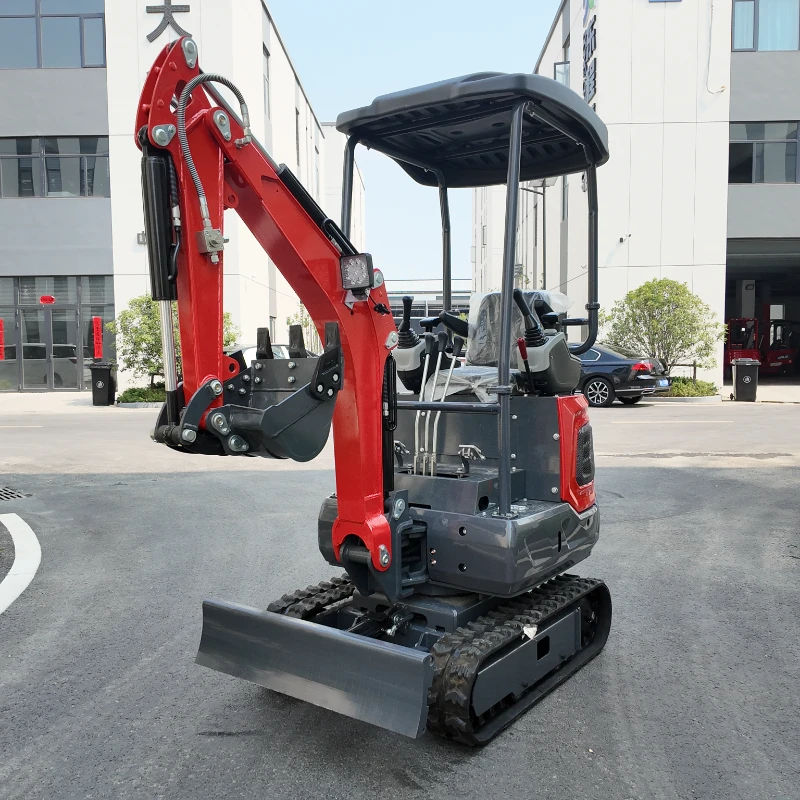

How Mini Excavator Dealers Can Build a Smarter Spare Parts Inventory
Selling a mini excavator is a good start, but the job does not end when the machine leaves the yard. Customers still need filters, seals, pins, hoses and other replacement parts to keep their equipment working. When a small but important part is missing, a machine worth thousands of dollars can end up sitting idle while everyone waits for a much cheaper component.
That is why a good spare parts inventory matters. The goal is not to fill a warehouse with everything a supplier can sell. It is to keep the right parts available, know when to reorder them, and make sure each part fits the machine it is intended for. For mini excavator dealers, importers and rental companies, a simple, well-managed system can save time, reduce avoidable downtime and make after-sales support more reliable.
1. Start With the Machines Your Customers Actually Use
Before deciding which parts to stock, look at the machines already working in your market. Record their models, serial numbers where available, engine configurations, delivery dates and commonly used attachments. These details help you estimate future maintenance needs and avoid buying parts for machines you rarely support.
Two mini excavators may look almost identical, yet use different filters, hydraulic fittings or undercarriage components. Even machines sold under the same model name can have different configurations. Ordering by appearance alone is a bit like buying shoes because they are the same color: it might work, but it is not a reliable purchasing method.
Keep machine identification records together with part numbers, supplier references and photos of the original components. When a customer requests a replacement, your team can check the details before placing the order rather than discovering a compatibility problem after the shipment arrives.
If you are still deciding which machines to bring into your market, our guide to planning a compact equipment dealer inventory explains how machine selection, customer demand and parts support fit into the wider stocking decision. Once you know which machines you support, you can make better decisions about the parts they are likely to need.
2. Decide Which Spare Parts Deserve Shelf Space
Not every part needs the same stocking strategy. A filter used during routine servicing is different from an expensive hydraulic pump that may be needed only occasionally. Both can be important, but keeping the same quantity of each would rarely make sense.
A practical starting point is to divide parts into four groups:
| Parts category | Examples | What to consider |
|---|---|---|
| Routine service parts | Engine, fuel and hydraulic filters | Service intervals and the number of supported machines |
| Common wear parts | Bucket teeth, pins and bushings | Actual replacement frequency and working conditions |
| Repair and maintenance items | Seals, O-rings and hydraulic hoses | Dimensions, material, pressure rating and compatibility |
| Major components | Hydraulic pumps, travel motors and other assemblies | Cost, failure impact, availability and supplier lead time |
This is a starting framework, not a universal stocking list. A rental fleet working in rocky ground may use wear parts differently from a contractor mainly digging soft soil. Local demand and machine configurations should guide the final selection.
Start with parts that have predictable demand and a clear maintenance purpose. Then review components that can cause lengthy downtime if they are unavailable. Expensive, slow-moving parts may be better managed through planned ordering or an agreed supplier support arrangement than by keeping every possible component on the shelf.

3. Calculate When to Reorder
Guessing when to reorder often leads to one of two problems: buying too early and tying up cash, or buying too late and leaving a customer waiting. A reorder point gives your purchasing team a clear trigger for placing the next order.
Reorder point = Expected demand during supplier lead time + Safety stock
Suppose your dealership uses an average of four filter sets per week. Your supplier normally takes three weeks to replenish them, so expected demand during that period is 12 sets. If you choose to keep five extra sets as safety stock, your reorder point is 17 sets. These numbers are illustrative only; they are not ACE Machinery’s actual sales, usage or delivery figures.
In this example, you should review replenishment when your inventory position reaches 17 sets. For purchasing purposes, define inventory position consistently. A practical calculation is:
Inventory position = Available stock + Confirmed incoming stock − Stock committed to customers
Without accounting for customer commitments and incoming orders, a stock report can look healthy while the parts available for the next customer are already spoken for.
Safety stock provides a buffer against unexpected demand or delivery delays. It should reflect the actual risk of each part, not simply be an arbitrary extra quantity. If supplier lead times vary widely or demand is unpredictable, review purchasing history before deciding how much protection to keep.
4. Let Lead Time and Downtime Risk Guide Your Decisions
Two parts can have similar demand but require different stocking decisions. One may arrive quickly from a nearby supplier, while another needs a longer production and shipping process. The second part may deserve earlier replenishment even if it sells less often.
- How often have customers requested or replaced it?
- How long does replenishment actually take, including production and transport?
- What happens if a machine is unable to work while waiting for the part?
- Is the component expensive, model-specific or difficult to source elsewhere?
These questions help distinguish an inconvenient shortage from one that could cause serious downtime. For parts with irregular demand, a simple average may be misleading. Check maintenance records, customer requests and supplier delivery history before increasing stock.
For expensive components, compare the cost of holding inventory with the cost and risk of waiting for a confirmed order. A dependable supplier relationship, clear identification records and realistic lead-time information can sometimes be more useful than buying every major component in advance.
5. Check Compatibility Before Placing an Order
A well-calculated reorder point will not help if you order the wrong part. Before purchasing, confirm the machine model, serial number where available, part reference and any important dimensions or connection details. For hydraulic components, check the required fittings and specifications rather than relying on appearance alone.
Keep records of supplier part numbers, compatible machine configurations and any confirmed replacement or superseded part numbers. If the reference is unclear, send the supplier the machine details and clear photos before the order is placed.
This step is especially important for dealers supporting several machine models or customers with different configurations. A few minutes spent checking compatibility can prevent return shipping, extra delays and an unhappy customer who expected the machine to be working that morning.
The same principle applies when preparing new equipment for overseas delivery. Our mini excavator delivery and setup checklist for overseas buyers covers delivery checks, initial setup and after-sales communication. Planning spare parts alongside the delivery process helps buyers know what information and support they may need after the machine arrives.

6. Review Your Inventory Every Month
A spare parts plan should change as your customer base grows. A part that moves slowly today may become essential when more machines of the same model enter service. On the other hand, a component bought for an older configuration may sit unused if demand has disappeared.
Set aside time each month to review stockouts, emergency purchases, unused inventory, open orders and actual supplier lead times. A simple spreadsheet can track each part number, compatible models, available quantity, committed quantity, incoming orders, average demand, lead time and reorder point.
Pay particular attention to parts that repeatedly run out and parts that have not moved for a long time. Repeated shortages may indicate that the reorder point is too low or the supplier lead time has changed. Slow-moving stock may need smaller orders, a different stocking policy or purchase-on-demand treatment.
The aim is not to make the spreadsheet complicated. It is to help your team answer three questions quickly: What do we have? What will we need next? What should we order now?
Frequently Asked Questions
What spare parts should a mini excavator dealer stock first?
Start with correctly matched routine service parts and common wear items supported by actual customer demand. Then consider parts that could cause significant downtime and take a long time to replace. The best initial stock list depends on the machine models, working conditions and supplier availability in your market.
How do you calculate a spare parts reorder point?
Estimate the expected demand during supplier lead time, then add an appropriate safety-stock allowance. Review actual consumption and delivery records regularly, especially when demand changes or deliveries are inconsistent.
Should dealers stock expensive hydraulic components?
Not automatically. Compare the cost of holding the component with its likely demand, downtime impact and replenishment time. For expensive, low-demand components, planned ordering or supplier-supported availability may be more practical than local stock.
How can dealers avoid ordering the wrong replacement part?
Record the machine model and serial number where available, verify the part reference, and check dimensions and connections when needed. If compatibility is uncertain, ask the supplier to confirm the application before placing the order.
Build an Inventory Around Your Customers
A useful spare parts inventory is not a warehouse full of everything. It is a practical plan built around the machines your customers operate, the parts they use, and the time it takes to replace them.
Start with accurate machine records, prioritize parts by demand and downtime risk, set sensible reorder points and review the results every month. These habits make purchasing easier to manage and help customers get back to work sooner.
If you are planning a mini excavator fleet or arranging after-sales support, contact ACE Machinery with your machine models and parts requirements to discuss compatible equipment and available support options.