

A new compact equipment dealer does not usually get into trouble because there are too few machines in the yard. More often, the problem is the opposite: too many models, too many versions, and too much money tied up in machines that nobody has asked for yet.
A factory catalogue may contain dozens of useful products, but a dealer does not need to own one of each. In NAEDA’s 2025 Cost of Doing Business Study, new equipment inventory represented 40.75% of total assets for dealers with $200–600 million in annual sales and 31.17% for dealers above $600 million. These are large North American dealerships, so a new compact-equipment dealer should not use those figures as targets, but they make the basic problem clear: machines sitting in the yard are also capital sitting still.
A sensible compact equipment dealer inventory plan starts with the jobs customers actually bring in, then works backwards to the machines, attachments and parts needed to cover those jobs.
Start With the Work Your Customers Actually Do
Before deciding which models to order, look at the local customer mix.
Landscapers often care about narrow access, trenching, grading and auger work. Small contractors may need more digging depth, lifting ability and material handling. Rental customers usually want simple controls, common attachments and machines that can do several different jobs without a long explanation at the counter.
That is also how machine selection works on the technical side. Our mini excavator buying guide looks at access width, digging depth, soil conditions, hydraulic demand and attachment use rather than choosing an excavator only by engine power.
For the dealer, those technical questions become stocking decisions.
If most enquiries are for drainage, backyard excavation and landscaping, mini excavators probably deserve more space in the first order. If customers are mainly moving pallets, handling material and swapping attachments all day, skid steers or mini loaders may deserve more attention.
The machine should follow the work. It should not be the other way around.
Keep the First Stock Mix Simple
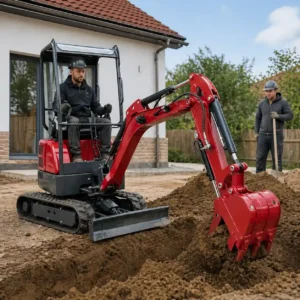
A new dealer usually does not need equal quantities of every machine family. It is easier to manage the first order in three groups.
| Stock level | Typical machines | Why |
|---|---|---|
| Core Stock | Common mini excavators, standard-flow skid steers or mini loaders, standard buckets | Broad use and repeat enquiries |
| Secondary Stock | Tracked dumpers, larger excavators, selected higher-spec machines | Useful where local work supports them |
| Special Order | High-flow loaders, unusual sizes, specialist attachment packages | Higher cost and lower sales frequency |
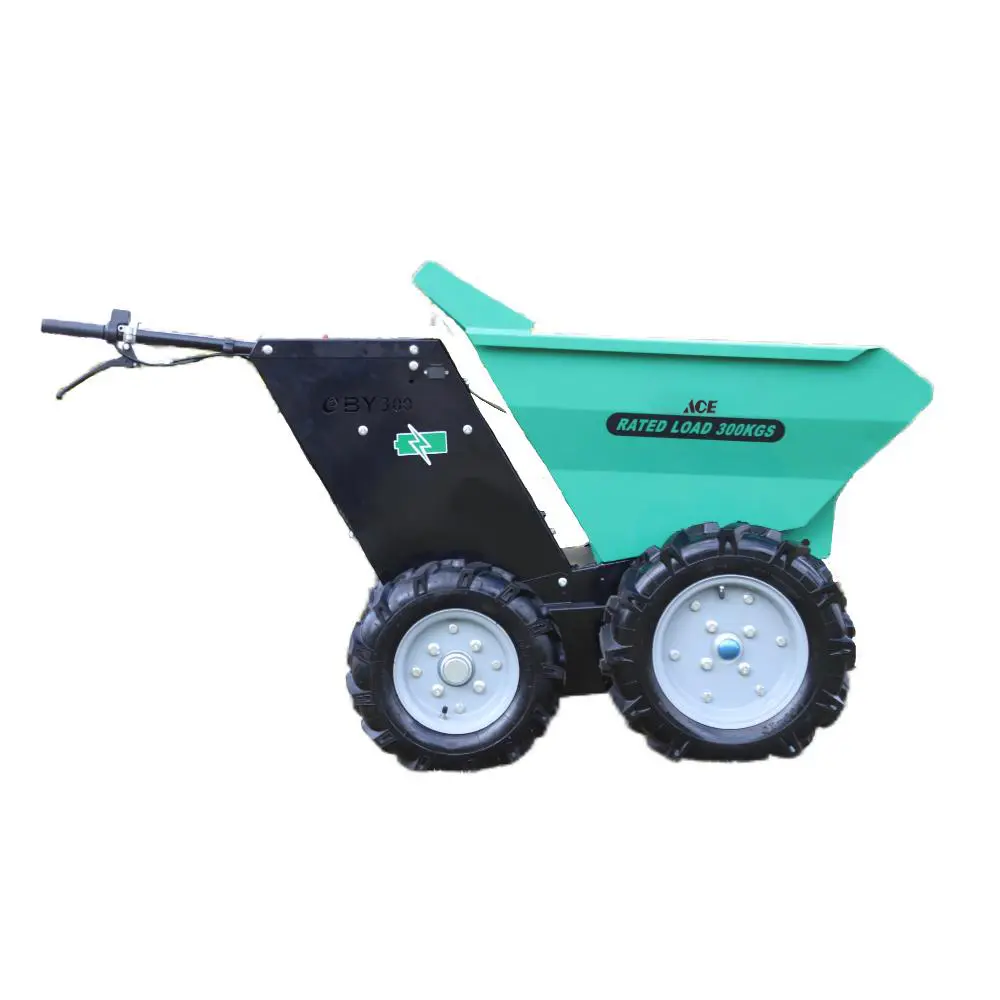
Dealers serving landscaping, small construction or rental customers may also keep dumpers as secondary stock. The mini dumper buying guide explains how payload, terrain and power type change the buying decision.
There is also no rule saying every extra product has to be another large machine. For customers involved in paving, trench work, road maintenance or concrete jobs, smaller concrete and compaction equipment such as plate compactors, tamping rammers, walk-behind rollers and concrete saws can broaden the dealer’s product mix without tying up as much capital as another excavator or loader.
The important part is not having the longest model list. It is having enough stock depth in the models people actually ask for.
Mini Excavators and Skid Steers Should Cover Different Jobs
For many compact-equipment dealers, mini excavators and skid steers are natural candidates for core stock because they solve different types of work.
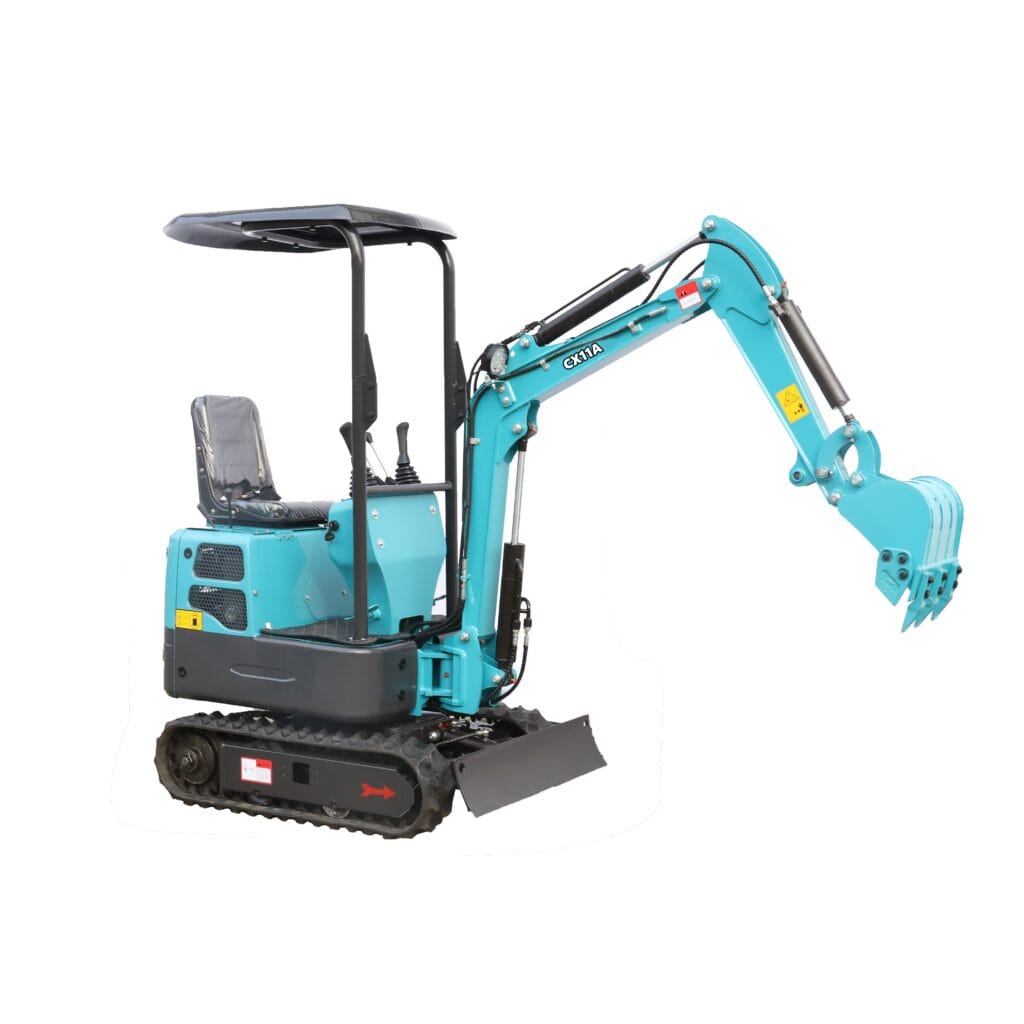
With mini excavator dealer inventory, it makes more sense to think in size classes than individual model numbers. A small machine can cover narrow-access landscaping and utility work. A larger general-purpose model can serve customers who need more digging depth, lifting ability or heavier attachments.
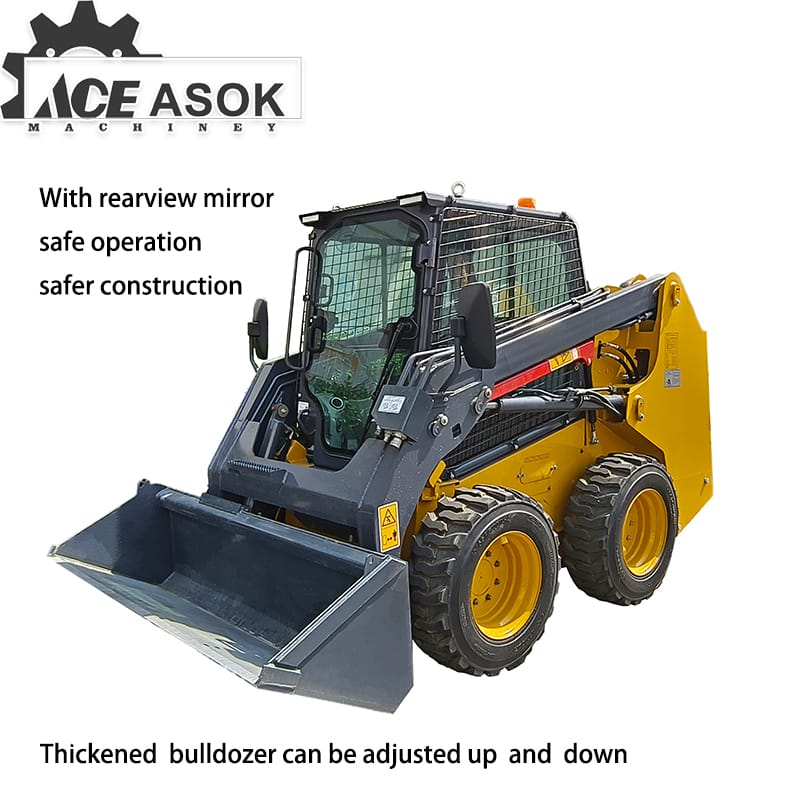
Skid steers need a slightly different stocking approach because attachment demand matters so much. The skid steer hydraulic flow and attachment guide explains how hydraulic flow, rated operating capacity and attachment requirements change what a machine can realistically do.
A standard-flow loader can cover many everyday buckets, forks, augers and grapples. High-flow units make more sense when customers repeatedly ask for mulchers, cold planers or other demanding hydraulic tools.
That does not make standard flow “better.” It simply gives the dealer a wider everyday use case before high-flow demand has been proven.
Parts and Attachments Need Their Own Budget
A dealer can sell a machine once. Parts and attachments can keep bringing the customer back.
NAEDA’s 2025 Dealer-Manufacturer Relations Survey found that 94% of dealers rated parts availability as fairly or very important, while 92% said the same about product technical support. Product availability itself was rated important by 85%.
That is worth remembering when deciding how many machine families to carry.
Attachment stock should also be standardised where possible. Our guide to mini excavator attachment compatibility explains why pin size, hydraulic flow and attachment weight need to match before a bucket, auger or breaker can be treated as common dealer stock.
Parts deserve a planned budget as well. In NAEDA’s 2025 dealer benchmark, parts and accessories produced gross margins of 30.06% for $200–600 million dealers and 26.98% for dealers above $600 million. Those figures are not profit forecasts for a new compact-equipment business, but they show why filters, seals, hoses and pins should not be whatever money is left after machine purchasing.
Before widening the product range, dealers should also check whether the supplier can support the machines already being sold. Our guide to evaluating a Chinese mini excavator manufacturer covers factory capability, quality control, compliance, spare parts and dealer support.
Know What to Stock and What to Order Only When Needed
Some machines need to be available immediately. Others do not.
A basic compact excavator that customers ask for every week is a strong stocking candidate. An unusual high-flow loader with a specialist attachment package may be better supplied to order.
The reason is simple: slow-moving inventory still costs money while it waits. NAEDA reported that high inventory levels and higher interest rates helped increase annual interest expense by about $750,000 for dealers in the $200–600 million sales group and $3.8 million for dealers above $600 million. Those are much larger businesses than a new compact-equipment dealership, but the same problem exists on a smaller scale.
A machine can sit perfectly still and still cost money every month.
Concrete can sit in the yard without complaining. Inventory needs a better excuse.
Watch Inventory Turnover Before Buying More Models
Sales numbers alone can be misleading.
NAEDA’s 2025 study reported total inventory turnover of 2.52 times per year for dealers with $200–600 million in sales and 2.82 times for dealers above $600 million. The same report noted that inventory turns fell even though sales volume increased.
That is why the next order should be based on more than units sold.
Watch days in stock, enquiry volume, gross margin, attachment sales, parts demand and supplier lead time. If one mini excavator keeps selling and customers repeatedly ask for the same specification, order more of that machine.
If another unit has spent six months being washed, moved around the yard and photographed for social media, adding a second one will not solve the problem.
It will simply give the first one a friend.
FAQ
What compact equipment should a new dealer stock first?
Start with machines that cover several common local jobs. In many markets, that means one or two useful mini excavator sizes, a versatile skid steer or mini loader, common attachments and fast-moving service parts.
How many models should a new dealer keep in stock?
There is no fixed number. A better question is whether the dealer can sell, service and support each model properly without spreading working capital too thinly.
Should a dealer stock mini excavators or skid steers first?
It depends on the customer base. Excavators suit digging, drainage and landscaping work. Skid steers suit material handling and attachment-heavy jobs. A mixed contractor or rental market may justify both.
Which machines are better for special order?
Expensive machines, uncommon size classes, high-flow configurations and specialist attachment packages are good candidates until customer enquiries show enough repeat demand to justify regular stock.
Build the Yard Around Repeat Demand
A good compact equipment stock mix does not need to look like the whole factory catalogue.
It needs machines that customers recognise, attachments they can actually use, parts the dealer can supply quickly and enough stock depth to avoid losing everyday sales.
Start with the jobs that come up repeatedly. Keep the first model families reasonably simple. Set aside money for parts and attachments from the beginning, and check how quickly machines are moving before widening the range.
The aim is not to have one of everything.
It is to have the machine the customer is most likely to ask for next.