
Skid Steer Loader Guide: How It Works, What It Can Do, and How to Choose the Right One
If you have ever looked at a skid steer loader and thought, “It is small, but it seems to do everything,” you are not wrong. A skid steer loader is one of the most flexible machines on a jobsite. It can load, lift, push, clear, grade, carry, and even dig with the right attachment. That is exactly why so many contractors, farmers, and site managers keep one close by. It is compact, quick, and always seems ready for the next job.
Still, choosing the right machine is not as simple as picking the one with the biggest engine or the boldest brochure. A proper skid steer loader guide should help you understand how the machine works, what jobs it is truly good at, how it compares with Compact Track Loaders, and what factors matter most before you buy or use one. Once you understand those points, the machine stops looking like a small loader with attitude and starts making real business sense.
What Is a Skid Steer Loader?
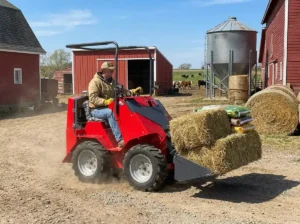
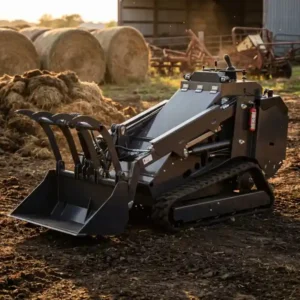
A Skid Steer Loader is a compact construction machine designed to work in tight spaces while handling a wide range of tasks. It uses lift arms to connect with different attachments, and that is where much of its value comes from. With one machine, you can switch from a bucket to pallet forks, from an auger to a sweeper, and from moving soil to clearing a yard. In simple terms, it is the multitool of the equipment world, just with more hydraulic power and much less chance of fitting in your pocket.
What makes the skid steer especially useful is its size and turning ability. On crowded jobsites, in farm lanes, or between buildings, large machines often feel like they are trying to park a bus in a bicycle shed. A skid steer loader does the opposite. It moves quickly, turns sharply, and gets useful work done where larger equipment struggle.
How Does a Skid Steer Work?
To understand how does a skid steer work, it helps to ignore the word “steer” for a moment. This machine does not steer in the traditional way. Instead, the wheels on the left and right sides move at different speeds. When one side turns faster than the other, the machine pivots and changes direction. That sliding movement is where the word “skid” comes from.
This steering method gives the machine excellent manoeuvrability, which is one of its biggest strengths. It can turn in a very small area, making it ideal for compact jobsites. At the same time, the machine’s hydraulic system powers both movement and attachments. That is an important point, because a skid steer loader is not just a loader. It is really a compact power unit built to run multiple tools. Once you see it that way, the machine becomes much easier to evaluate.
What Can a Skid Steer Be Used For?
This is one of the most practical questions buyers ask: what can a skid steer be used for? The short answer is a lot. The more useful answer is that it depends on the attachment, the ground conditions, and the size of the machine.
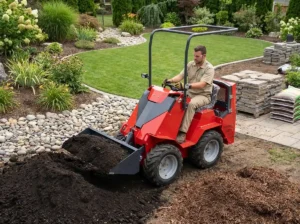
A skid steer loader is commonly used for loading loose material, moving pallets, site clearing, light grading, backfilling, trenching support, snow removal, livestock work, and general property maintenance. It is popular because it saves time. Instead of bringing in several machines for several light-to-medium jobs, one skid steer can often cover most of them in a single day.
That said, versatility does not mean magic. A skid steer can do many jobs well, but it still needs to be matched correctly to the task. A machine that is perfect for loading gravel in a yard may not be ideal for soft muddy ground, and a model that handles a bucket nicely may struggle with heavier hydraulic attachments. So yes, it can do a lot, but it still prefers a smart operator over blind optimism.
Operating Weight, Stability, and Real-World Performance
When buyers compare machines, they often focus on horsepower first because it is easy to understand and easy to advertise. In reality, skid steer loader operating weight stability is just as important, and often more important in daily work. A machine that looks powerful on paper but feels unstable on site will not help productivity for very long.
Operating weight affects how planted the machine feels, especially when lifting or travelling with a load. Stability also depends on rated operating capacity, wheelbase, attachment weight, lift design, and the condition of the ground under the machine. In other words, stability is not one number. It is the result of how the whole machine works together.
A heavier skid steer often feels more secure, especially when carrying loads at low height. However, extra weight is not always better. It may increase transport costs, limit access to some surfaces, and reduce efficiency if the application does not require it. The best choice is not the heaviest machine you can buy. It is the machine that stays balanced, productive, and predictable in your real working conditions.
Why skid steer loader operating weight stability matters
If the machine is too light for the attachment or the working condition, it can feel nervous and unsettled, especially during lifting, turning, or travelling over rough ground. If it is too heavy for the job, it may create unnecessary operating cost and reduce flexibility. That is why operating weight should always be judged together with lift capacity, attachment demand, and surface condition rather than as a stand-alone figure.
Skid Steer vs Compact Track Loader
The comparison between skid steer vs compact track loader is one of the most useful parts of any buying decision. Both machines may look similar from a distance, but they behave quite differently once the ground starts to matter.
A wheeled skid steer is usually better on hard, finished, or abrasive surfaces such as concrete, asphalt, and compacted yards. It tends to travel faster, costs less to buy, and is generally simpler when it comes to tyre service and routine upkeep. If your work is mostly on firm ground, a skid steer loader often gives excellent value.
Compact Track Loaders, on the other hand, are built for softer, wetter, or more uneven terrain. Their wider track footprint spreads the machine’s weight more effectively, which improves flotation and traction. That makes them a strong option on mud, sand, snow, and rough ground where a wheeled unit may lose grip or sink. Of course, nothing comes free in equipment selection. Tracked machines often bring higher undercarriage costs and more maintenance attention, so the smarter question is not which machine looks tougher, but which machine suits your site better.
Skid steer vs compact track loader: which one should you choose?
If your machine spends most of its time on concrete yards, paved surfaces, warehouses, or firm site access roads, a wheeled skid steer is often the more economical choice. If your work involves muddy land, soft soil, wet ground, or demanding traction conditions, a compact track loader usually delivers better stability and productivity. The right answer depends less on appearance and more on terrain, attachment type, and annual usage hours.
What Size Skid Steer Loader Do I Need?
The question what size skid steer loader do I need sounds simple, but it often leads to expensive mistakes when answered too quickly. Many buyers either go too small to save money or go too large because bigger sounds safer. Neither approach is ideal.
Start with the heaviest job the machine will do regularly, not the lightest and not the once-a-year emergency. Then look at the attachment weight, required lift height, site width restrictions, and transport limits. A small frame machine may be perfect for narrow access work, lighter farm jobs, and general maintenance tasks. A mid-size machine often offers the best balance for contractors who need lifting, grading, and flexibility across several jobs. Larger models make more sense when loads are heavier, hydraulic demand is higher, or stability under bigger attachments becomes essential.
What size skid steer loader do I need for daily work?
A good rule is simple: choose the smallest machine that can comfortably and safely do your normal work. If a machine only just manages the job on paper, it will probably annoy you in the field. A loader should not spend its life struggling. It should have enough reserve capacity to stay efficient, stable, and easy to operate during real working conditions.
How to Reduce Skid Steer Maintenance Costs
Every buyer likes to ask about purchase price, but experienced owners also ask how to reduce skid steer maintenance costs. That is the smarter question, because the real expense of a machine often shows up long after the invoice is paid.
The most effective way to reduce maintenance costs is to prevent wear before it becomes a failure. Daily checks on hydraulic hoses, oil levels, filters, tyres or tracks, and couplers may not feel exciting, but they are much cheaper than downtime and emergency repairs. Dirt, neglected fluid changes, poor attachment matching, and repeated operation on unsuitable ground all shorten machine life.
Good maintenance is not about doing fancy things. It is about doing ordinary things consistently. Keep the machine clean, inspect wear points, use the right attachment for the hydraulic capability, and do not ignore unusual noise or vibration. Machines are often polite at first when something is wrong. They usually start with a small warning before moving on to a large invoice.
How to reduce skid steer maintenance costs in practice
To reduce long-term ownership cost, build a simple service routine and follow it without excuses. Check fluids before work, clean the machine after heavy-duty use, inspect hydraulic connections regularly, and pay attention to tyre wear or track condition before damage spreads. Preventive maintenance may not look exciting on a sales brochure, but it is one of the most profitable habits a machine owner can develop.
Final Thoughts
A good skid steer loader guide should leave you with a practical decision path, not just a collection of product terms. First, understand the jobs you need to handle. Then look at the site conditions, the attachment requirements, the operating weight and stability needs, and finally the long-term service cost. That order works much better than starting with brochure headlines and hoping for the best.
A skid steer loader is a compact machine, but it carries a big responsibility on site. When matched correctly, it becomes one of the most efficient tools in a fleet. When matched poorly, it becomes a daily reminder that small mistakes in equipment choice can grow surprisingly large legs. Choose with logic, use with discipline, and the machine will usually return the favour.