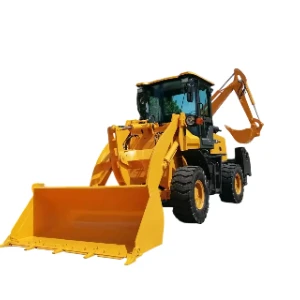

Skid Steer Starts Then Dies Under Load: What the Symptoms Usually Mean
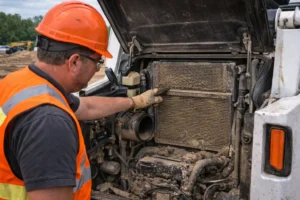
A skid steer starts normally, idles smoothly, and then suddenly dies under load. This is a common problem, and it usually points to a clear fault path. In many cases, the machine is not failing at random. Instead, it is showing that one system can no longer keep up when working demand rises. That is why a skid steer starts then dies under load, or a skid steer loses power under load, more often when driving into a pile, climbing with a full bucket, or using hydraulic functions than when sitting at idle.
When this happens, the real value is not just noticing that the engine stopped. The real value is understanding when it stopped and what the machine was doing at that moment. That detail helps separate a fuel supply problem from a hydraulic overload issue, an air intake restriction, or a heat-related fault. Once you read the symptoms in the right order, the problem becomes much easier to trace.
Why a skid steer runs at idle but dies when working
At idle, the engine needs very little fuel, very little air, and almost no hydraulic effort. The moment the machine starts pushing material, lifting a load, turning sharply, or running an attachment, demand rises fast. Fuel flow must increase, airflow must stay clean, and the hydraulic system must work without dragging the engine down too far.
This is why a machine can look healthy at idle but still fail under real work. A partly blocked fuel filter may still let enough fuel pass for idling. A weak lift pump may still keep the engine alive with no load. A dirty air filter may seem harmless until the engine asks for more air. In the same way, hydraulic pressure that is slightly too high may not show up until the operator asks the machine to travel and lift at the same time.
So when a skid steer idles fine but stalls under load, the fault is often not in the basic starting system. It is usually in a support system that only becomes critical under demand.
The most common reasons a skid steer dies under load

Fuel starvation under load
Fuel supply is one of the first things to check. This is because many machines that die under load are actually suffering from skid steer fuel starvation under load. The engine starts because fuel is present, but once load increases, fuel volume or fuel pressure becomes too low.
This can happen because of a clogged fuel filter, water in diesel, air in the fuel line, a weak lift pump, a restricted pickup tube, or a blocked return line. In the early stage, the engine may not shut off immediately. It may first feel weak, slow to respond, or rough under load. Then it loses RPM and dies.
If your skid steer runs fine at idle and dies when working, this symptom often points to the fuel side before anything else. The same is true when the engine starts normally in the morning but fades during harder work later in the day.
Hydraulic overload

Sometimes the engine is not starving for fuel. Sometimes the hydraulic system is simply asking the engine for too much torque. This is why a skid steer stalls when using hydraulics can be very different from a basic engine fault.
If the machine dies mainly when lifting, steering, or using auxiliary flow, the hydraulic system deserves close attention. A relief valve problem, high internal resistance, a pump control issue, or an attachment circuit fault can all put too much load on the engine. When that happens, the engine may bog down quickly and shut off even though fuel and air supply are acceptable.
This pattern is especially common when the machine works normally at idle, but struggles the moment the operator engages hydraulic functions. If the engine only reacts badly when the hydraulics come in, this is an important clue.
Airflow restriction
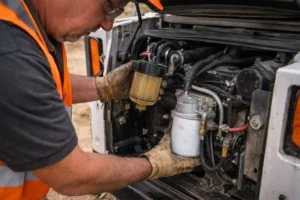
Air is often overlooked because it feels too simple. However, restricted air intake can create very similar symptoms. A dirty air filter, blocked pre-cleaner, collapsed intake hose, or heavy dust buildup around the intake can reduce engine breathing when demand rises.
At idle, the engine may still sound normal. Under load, it may lose power, feel flat, and then stall. In the field, this often looks like a fuel problem, but the real cause is that the engine cannot get enough clean air when it needs it most.
That is why a skid steer loses power under load should always lead you to inspect both the fuel side and the air side. One without the other gives an incomplete picture.
Heat-related faults
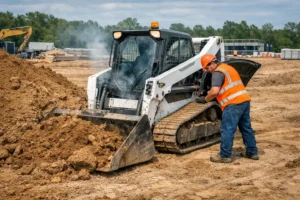
Temperature can also change the pattern. Some machines start well when cold, work for a short time, and then begin to lose power. In that case, heat becomes part of the story.
A skid steer runs then dies when hot may be suffering from rising hydraulic oil temperature, poor engine cooling, fuel weakness that becomes worse with heat, or an electrical component that becomes unstable after warming up. In these cases, the machine may restart after cooling down, which can confuse the diagnosis.
This is why it is important to ask whether the problem happens immediately, only after hard work, or only after the machine reaches full operating temperature. That timing tells you a lot.
What the symptoms usually mean on the jobsite
The machine’s behaviour under real work often tells more than the fault itself. If the skid steer starts fine but dies when pushing into a pile, fuel flow should be checked early. If it dies while lifting and driving together, hydraulic load becomes more likely. If it loses power with an attachment engaged, the auxiliary hydraulic circuit should move higher on the list.
Cold weather can also change the meaning of the symptoms. A machine that loses power in low temperatures may be dealing with diesel gelling, water contamination, or a restricted fuel filter. On the other hand, a machine that works well when cold but stalls when hot points more toward heat buildup, restricted cooling, or a weakening component.
So the symptom should never be read alone. It should always be read together with the work condition. That is how you move from guessing to proper diagnosis.
A smarter way to troubleshoot the problem
A better approach is to start with the simplest question: Does the machine die under engine load, hydraulic load, or both?
If it dies during travel into material, while climbing, or under bucket load, begin with fuel and air checks. If it dies mainly when hydraulic functions are used, inspect the hydraulic system more closely. If it only fails after warming up, look at heat, cooling, and temperature-related weakness.
From there, move through the machine in a practical order. Check fuel quality, water separator condition, fuel filter restriction, air filter cleanliness, intake hoses, hydraulic oil level, cooler blockage, and warning lights. This order saves time because it starts with the most common and most accessible causes before moving into deeper component diagnosis.
This matters because many operators replace expensive parts too early. They jump to injectors, injection pumps, or electronic controls before confirming the basic supply systems. In reality, many cases of skid steer starts then dies under load begin with small restrictions and simple maintenance faults.
Final thoughts
When a skid steer starts well but dies under load, the machine is usually showing one of four things. Fuel cannot keep up. Air cannot flow freely. Hydraulics are overloading the engine. Or heat is pushing a weak system past its limit.
The key is to read the pattern in the right order. Do not focus only on the stall. Focus on what happened just before it. Did the engine lose power slowly, or did it shut off sharply? Did it fail when pushing, lifting, turning, or running hydraulics? Did it happen cold, hot, or both?
Once those details are clear, the problem becomes easier to narrow down. That is the real meaning behind the symptoms, and that is the difference between replacing parts blindly and fixing the true fault.
FAQ
1. Why does a skid steer start and then die under load?
A skid steer that starts normally but dies under load usually has a problem that only appears when demand increases. The most common causes are fuel starvation, hydraulic overload, restricted airflow, or heat-related faults. The machine may idle well, but once it starts pushing, lifting, or using hydraulics, one system can no longer keep up.
2. Can a clogged fuel filter make a skid steer die under load?
Yes. A clogged fuel filter can still allow enough fuel for idling, but not enough for heavy work. When load increases, fuel flow drops, engine power falls, and the skid steer may stall or shut off.
3. Why does my skid steer run fine at idle but die when working?
This usually means the problem is not in the starting system itself. At idle, the engine needs less fuel, less air, and less hydraulic effort. Under load, the demand rises quickly, and weak points such as a blocked fuel filter, dirty air filter, low fuel pressure, or hydraulic overload become more obvious.
4. Why does a skid steer stall when using hydraulics?
If a skid steer stalls when using hydraulics, the hydraulic system may be placing too much load on the engine. This can happen because of a relief valve problem, pump control issue, high circuit resistance, or an attachment circuit fault.
5. Can a dirty air filter cause a skid steer to lose power under load?
Yes. A dirty air filter can restrict intake airflow and reduce engine breathing. The machine may still idle normally, but under load it can lose power, respond slowly, and eventually stall.
6. Why does a skid steer run and then die when hot?
When a skid steer runs well at first and then dies when hot, the cause is often related to rising temperature. Common reasons include cooler blockage, radiator dust buildup, weak cooling performance, hot fuel supply problems, or heat-sensitive components.