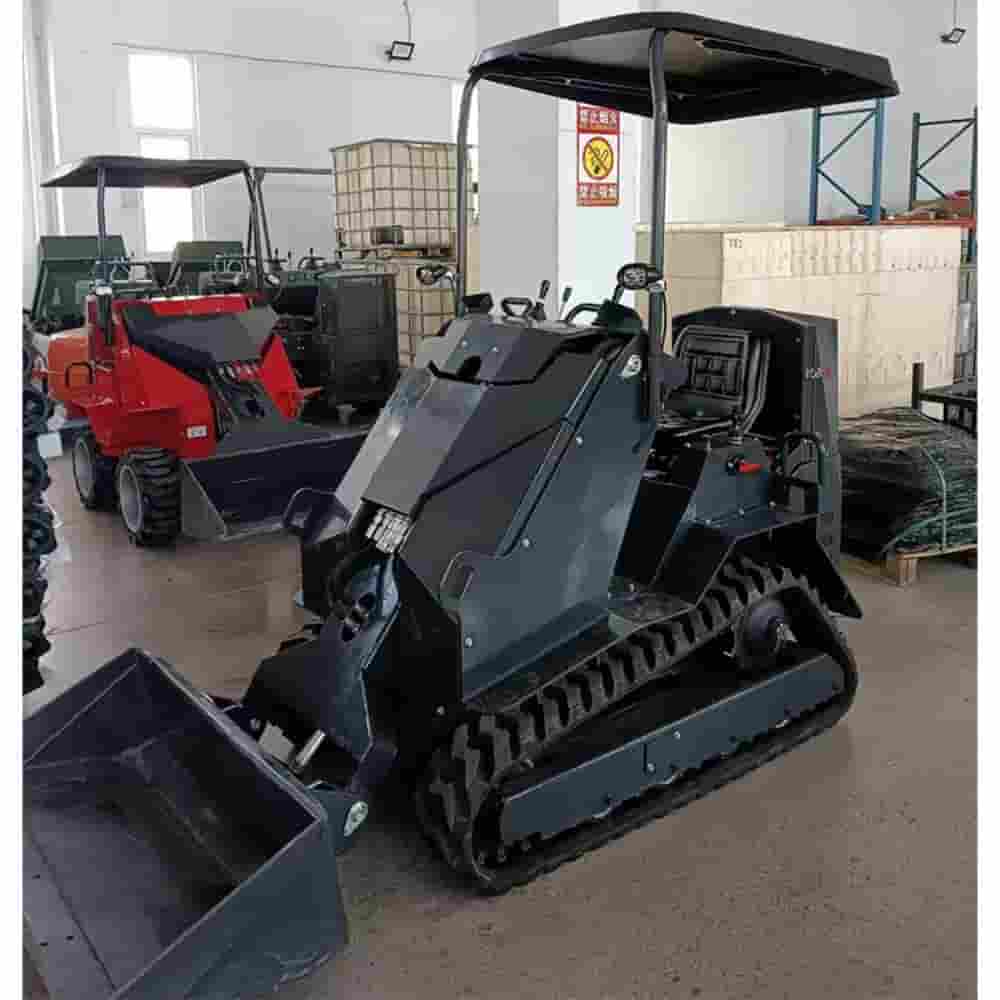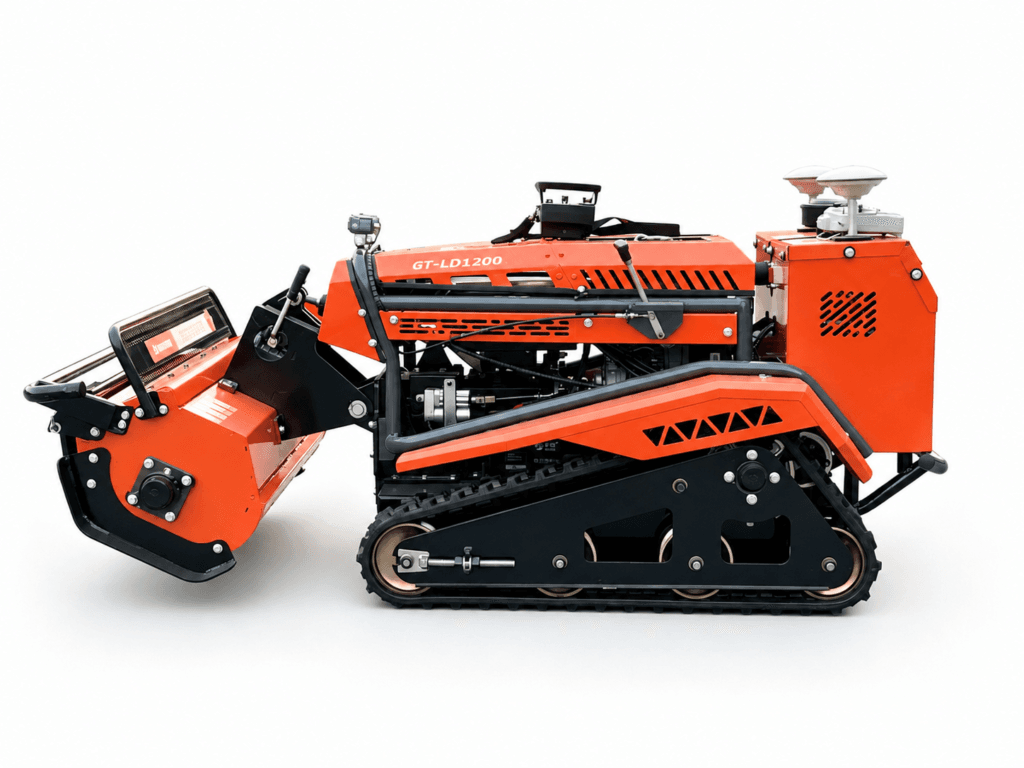

Tracked vs. Wheeled Skid Steers: Which One Is Right for You?
Choosing between a tracked vs wheeled skid steer looks easy until the machine actually touches the ground. On paper, both machines can lift, grade, load and carry. In the real world, the ground gets the final vote. Mud has opinions. Wet grass has opinions. Concrete definitely has opinions. That is why this decision is less about brochure numbers and more about where the machine works every day.
The good news is that the decision is not mysterious. A compact track loader vs skid steer comparison becomes much clearer when you stop asking, “Which one is stronger?” and start asking, “Which one wastes less time on my site?” That single question usually leads you to the right machine far faster than a long look at horsepower charts.
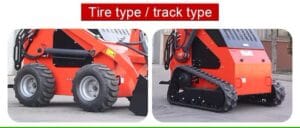
Start with the surface, because the ground usually wins
If your machine spends most of its time on concrete, asphalt, compacted yards or dry construction pads, a wheeled skid steer usually makes more sense. High-ranking comparison pages consistently point out that wheeled skid steers are generally faster on firm terrain, easier to transport, and better suited to hard, paved surfaces where surface disturbance is less of a concern. That makes them a strong choice for urban sites, repeated loading cycles and jobs where quick movement matters more than flotation.
If the machine will spend most of its life on soft ground, wet soil, mud, snow, sand or uneven terrain, the balance changes quickly. Current buyer guides repeatedly explain that compact track loaders perform better in these conditions because their tracked undercarriage spreads machine weight over a larger contact area. That reduces skid steer ground pressure, improves flotation and helps the machine keep moving where wheels may begin to slip or sink. In plain English, tracks do a better job when the site stops behaving nicely.
Traction matters more than most buyers expect
When people compare skid steer tracks vs tyres, they often focus only on whether the machine will sink. That matters, but traction is the bigger productivity issue. On muddy or snowy sites, a wheeled machine may still move, but it often does so with more spin, more rutting and more wasted energy. A tracked machine usually converts more of that power into usable forward motion. That is why CTL vs skid steer traction is such a common search intent in current top-ranking pages. Users are not chasing theory. They want a machine that still works when the ground turns awkward.
That advantage becomes even more important on rough access routes or slopes. Leading comparison pages repeatedly note that tracked machines usually feel steadier on uneven or slippery terrain because they keep more consistent contact with the ground. This does not mean a compact track loader can ignore common-sense operating limits, but it does mean skid steer stability on slopes is often better with tracks than with wheels, especially when conditions are wet, loose or broken.
When tracks make the better engineering choice
Tracks are usually the smarter option when you need the best skid steer for soft ground, when grading over loose fill, when crossing muddy areas after rain, or when working on lawns and finished landscapes where rutting becomes its own expensive project. They also tend to perform better on loose gravel and sand, where wheels can lose grip during repeated turns. In those conditions, a tracked loader often gives the operator a calmer machine and a more predictable working day, which is always nicer than discovering traction limits in front of the customer.
Hard surfaces still favour wheels
Tracks are excellent, but they are not magic footwear. If most of your jobs take place on finished surfaces, a wheeled skid steer often gives better all-round efficiency. Current guides from major equipment and rental sources consistently note that skid steers on wheels are quicker on firm ground, turn sharply, and are better suited to repeated travel on hard surfaces. So if you need the best skid steer for hard surfaces, wheels usually earn the first look.
Surface impact matters too. Multiple current comparison pages warn that tracked machines can be more aggressive on concrete or asphalt, while wheeled units are better suited to those environments. So if your real question is wheeled skid steer on concrete or asphalt, the practical answer is usually yes. On that kind of ground, wheels are often faster, cleaner and less likely to leave expensive reminders behind.
Landscaping, construction and agriculture do not ask the same question
For skid steer for landscaping, tracks are often the better choice when the soil is soft or appearance matters. Lower ground pressure helps reduce turf damage, while better traction makes grading and material movement easier after rain. In landscaping, the machine should do the work, not redesign the lawn.
For skid steer for construction sites, the answer depends on surface condition. On urban and commercial jobs with concrete, asphalt and compacted access roads, wheeled skid steers often make more economic sense. On rougher sites with soft fill, poor drainage or slippery access routes, tracks usually return better jobsite performance. Current construction-focused comparison pages make this trade-off very clear.
For compact track loader for agriculture, tracks often have the edge because farms are rarely famous for perfect, dry, level surfaces. Field margins, feed areas, wet lanes and uneven ground all reward lower ground pressure and stronger traction. If the site changes with the weather, tracks usually cope with that change more gracefully.
Maintenance cost is where wheels answer back
This is the moment when wheels clear their throat and smile. Current dealer and rental comparison pages consistently state that skid steer maintenance cost is typically lower for wheeled machines. Tyres cost less to replace than tracks, and a wheeled undercarriage is simpler to service. Recent dealer guidance also notes that CTLs usually carry higher ownership and maintenance costs because the track system and undercarriage have more wear components and higher replacement expense.
That is why the real question is not only, “Which machine is cheaper to buy?” It is, “Which machine is cheaper per productive hour on my ground?” On hard surfaces, wheels often win that calculation. On soft sites, a tracked machine may cost more to maintain, but it can recover that difference through better traction, fewer delays and less rework. So yes, are wheeled skid steers cheaper to maintain? Usually yes. Are they always cheaper to own overall? Not if the jobsite keeps humiliating them.
Final answer: which one is right for you?
Choose a tracked skid steer if your work is mainly on mud, soft ground, snow, slopes, sand, loose gravel or uneven terrain. Choose a wheeled skid steer if your jobs are mainly on concrete, asphalt, dry pads and finished surfaces where speed, manoeuvrability and lower service cost matter more.
That is the simplest and most profitable rule. If the ground is soft, tracks usually win. If the ground is hard, wheels usually do. It may sound almost too sensible, but equipment decisions are like that. The best choice is usually the one that feels slightly less exciting and much more useful.
FAQ
Are tracked skid steers better than wheeled skid steers?
Not always. Tracked machines are usually better on soft, wet, uneven or slippery ground. Wheeled machines are usually better on hard, dry and finished surfaces.
Which skid steer is best for soft ground?
A compact track loader is usually the better choice for soft ground because tracks reduce ground pressure and improve flotation and traction.
Are wheeled skid steers better on concrete and asphalt?
Yes, in most cases. Current comparison guides consistently recommend wheels for paved or finished surfaces because they travel faster and are less aggressive on those surfaces.
Do tracked skid steers cost more to maintain?
Usually yes. Tracks and undercarriage parts are generally more expensive to replace and maintain than tyres and wheel systems.
Is a compact track loader better for landscaping?
Often yes, especially on soft lawns or wet sites where lower ground pressure and reduced rutting matter.