
Why Is My Skid Steer Overheating? 4 Causes & Prevention Tips
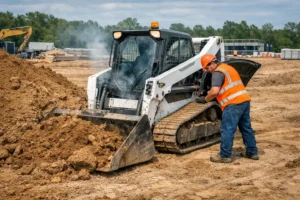
A skid steer overheats when its engine or hydraulic system creates heat faster than the cooling package can remove it. The first sign may be an engine coolant warning, a hydraulic oil temperature alarm, reduced attachment performance or a machine that starts running hot after working normally for a while.
Although these symptoms may look similar from the operator’s seat, they do not always point to the same problem. For example, the CASE TR340B uses separate warnings for engine coolant temperature and hydraulic oil temperature. An excessive hydraulic oil temperature warning is treated as a critical condition that may require the machine to stop. That is a useful reminder: when the warning light comes on, the skid steer is not asking for encouragement. It is asking for an inspection.
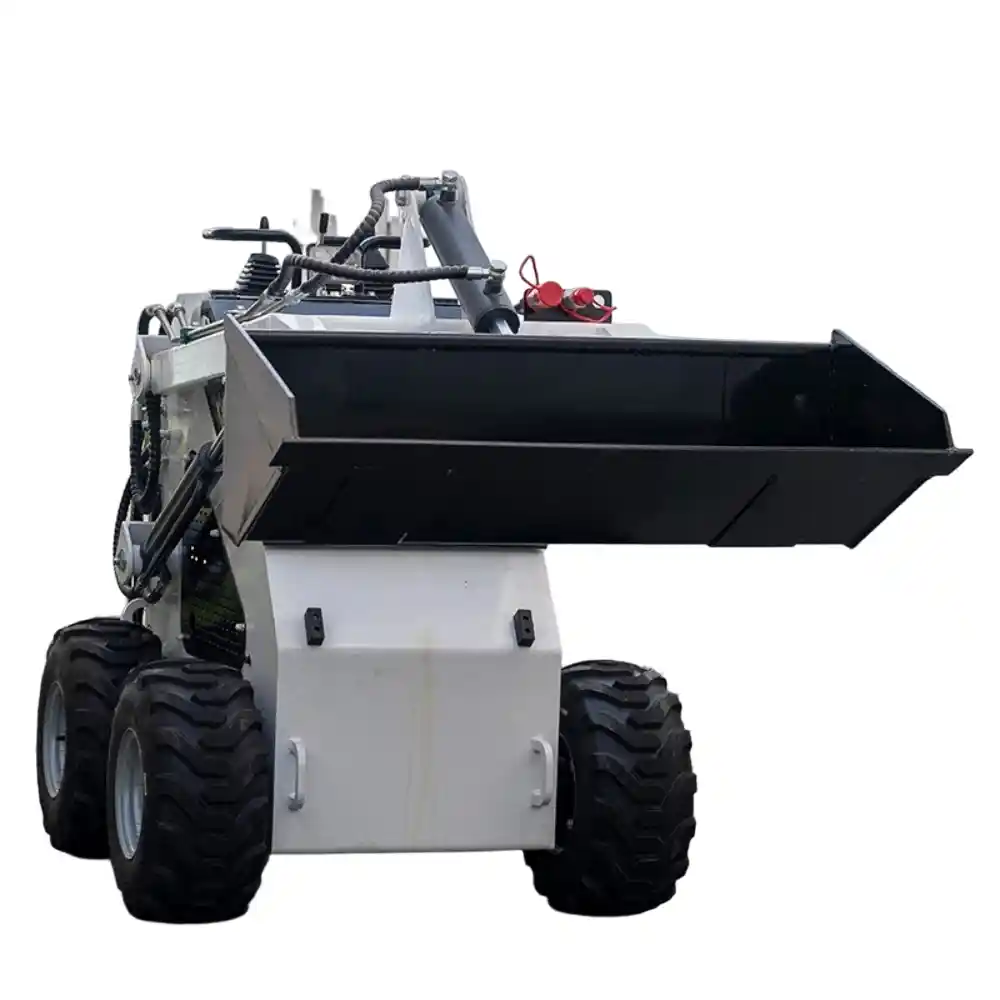
The time it takes for the warning to appear can help with diagnosis, but it should not be treated as a universal rule. A compact stand-on loader and a larger enclosed-cab skid steer do not produce or remove heat in the same way. The ACE S55 skid steer loader, for example, has a listed engine output of 36.8 kW, while smaller machines use much lower-power engines. Cooler size, hydraulic demand, attachment type and ambient temperature all change how quickly a machine heats up.
Is the Engine or Hydraulic System Overheating?
Before replacing parts, identify which temperature is actually rising. An engine coolant warning directs attention toward the radiator, coolant level, fan, thermostat and water pump. A hydraulic oil warning points more strongly toward the oil cooler, hydraulic filter, auxiliary circuit, attachment pressure and return-line restriction.
It also helps to record the conditions at the time of the warning. Note the ambient temperature, engine speed, attachment type, working load and approximate operating time. “The machine gets hot” is not very useful to a technician. “Hydraulic temperature rises after 25 minutes while running a brush cutter at full flow” gives the troubleshooting process a clear starting point.
| Operating pattern | Priority inspection |
|---|---|
| Temperature rises soon after startup | Fan operation, coolant circulation, thermostat or temperature sensor |
| Temperature rises gradually during normal work | Radiator cleanliness, coolant level and cooling airflow |
| Temperature rises only under heavy load | Cooling capacity, hydraulic pressure and operating method |
| Hydraulic temperature rises with one attachment | Flow, pressure, couplers, return line and case drain |
1. A Clogged Radiator or Oil Cooler Restricts Airflow
A radiator may look clean from the outside while still being blocked deeper inside the cooling package. On the CASE TR340B, the aftercooler, engine radiator and hydraulic oil cooler are arranged in a three-layer stack. Dust, grass, concrete powder and oily debris can collect between these layers, where a quick glance will not find them.
For this reason, inspect the complete airflow path rather than cleaning only the visible screen. Use a work light to check between accessible cooler sections and confirm that air can pass through the fins. Caterpillar includes radiator inspection in its daily walkaround guidance and advises operators not to use high-pressure water directly on the fins. Bent fins may look cleaner, but they also reduce the open area available for airflow—which is a poor trade.
In demolition, forestry, mowing and agricultural work, debris can build up quickly. A morning inspection may therefore not be enough for the whole shift. The correct cleaning frequency depends on the jobsite, not on the calendar.
2. Coolant Level, Condition or Circulation Is Inadequate
Low coolant reduces the amount of heat the system can carry away from the engine. The loss may come from a cracked hose, loose clamp, weak cap, damaged reservoir or a leak that appears only after the system becomes hot and pressurized.
Coolant condition matters as well. Incorrect or contaminated coolant can contribute to corrosion, deposits and poor cooling-system reliability. Caterpillar identifies coolant contamination as one possible cause of radiator corrosion and engine overheating.
Check the coolant only when the machine is cool and follow the procedure in the operator’s manual. Inspect hoses for cracks, swelling and dried residue around joints. Repeatedly topping up the reservoir without finding the leak is not a repair; it is simply giving the problem more time to become expensive.
Coolant replacement intervals also vary by formulation and machine model. As one manufacturer-specific example, CASE states that its Extended-Life OAT coolant is designed for up to 4,000 operating hours or four years without a booster or supplemental additive. This interval should not be copied across every brand, but it shows why the coolant type must be confirmed before setting a service schedule.
3. The Fan, Belt, Thermostat or Water Pump Is Not Working Properly
The cooling system needs two things: airflow through the radiator and coolant circulation through the engine. If either one is weak, heat begins to build.
A worn belt may look acceptable while slipping at higher engine speed. A hydraulic or electric fan may work intermittently or fail to reach its required speed. A thermostat that does not open can restrict flow to the radiator, while a damaged water-pump impeller may circulate enough coolant during light work but struggle under sustained load.
The best approach is to check these components in a sensible order. Confirm that the fan responds as the machine warms, inspect the belt and tensioner, look for leaks and compare the temperature display with the machine’s actual condition. Replacing the thermostat, water pump and half the engine bay before checking the fan may keep the parts department happy, but it is not efficient troubleshooting.
4. Hydraulic Demand Creates More Heat Than the Cooler Can Remove
Skid steer hydraulic overheating often appears during continuous attachment work. This is because an attachment depends on both oil flow and operating pressure.
CASE describes typical standard-flow skid steer systems as delivering 17–24 gpm at approximately 3,000–3,500 psi. High-flow systems generally deliver 30–38 gpm at similar pressures, while enhanced high-flow systems may operate at up to 4,000 psi.
| Hydraulic example | Flow | Pressure | Theoretical hydraulic power |
|---|---|---|---|
| CASE TR340B high flow | 37.6 gpm | 3,050 psi | About 66.9 hp |
| CASE TR340B enhanced high flow | 35 gpm | 4,000 psi | About 81.7 hp |
| ACE S55 listed system values | 55 L/min, or 14.5 gpm | 21 MPa, or 3,046 psi | About 25.8 hp |
These figures use Parker Hannifin’s hydraulic output formula:
Hydraulic hp = gpm × psi ÷ 1,714.
The table shows why flow alone cannot describe attachment performance. The CASE enhanced circuit has slightly lower flow than the standard high-flow option, but its higher pressure produces more theoretical hydraulic power.
The ACE S55 product page lists 55 L/min of hydraulic flow and 21 MPa of system pressure. These values equal approximately 25.8 hydraulic hp before efficiency losses. Buyers should still confirm whether the listed flow is available at the auxiliary circuit because total system flow and usable attachment flow are not always the same figure.
Hydraulic horsepower is not the same as heat load. However, more heat is created when power is lost across a relief valve, restricted coupler, undersized return hose, clogged filter or inefficient attachment motor. CASE also recommends operating a large attachment around 5%–10% below its maximum pressure where conditions allow, rather than running it fully loaded at all times.
For a deeper explanation, see the ACE guide to skid steer hydraulic flow, rated operating capacity and attachment matching.
What Should You Do When a Skid Steer Runs Hot?
Remove the working load, lower the attachment to a safe position and follow the shutdown procedure in the operator’s manual. Do not continue heavy work simply because the machine has not shut itself down yet.
After the machine has cooled safely, inspect the radiator, oil cooler, coolant level, visible leaks, fan, belt and hydraulic couplers. Note whether the engine coolant or hydraulic oil temperature increased first. When the problem occurs with only one attachment, compare that attachment’s required flow, pressure, return-line size and case-drain arrangement with the carrier specifications.
How to Prevent Skid Steer Overheating
Include the radiator, cooler screens, coolant level, hoses and visible leaks in the daily walkaround. In high-debris environments, inspect the cooling package more frequently based on actual buildup.
At scheduled service intervals, use the specified coolant and hydraulic oil, replace filters on time and make sure attachment couplers are clean and fully connected. Before installing an attachment, confirm four items: required flow, operating pressure, return arrangement and case-drain requirement.
Buyers can compare available configurations in the ACE skid steer loader range. Dealers looking for a wider product catalogue can also review the ACE ASOK skid steer loader collection.
Skid Steer Overheating FAQ
Why does my skid steer overheat only under load?
The cooling system may be partly restricted, or the hydraulic circuit may be operating close to relief pressure. Check radiator airflow first, then compare the attachment requirements with the loader’s auxiliary flow and pressure.
Can a clogged hydraulic oil cooler cause engine overheating?
Yes, especially on machines with stacked cooling packages. A blocked oil cooler may restrict airflow reaching the engine radiator and increase the total heat handled by the cooling system.
Why does my skid steer overheat with a brush cutter or mulcher?
Continuous-flow attachments create sustained hydraulic demand. Incorrect flow, excessive pressure, a restricted return line or a missing case drain can turn useful hydraulic power into extra heat.
Can I continue working after a temperature warning?
No. Remove the load and follow the manufacturer’s shutdown procedure. Continuing to work before finding the cause increases the risk of fluid degradation and component damage.
Final Diagnosis
Skid steer overheating is best treated as a heat-balance problem rather than proof that one particular part has failed. First identify which system is hot, then reproduce the operating condition safely and separate restricted cooling from excessive heat generation.
A clean cooling package, correct fluids, reliable fan and coolant circulation, and properly matched hydraulic attachments provide the strongest practical protection against recurring overheating. In other words, keep the air moving, keep the fluids correct and make sure the attachment is not asking the hydraulic system to perform magic.
External technical references: