
Why You Need a Mini Excavator
A mini excavator may look small, but on many job sites, it works like a quiet problem solver. It can dig, lift, grade, trench and move through tight areas without turning the whole site into a mud festival. For contractors, landscapers, utility teams and rental businesses, this is exactly why a mini excavator has become such a useful machine.
The real question is not simply, “Can it dig?” Of course it can. The better question is, “Can it make the job easier, faster and cleaner?” In many small construction sites, residential projects, drainage jobs and landscaping works, the answer is yes. A well-matched mini excavator gives you digging power, hydraulic control, stable movement and better access, all in one compact machine.
Why You Need a Mini Excavator for Tight Spaces
Many real work sites are not wide, flat and friendly. They have narrow gates, garden walls, finished paving, trees, fences, underground pipes and sometimes one very nervous homeowner watching every bucket movement. This is where a mini excavator for tight spaces becomes very useful.
A compact machine can enter areas where a larger excavator may not fit. It can work beside buildings, inside gardens, along pavements and around existing structures. This saves time because the operator does not need to fight the site layout before starting the real job.
Good mini excavator manoeuvrability in confined spaces also improves safety. When the machine can turn, dig and reposition smoothly, there is less risk of damaging walls, lawns, pipes or nearby equipment. In simple words, it does not behave like an elephant in a kitchen. It works with control.
For small contractors, this advantage is important. Many jobs are not large enough for a full-size excavator, but they are too hard for manual digging. A mini excavator fills that gap perfectly.
Better Digging Power Without Oversized Machinery
Some people hear the word “mini” and think “weak”. That is a mistake. A mini excavator is smaller, but that does not mean it cannot work hard. Its real digging performance depends on the engine, hydraulic system, bucket force and machine balance.
Engine power gives the machine its basic strength. However, power alone is not enough. The hydraulic system must transfer that power smoothly to the boom, arm, bucket, travel motor and swing system. This is why mini excavator hydraulic system benefits should never be ignored.
A good hydraulic system gives the operator smoother control. The bucket moves with less shaking, the boom reacts faster, and grading becomes easier. This is especially useful during trenching work, where accuracy matters. A messy trench may still be a trench, but your pipe installer may not thank you for it.
For mini excavator for trenching work, stable hydraulic flow is very important. The machine must dig straight, keep a clear trench shape and remove soil efficiently. If the hydraulic response is poor, the operator wastes time correcting the trench instead of finishing the job.
Operating Weight and Stability Matter More Than Many Buyers Think
When choosing a mini excavator, many buyers first look at digging depth, engine brand or machine width. These are important points, but mini excavator operating weight and stability can decide how confident the machine feels during real work.
A very light machine is easy to transport, but it may feel unstable when digging hard soil or lifting wet material. A heavier machine may feel stronger, but it may be harder to move and may leave more marks on soft ground. The best choice is not always the lightest or the heaviest. The best choice is the one that matches your job.
For trenching, grading, small demolition and attachment work, stable operating weight helps the machine stay planted. When the boom reaches out or the bucket is full, the machine should not rock like a boat on a windy day. Good stability helps the operator work faster and with more confidence.
Counterweight design also plays a key role. A suitable counterweight helps balance the machine during digging and swinging. This is useful when working with buckets, breakers, augers or hydraulic thumbs. If the machine feels stable, the operator can focus on the work instead of worrying about every movement.
Travel Motor and Swing System Improve Daily Efficiency
A mini excavator does not just sit in one place and dig all day. It has to travel across rough ground, turn around obstacles, climb small slopes and swing repeatedly while moving soil. That is why mini excavator travel motor performance and swing system design are very important.
The travel motor affects how well the machine moves on soil, gravel, slopes and uneven ground. On landscaping sites, farms and small construction projects, the ground is rarely perfect. A strong travel motor helps the machine move smoothly instead of struggling at every turn.
The swing system is also important. When the machine digs a trench and places soil to the side, the upper structure must rotate smoothly. If the swing movement is rough, the operator becomes tired faster, and the work may look less clean. If the swing system is stable, loading, trench cleaning and grading become easier.
For engineers, this is a key point. Productivity is not only about digging force. It is also about how quickly and smoothly the machine repeats each movement. A small delay in every cycle becomes a big delay after hundreds of cycles.
One Machine Can Handle Many Small Job Site Tasks
Another reason why you need a mini excavator is versatility. With the right bucket or attachment, one machine can handle many different tasks. It can dig trenches, clean ditches, shape ground, remove roots, prepare foundations, break small concrete areas and load soil into a dumper.
For landscaping projects, a mini excavator can dig ponds, remove tree stumps, level garden areas and prepare drainage lines. For utility work, it can dig around pipes and cables with better control than a larger machine. For farm maintenance, it can clean ditches, repair tracks and handle small earthmoving jobs.
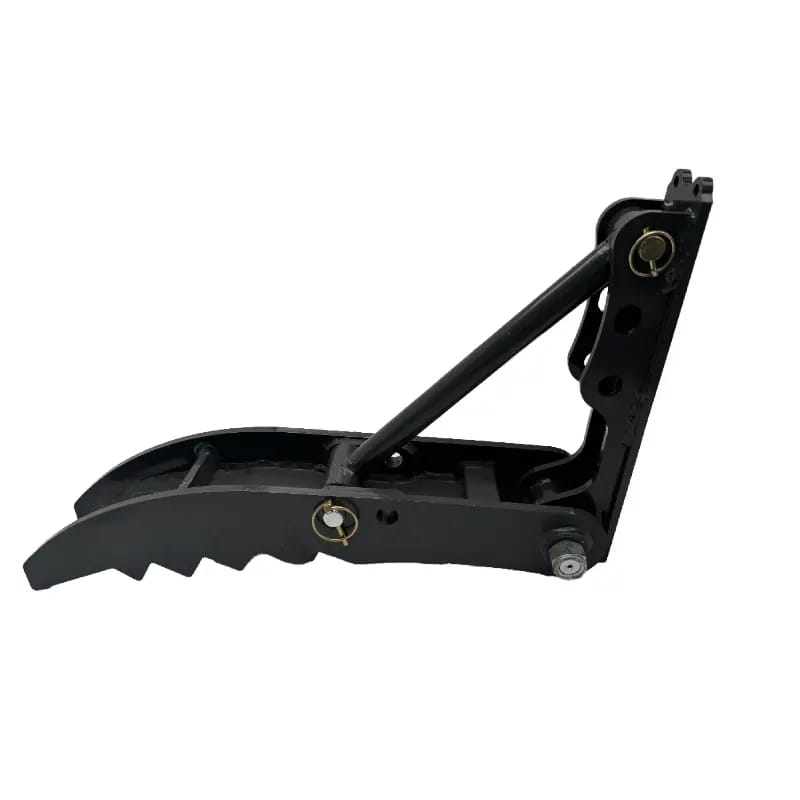
Attachments make the machine even more useful. A breaker can help with concrete removal. An auger can drill holes for posts. A thumb can grab stones, logs or waste material. A narrow bucket can dig clean trenches. This means one compact machine can replace several tools and save a lot of manual labour.
Mini Excavator vs Manual Digging
Manual digging still has a place. For a very small hole, a shovel may be fine. But for deep trenches, hard ground or repeated digging, manual work quickly becomes slow and tiring. This is where the comparison between mini excavator vs manual digging becomes very clear.
A mini excavator can complete many digging tasks much faster than a small labour team. It also creates more consistent trench depth and shape. This matters for drainage, pipe installation and cable work, where poor digging can cause problems later.
There is also a safety benefit. Digging by hand for long hours can lead to fatigue and injury. A mini excavator reduces heavy physical work and helps workers focus on checking levels, setting pipes and managing the site. The machine does the muscle work. The team does the smart work.
When to Choose a Mini Excavator Instead of a Large Excavator
Knowing when to choose a mini excavator instead of a large excavator is important. A large excavator is the right choice for deep excavation, heavy lifting and major earthmoving. But for small sites, it may bring more problems than benefits.
A mini excavator is a better choice when access is limited, ground protection matters, transport must be simple, and the job needs careful control. It is ideal for residential projects, narrow construction sites, landscaping work, utility trenches and small demolition jobs.
Using a large excavator for a small project can be like wearing construction boots to step on a Lego brick. Technically, it works. Practically, it may be too much. A mini excavator gives enough power without bringing unnecessary size, cost and ground damage.
Simple Pre-Operation Checks Before Using a Mini Excavator
Before starting work, a short mini excavator preliminary operation checklist can prevent many problems. The operator should check engine oil, hydraulic oil, coolant, fuel, tracks, pins, hoses and visible leaks. The work area should also be checked for soft ground, overhead risks and underground services.
These checks do not take long, but they help protect the machine and the operator. A loose hose or damaged track can stop the job at the worst time. Machines have a strange talent for breaking down exactly when everyone is watching.
Good mini excavator mechanical operation tips for safe digging are also simple. Keep the machine level where possible. Do not overload the bucket. Avoid fast swinging with heavy material. Use the blade for extra stability when needed. Most importantly, match the machine movement to the ground condition.
Final Thoughts
You need a mini excavator when your job needs more power than hand tools, but less size than a full excavator. It is compact enough for tight spaces, strong enough for real digging, and flexible enough for trenching, landscaping, utility work and small construction projects.
The best mini excavator is not just the smallest machine you can find. It should have the right engine power, smooth hydraulic control, reliable travel motor performance and enough operating weight for stability. When these parts work well together, the machine becomes more than a small digger. It becomes a practical worksite partner.
For contractors, engineers and equipment buyers, the value is clear. A mini excavator can save time, reduce labour, protect the worksite and improve job quality. It may be small, but on the right job, it earns its place very quickly.