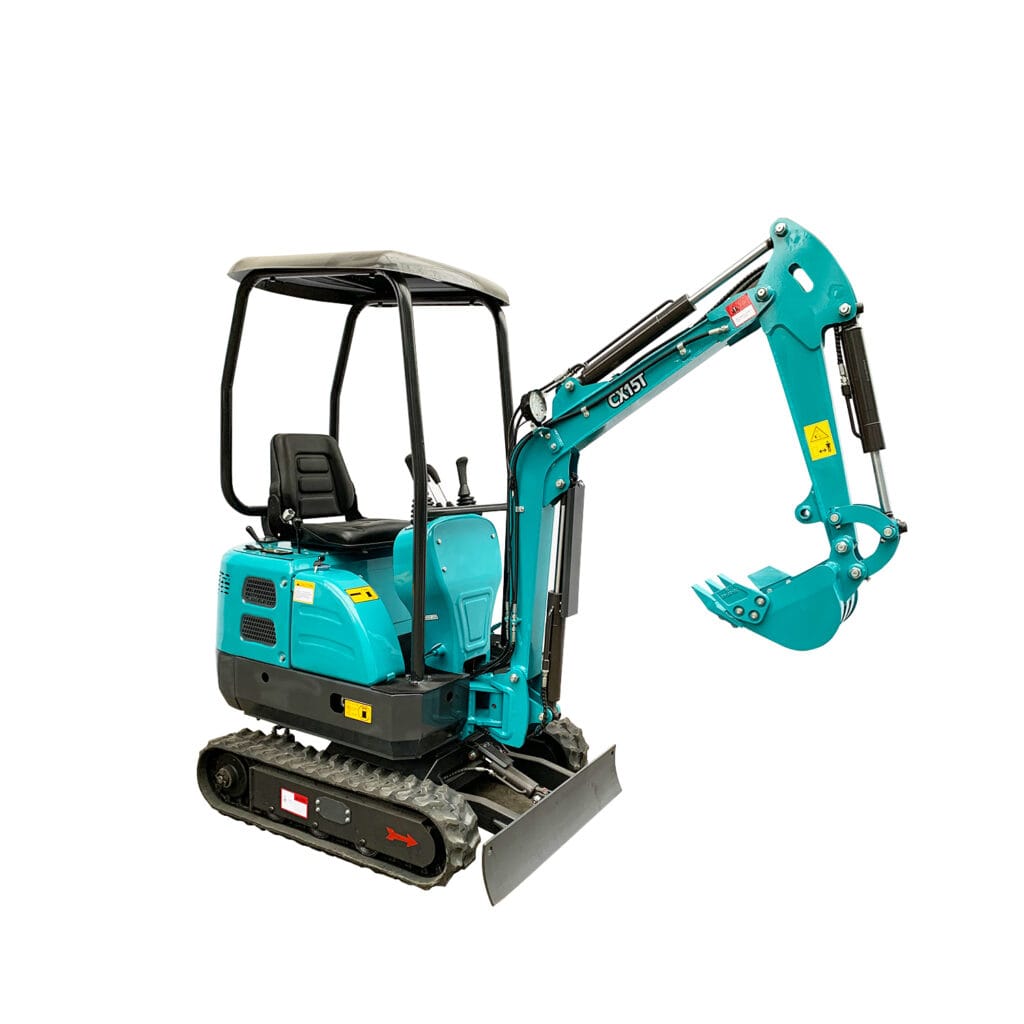

When buyers ask about mini excavator fuel consumption per hour, they usually want a clear number. That is understandable. Diesel is not free, and it does not become cheaper just because the machine looks cute. However, fuel use is not one fixed value. The same mini excavator may use very little fuel while cleaning a shallow garden trench, then drink much more diesel when digging hard clay or running a hydraulic breaker.
This guide explains mini excavator fuel consumption in a simple, practical way. Instead of only asking “how many liters per hour,” buyers should also ask “how much useful work does the machine finish for that fuel?” For contractors, dealers and rental companies, this question is more useful because profit depends on completed work, not on idle engine hours.
What Fuel Consumption Per Hour Really Means
Fuel consumption per hour tells you how much diesel the machine uses while running. That sounds simple, but the number only makes sense when the job is clear. A 1 ton mini excavator may use less fuel per hour than a 3 ton model, but if the smaller machine takes twice as long to finish the trench, the total project cost may not be lower.
This is why fuel economy should be judged together with machine size, digging depth, hydraulic flow, soil condition and operator habits. A correctly sized machine can work smoothly without staying under heavy load all day. An undersized machine may look economical on paper, but on a tough job it can spend the whole day working too hard, like a small dog trying to pull a concrete block. It tries hard, but nobody is having a good time.
For general machine selection, the mini excavator buying guide explains how size, hydraulics and site use should be considered together before purchase.
Mini Excavator Fuel Consumption by Workload
| Workload Level | Typical Jobsite Situation | Fuel Judgment |
|---|---|---|
| Light load | Fine grading, loose soil, shallow trenching, short cycles | Lower hourly fuel use, but idle time can still waste money. |
| Medium load | Normal trenching, utility work, landscaping excavation | Best range for comparing fuel use and real productivity. |
| High load | Hard clay, compacted ground, breaker work, heavy attachments | Higher fuel use is normal; correct machine size becomes very important. |
This table is often more useful than a single average fuel number because most jobs change during the day. A drainage job may start with easy topsoil, move into compacted ground, then finish with backfilling and grading. One simple fuel number cannot describe all of that. A better estimate looks at how many hours the machine spends in light, medium and heavy work.
Main Factors That Change Mini Excavator Diesel Consumption
Hydraulic demand
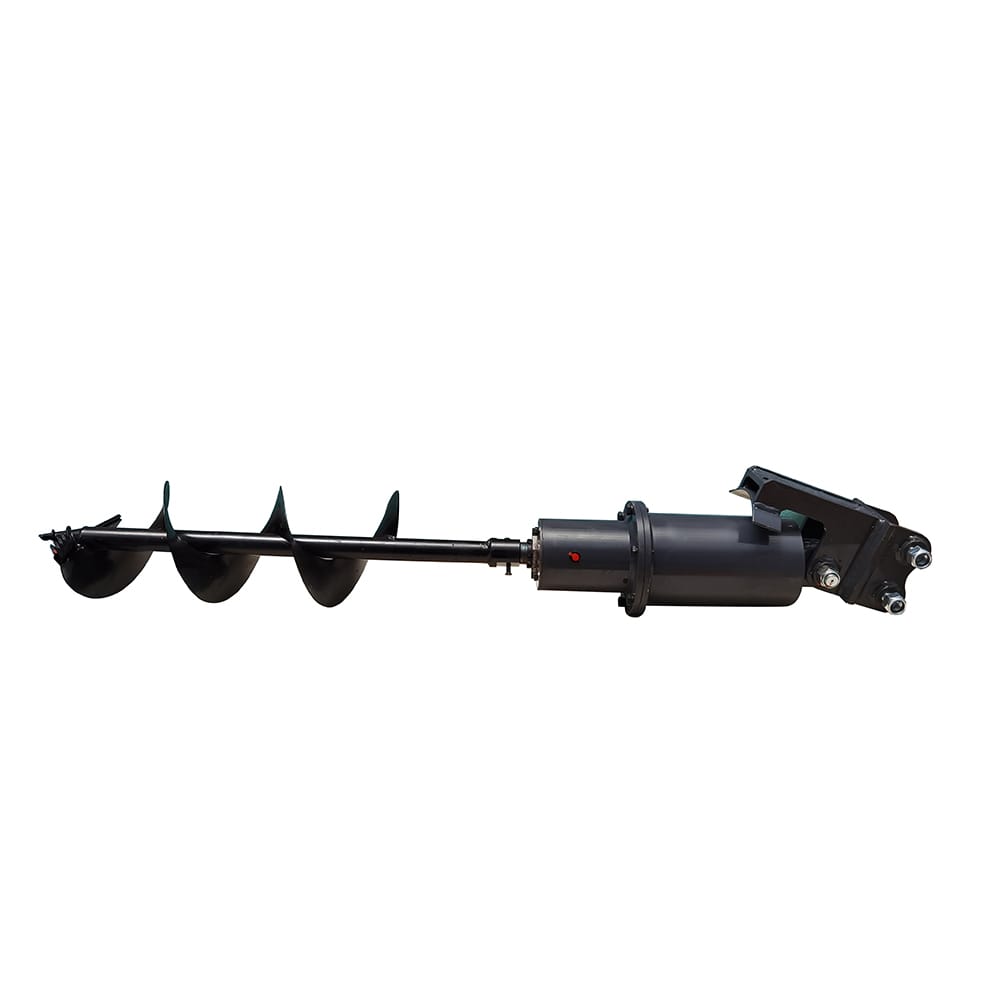
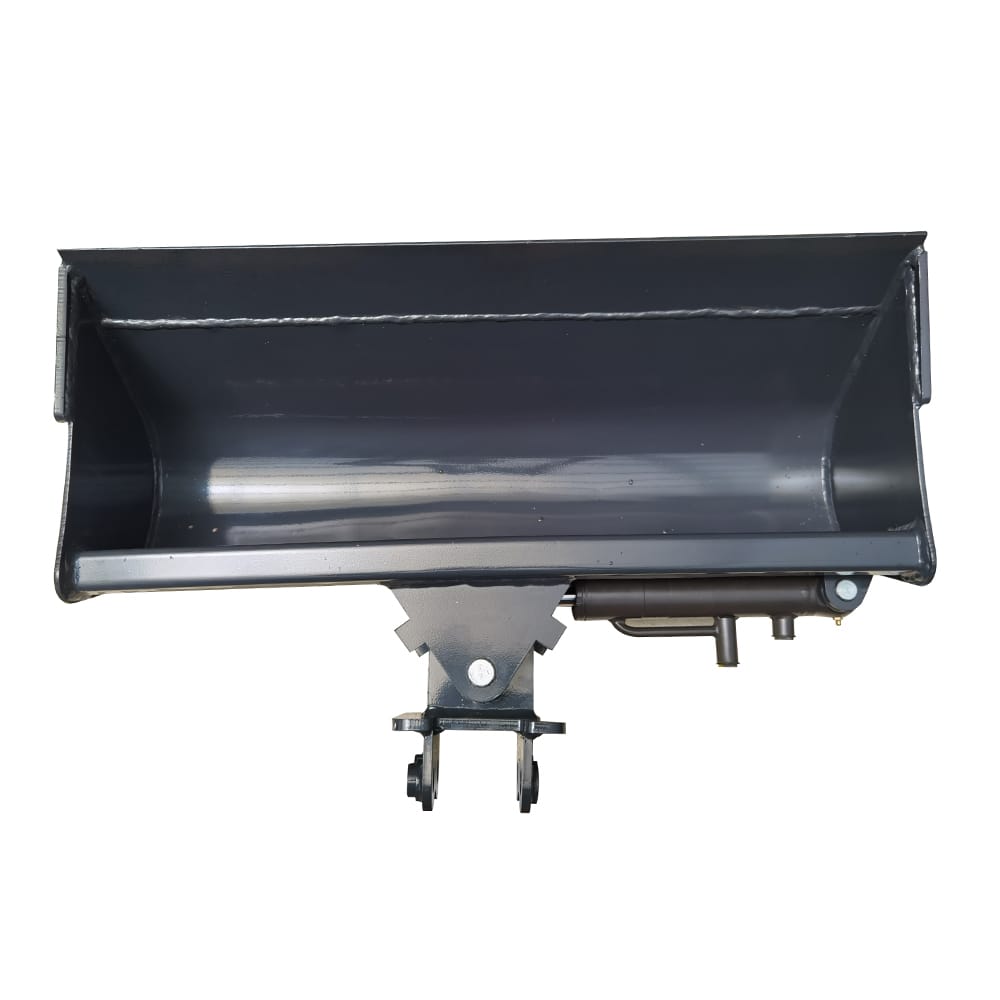
The hydraulic system is one of the biggest fuel drivers. A standard bucket, auger, breaker, thumb and grapple do not ask the engine for the same amount of work. A hydraulic breaker, for example, keeps the pump under steady demand, so fuel use increases. Before choosing a machine for attachment-heavy work, buyers should read the mini excavator attachment compatibility checklist. Flow, pressure, tool weight and duty cycle all affect operating cost.
Idle time
Idle time is quiet, boring and expensive. The machine may be waiting for trucks, workers, layout checks or material delivery, but the engine is still burning fuel. Reducing unnecessary idling is one of the easiest ways to cut diesel cost without changing the machine. Operators do not need to race the engine all day either. A smooth work rhythm usually saves more fuel than aggressive throttle habits.
Soil condition and job planning
Loose soil is easier to dig than clay, gravel or demolition debris. When the machine fights the ground, the engine and hydraulic system work harder. Good job planning can reduce repeated passes and wasted movement. For trench reinstatement, road repair and concrete-related work, support tools can help the whole crew work more efficiently. ASOK’s plate compactors and concrete saws are related jobsite tools that may work alongside compact excavation equipment.
How Buyers Should Compare Fuel Cost Before Purchase
The best comparison is not fuel per hour alone. It is fuel cost per completed task. A 1.5 ton machine may be perfect for residential trenching, garden access and small utility work. A 2 ton or 3 ton class model may burn more fuel per hour, but if it finishes heavier digging faster and with less strain, the total cost can make more sense.
Engine brand also matters, but it is not the whole story. Real fuel performance comes from the full machine system: engine torque, hydraulic design, cooling, machine weight, track condition, maintenance access and operator control. Buyers comparing engine options can read the Yanmar vs Kubota mini excavator engine guide, then connect the engine choice with the actual jobsite workload.
Maintenance Habits That Protect Fuel Economy
A poorly maintained mini excavator usually needs more fuel to do the same work. Dirty air filters restrict airflow, blocked fuel filters reduce stable combustion, old hydraulic oil increases resistance, and poor cooling makes the engine work under less comfortable conditions. Greasing pins and checking track tension also help because mechanical resistance slowly steals efficiency.
Maintenance will not turn a small machine into a large one, and it will not make hard clay feel like beach sand. But it keeps a correctly selected machine close to its expected performance. For rental companies, simple maintenance checks also reduce customer complaints and protect resale value.
FAQ: Mini Excavator Fuel Consumption Per Hour
How much fuel does a mini excavator use per hour?
It depends on machine size, engine load, soil condition, attachment demand and idle time. Buyers should ask for fuel guidance by workload level, not only one average number.
Does a smaller mini excavator always save fuel?
Not always. A smaller model often uses less fuel per hour, but if it works too slowly or stays overloaded, total project fuel cost may be higher than expected.
What increases mini excavator fuel consumption most?
Heavy hydraulic demand, long idle time, hard ground, heavy attachments, poor maintenance and wrong machine sizing are common causes of higher fuel use.
Final Buying Advice
Mini excavator diesel consumption should be judged as part of total operating cost. The best machine is not always the one with the lowest hourly fuel use. It is the one that matches the job, finishes efficiently and stays easy to maintain. ACE Machinery supplies compact mini excavators for contractors, dealers and rental companies. To estimate the right model for your working hours, soil condition and fuel cost target, contact ACE Machinery with your jobsite details.