
Excavator Rake Size Guide: Width, Tine Spacing and Mini Excavator Matching
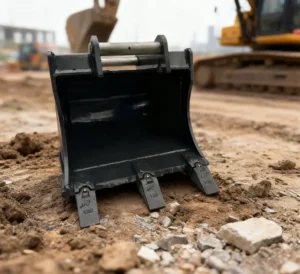
An excavator rake looks like one of the simpler attachments. There is no hydraulic motor, no complicated control system and not much to adjust. Bolt it on, lower it to the ground and start clearing.
That simplicity can be misleading.
A rake that is too wide can make a small excavator harder to control. A rake that is too heavy can reduce stability. The wrong tine spacing may collect half the soil you wanted to leave behind. And if the pins do not match, none of the other specifications matter because the rake will not even fit the machine.
So a useful excavator rake size guide should answer one practical question: how do you choose a rake that suits both the excavator and the material you need to clear?
The easiest way is to start with machine weight, then check rake width, rake weight, tine spacing and mounting dimensions.
Start With the Machine, but Do Not Stop There
Excavator operating weight is the first useful number because it gives you a rough idea of attachment size.
A compact 1-ton machine should not be carrying the same rake as a 5-ton excavator. That part is obvious. What is less obvious is that two excavators of similar weight can still use different rake sizes because their boom design, machine width and attachment setup may be different.
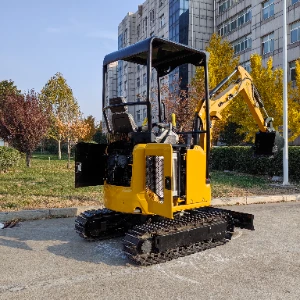
ACE provides two useful examples. The current excavator rake attachment uses a 600 mm working width, weighs about 50 kg and is shown as an example for a 1.2-ton excavator. The ACE CX18 1.8 ton mini excavator, with a published operating weight of 1,780 kg, lists an 800 mm rake among its available attachments.
Those numbers are useful references, but they are not a universal rule.
They do not mean every 1.2-ton excavator must use a 600 mm rake or every 1.8-ton machine should use an 800 mm one. Think of them as real configurations that show how rake size can increase as the carrier gets larger.
How Wide Should an Excavator Rake Be?
A wider rake clears more ground in one pass. That sounds better, and on an open site with light brush it often is.
The trouble begins when the material gets heavier.
Roots, wet branches and rocks add weight very quickly. A wide rake can gather a large pile before the operator notices how much load is hanging at the end of the arm. On a small excavator, that can make the machine less comfortable to control.
A narrower rake gives up some coverage but usually gives better control in tight areas. Around fences, trees, buildings and landscaped ground, that can be much more useful than clearing an extra 200 mm on every pass.
| Job condition | Better direction |
|---|---|
| Narrow garden or residential site | Compact rake width |
| Open brush clearing | Wider rake can save passes |
| Heavy roots or rocks | Avoid unnecessary width and weight |
| Landscaping finish work | Prioritize control |
| Light loose debris | Wider rake may improve productivity |
A wide rake can be faster. It can also collect more material than the excavator wanted to carry. Machines have limits, even when the operator is feeling ambitious.
Tine Spacing Changes What the Rake Leaves Behind
The next thing to look at is tine spacing. This simply means the gap between the rake teeth.
If the gaps are small, the rake catches smaller stones, branches and debris. That can be useful when the goal is a cleaner finish, but it also means more soil may stay in the rake.
Wider tine spacing lets more loose soil fall back onto the ground while holding larger roots, brush and rocks.
That makes tine spacing less of a small detail and more of a sorting decision. Rhinox also explains that different tine spacings change what an attachment retains or lets pass through. See Rhinox’s tine spacing guide.
| Material | Tine-spacing direction | What you are trying to do |
|---|---|---|
| Small mixed debris | Narrower | Catch smaller material |
| Roots and branches | Medium to wider | Let more soil fall through |
| Larger rocks | Wider | Separate rocks from soil |
| Wet sticky soil | Avoid very tight spacing | Reduce clogging |
| Landscaping cleanup | Match the gap to debris size | Balance cleaning and soil retention |
There is no magic tine gap that works for every job. The useful question is simple: what do you want the rake to keep, and what do you want it to leave on the ground?
Do Not Forget the Weight of the Rake
Attachment weight is easy to underestimate because a rake does not look especially heavy.
But the rake sits at the end of the excavator arm, where weight matters more than it would close to the machine body. Then the rake starts picking up material.
A 50 kg rake carrying roots, rocks and wet soil is no longer a 50 kg load. The excavator now has to control the attachment plus everything caught between the tines.
This is why the heaviest or widest rake is not automatically the most productive one. A slightly smaller rake that the machine can move confidently may complete the job faster than a larger attachment that constantly makes the operator slow down.
For a broader check of attachment weight, pin size and machine fit, use the mini excavator attachment compatibility checklist.
Check the Pins Before the Rake Gets Shipped
Even when width and weight look perfect, the rake still has to connect to the excavator.
For a normal pin-on attachment, the main measurements are pin diameter, distance between the pin centres and mounting width.
If the machine uses a quick hitch, the coupler type and pickup dimensions also need to be confirmed. This is especially important when the rake and excavator come from different manufacturers.
“Fits 1.5-ton excavators” is not enough information. Two machines in the same weight class can use different pins and different mounting widths.
A few millimetres may look harmless on a specification sheet. Steel pins are less forgiving.
Before ordering, send the supplier the excavator model and mounting measurements. A clear photo of the current bucket linkage is also useful.
Rake or Root Rake?
Buyers sometimes use “excavator rake” and “root rake” as if they are exactly the same thing. In practice, there is a lot of overlap, but the job usually tells you which design makes more sense.
A standard rake is useful for surface cleaning, sorting stones and collecting loose debris. A root rake is normally better when the job involves branches, roots, brush and larger irregular material because the open tine design allows more soil to fall through.
If the job is mainly digging and carrying soil, use a bucket. If the job is breaking hard ground or dealing with deep roots, a ripper may be a better first tool.
A rake is good at sorting and gathering. Asking it to do the job of a ripper is a little like using a dinner fork to remove a tree stump. Technically, both have teeth. That is about where the similarity ends.
For application examples, see the mini excavator root rake guide. For other tools that can be paired with compact machines, browse the ACE mini excavator attachments range or the broader mini excavator attachments guide.
What Information Should You Send Before Asking for a Quote?
A supplier can match the rake much faster if the inquiry includes actual machine information.
| Information | Example |
|---|---|
| Excavator model | ACE CX18 |
| Operating weight | 1,780 kg |
| Main job | Roots, brush, rocks or mixed debris |
| Preferred rake width | If already known |
| Pin diameter | mm |
| Pin centre distance | mm |
| Mounting width | mm |
| Coupler type | Direct pin or quick hitch |
| Quantity | Single unit, dealer order or fleet |
| Destination | Country or port |
That is much more useful than sending “Need rake for mini excavator. Best price?”
The short message may start the conversation. The measurements are what allow the supplier to finish it. Buyers who already have their machine information ready can contact ACE Machinery for rake matching and quotation support.
Common Mistakes When Choosing an Excavator Rake
One common mistake is choosing the widest rake available because wider looks more productive. It can be, but only if the excavator can handle the extra weight and material.
Another is selecting by excavator tonnage alone. Machine weight is a starting point, not a final fitment check.
Buyers also often overlook tine spacing. If the rake keeps picking up soil that should stay on the ground, the problem may not be the operator. The gaps may simply be too small for the job.
The last mistake is ordering before checking mounting dimensions. A perfectly sized rake with the wrong pin diameter is still the wrong rake. It just becomes a very sturdy piece of yard decoration.
FAQ
What size rake should I use on a mini excavator?
Start with the excavator operating weight, then compare rake width, attachment weight and mounting dimensions. The material being cleared should also influence the final width and tine spacing.
Is a wider excavator rake always better?
No. A wider rake covers more ground, but it also collects more material and can be harder for a small excavator to control. Tight sites and heavy debris often favor a narrower rake.
Does tine spacing really matter?
Yes. Narrower gaps catch smaller debris, while wider gaps allow more soil and small material to fall through. Choose the spacing based on what you want to separate.
Can an excavator rake remove roots?
It can collect smaller or already loosened roots and surface debris. Large stumps and deep roots may require a ripper or another tool before the rake is used for cleanup.
What measurements do I need before ordering?
For a pin-on rake, provide pin diameter, pin centre distance and mounting width. If the excavator uses a quick hitch, provide the coupler type and pickup dimensions as well.
Choose the Rake for the Job, Not Just the Excavator
The best rake is not automatically the widest one that fits on the machine.
Start with excavator weight, then look at rake width, attachment weight, tine spacing and mounting dimensions. After that, think about the material being cleared.
ACE’s 600 mm rake for a 1.2-ton example and the 800 mm rake option on the 1,780 kg CX18 show how rake size can change with the machine and the job. They are useful references, but every attachment should still be checked against the actual excavator before shipment.
A tape measure and five minutes of checking dimensions are cheap. Shipping the wrong rake halfway around the world is not.