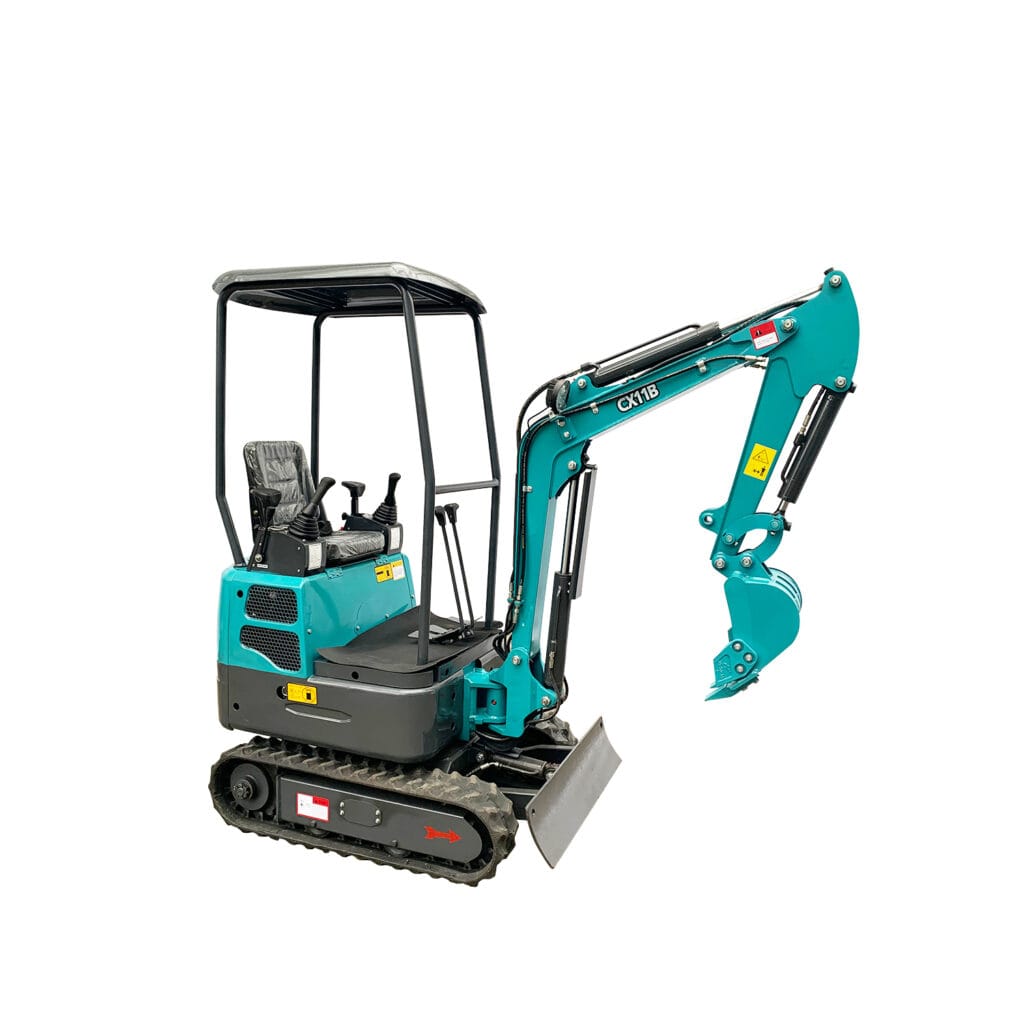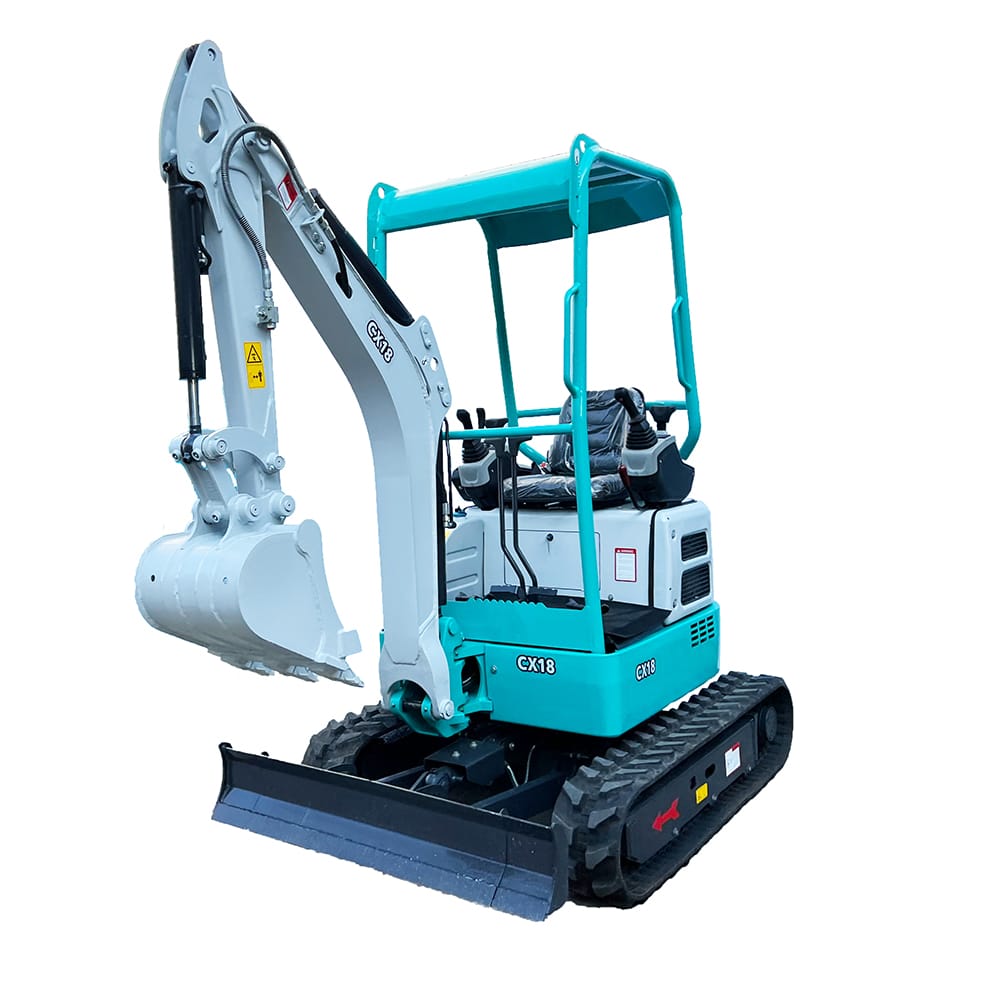

A zero tail swing mini excavator often looks like the easy answer when the jobsite is narrow, busy or dangerously close to finished walls. Its rear body stays within, or very close to, the track width during rotation, so the operator can work beside buildings, fences, roadsides and indoor renovation areas with less fear of the machine’s backside “signing its name” on a wall. That advantage is real. But tail swing is not a fashion trend. It is a balance decision. For contractors, dealers and rental fleets comparing ACE mini excavators, the smarter question is not “Which design is newer?” but “Which machine gives the safest productivity for this job?”
Quick answer: choose a zero tail swing mini excavator when rear collision risk, narrow access and operator confidence matter more than maximum lifting leverage. Choose a conventional tail swing mini excavator when the site is more open and the work needs stronger balance, better lifting stability or heavier attachments.
What Buyers Really Mean by Zero Tail Swing vs Conventional Mini Excavator
Most buyers are not looking for a textbook definition. They are trying to avoid buying the wrong machine. A landscaper may need to pass through a garden gate and rotate beside a retaining wall. A municipal crew may dig beside live traffic, where one careless rear swing can create a very expensive conversation. A rental company may want a machine that mixed-skill users can operate with fewer dents. On the other side, a drainage contractor may care more about digging balance, lifting at reach and enough rear counterweight to handle buckets, breakers or augers without the machine feeling nervous.
This is why tail swing should be judged together with machine size, hydraulic performance, transport width and daily jobsite conditions. For a wider buying framework, this mini excavator buying guide explains how size, hydraulics and site use affect the final choice.
The Real Difference Is Counterweight Radius
On a conventional mini excavator, the rear counterweight usually extends beyond the track frame when the upper structure slews. That extra rear radius gives the machine more leverage behind the swing center. In simple words, it helps the machine stay more planted when digging, lifting or carrying heavier front-mounted attachments. The trade-off is obvious: the operator must keep watching the rear, especially near walls, trees, parked vehicles, fences or roadside barriers.
A zero tail swing design shortens that rear overhang. In tight areas, this lets the operator focus more on the bucket, trench line and nearby workers instead of constantly worrying about the counterweight. The machine feels more forgiving in confined spaces. However, physics does not take a lunch break. With a shorter counterweight, manufacturers must manage stability through track width, total operating weight, weight distribution and hydraulic tuning. Two machines with similar weight can therefore feel quite different under the same load. When stability and transport limits are important, compare the tail design together with operating weight using this mini excavator weight guide.
When Zero Tail Swing Gives the Better Return
Zero tail swing performs best when access and collision control decide productivity. It is a strong choice for residential landscaping, indoor demolition, basement renovation, utility repair beside buildings, roadside trenching, cemetery work, greenhouse maintenance and compact urban construction. These jobs may not require the heaviest lift every hour, but they do require safe rotation in places where space is limited and mistakes are very visible. No customer enjoys seeing a fresh fence meet an excavator counterweight.
In these applications, productivity comes from confidence. The operator can reposition less, rotate more freely and work closer to obstacles. That is one reason compact machines are valuable on tight-access construction sites, where the working envelope often matters as much as digging force. For dealers and rental fleets, zero tail swing is also easier to explain to new buyers: less rear overhang, easier work near obstacles and lower risk of body damage.
The key is to match the machine with realistic tools. Narrow digging buckets, grading buckets and light augers usually suit zero tail swing machines well. Oversized buckets, heavy hydraulic breakers or long-reach lifting tasks need more careful checking. Before selling or renting the machine with attachments, review mini excavator attachment compatibility so pin size, hydraulic flow and attachment weight match the actual model.
When Conventional Tail Swing Still Makes More Sense
Conventional tail swing is not old-fashioned. It is still a practical choice when the site has enough space and the machine needs stronger balance. Open field drainage, farm trenching, foundation excavation, material loading and heavier attachment work often benefit from the extra rear leverage. The operator still needs awareness, of course. A conventional counterweight does not magically avoid walls. But when the bucket is full, the boom is extended or a heavier attachment is installed, the machine can feel more stable and predictable.
If the job involves repeated lifting, do not judge the machine by the biggest number in the brochure. Look at lifting capacity at the actual working radius. A load that is safe close to the blade may become risky when moved sideways or farther from the machine. Contractors should evaluate tail swing together with operating weight, track width, blade position, bucket size, quick hitch weight and ground condition. If buckets, augers, breakers or other tools are part of the plan, ACE’s mini excavator attachments page can help connect machine selection with real site tools.
A Practical Selection Checklist
Start with the narrowest access point, then measure the real working envelope, not only the gate width. A machine may pass through the entrance and still struggle to rotate safely once it reaches the trench. Next, ask how often the excavator must slew beside walls, fences, vehicles, people or traffic. If rear collision risk appears every day, zero tail swing deserves serious attention. If the machine usually works in open ground, compare digging force, lifting stability and attachment weight before choosing the compact rear design.
Then check transport limits. Some zero tail swing machines use wider or longer undercarriages to recover stability, so the model that looks compact at the rear may not always be the narrowest option on the trailer. Finally, consider operator skill. Experienced operators can manage conventional tail swing very efficiently, while mixed-skill rental users often benefit from the more forgiving rear profile of zero tail swing. Buyers looking for compact narrow-area work can review the CX12 mini excavator. Contractors needing more capacity can compare it with the CX18 mini excavator or the CX30 mini excavator for landscaping, utility and daily jobsite tasks.
FAQ
Is a zero tail swing mini excavator always safer?
No. It reduces rear collision risk, but safety still depends on ground condition, load position, operator awareness and correct attachment sizing.
Does zero tail swing reduce lifting capacity?
It can reduce lifting leverage compared with a conventional tail design in the same class, especially at longer reach or with heavier attachments. Always check the lift chart for the exact model.
Which tail swing is better for rental companies?
Zero tail swing is often easier for mixed-skill users in tight residential or urban jobs. Conventional tail swing can be better for experienced users who need stronger balance in open areas.
Need help matching tail swing design, operating weight and attachments for your market? Contact ACE Machinery with your jobsite conditions, target machine class and required attachments, and our team can recommend a practical configuration for contractors, dealers or rental fleets.