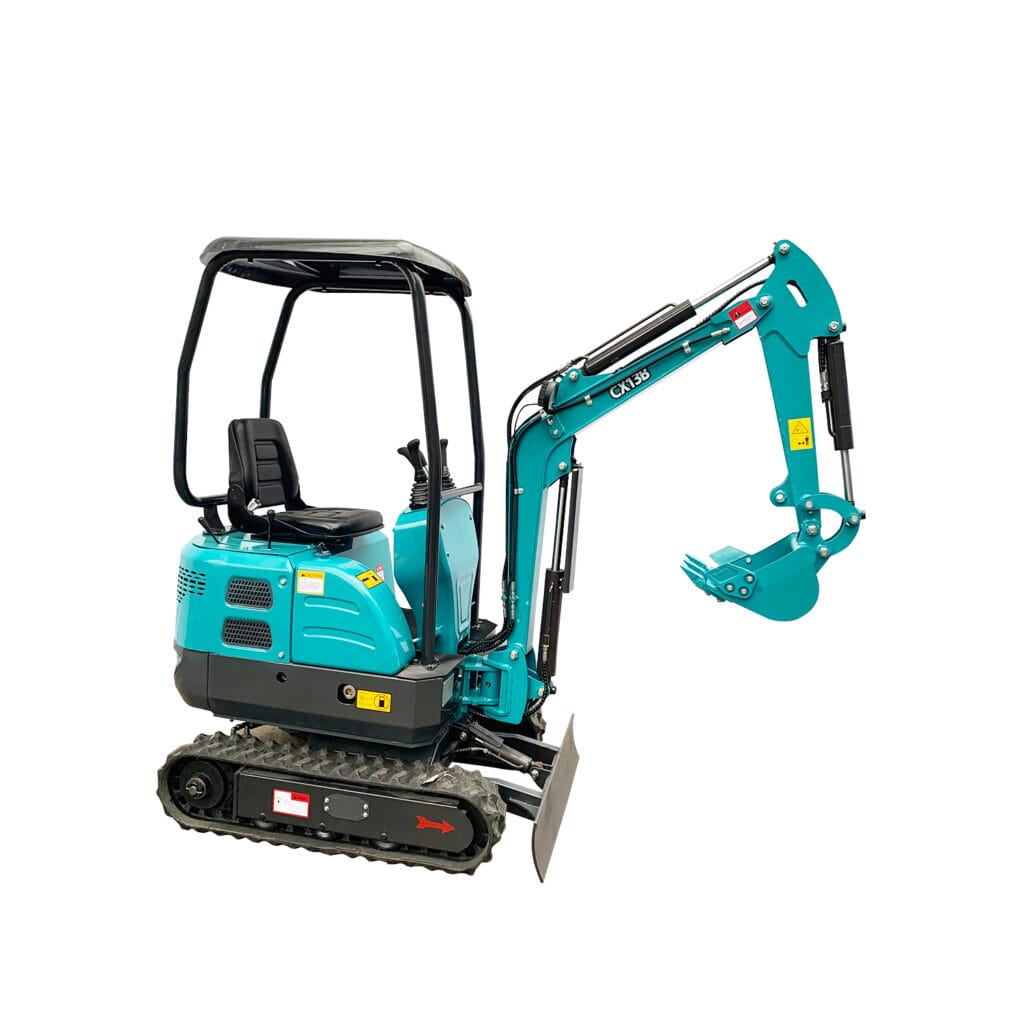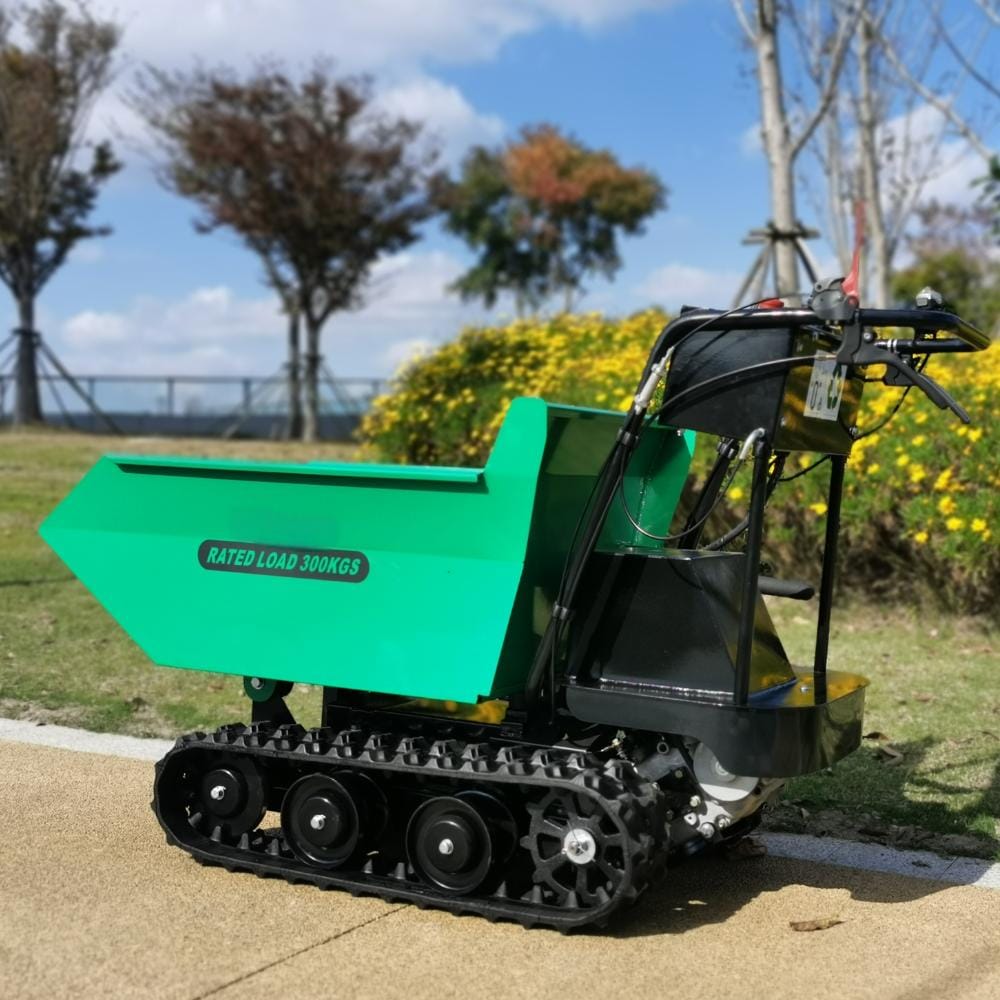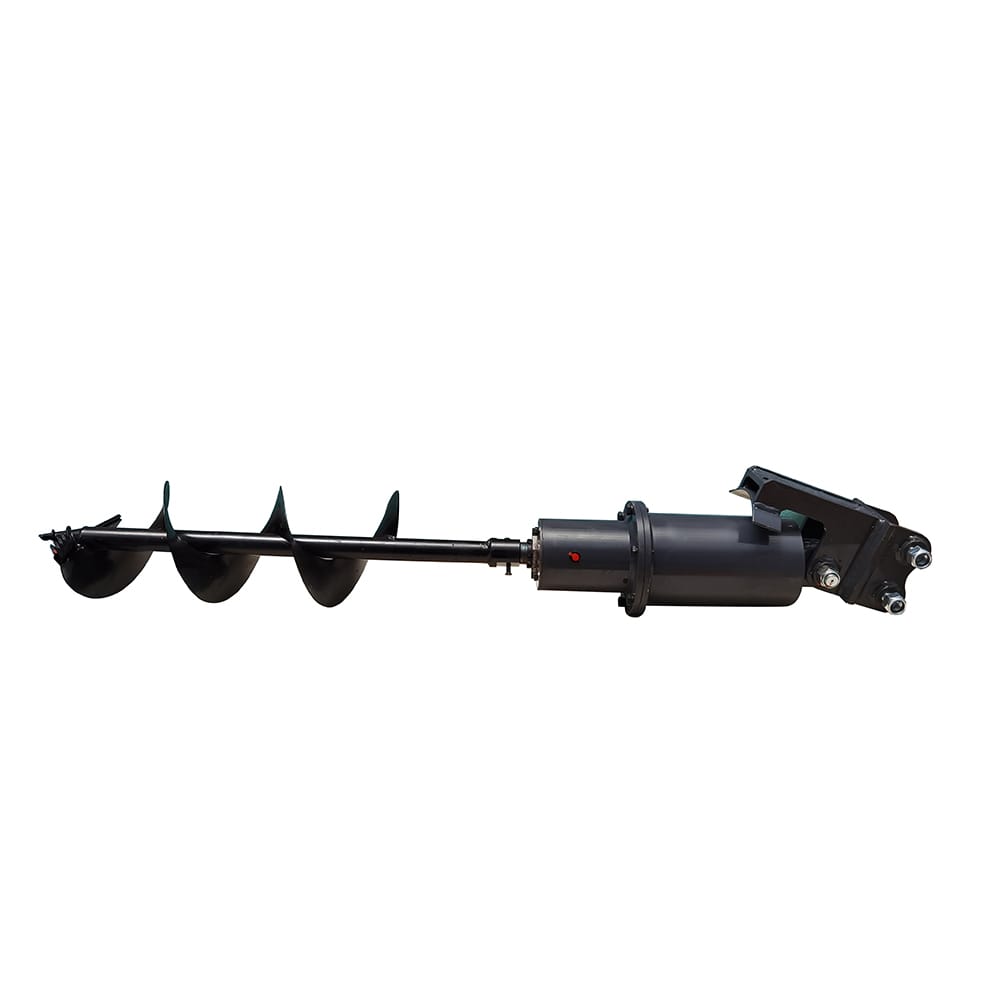

A mini excavator looks small enough to fit through tight gates, but that does not mean it should be treated like a tiny crane with tracks. When buyers search for a mini excavator lifting capacity chart, they are usually trying to answer a very practical question: can this machine lift pipes, stones, blocks, buckets or small materials safely on my jobsite? The honest answer is: yes, if the machine size, lift radius, attachment setup and ground condition all make sense together.
This guide explains mini excavator lifting capacity in plain language. It is written for contractors, rental companies, dealers and equipment buyers who want more than a nice number in a brochure. A lift number only becomes useful when you know where the load is, how far the boom reaches, which direction the machine is lifting, and what tool is fitted to the arm.
Why Mini Excavator Lift Capacity Is Not One Fixed Number
Mini excavator lift capacity changes because the machine is working against leverage. A load close to the blade is easier to control. Move the same load farther away, and it starts behaving like a heavy shopping bag held at arm’s length. The weight did not change, but the effort needed to hold it safely became much greater.
This is why buyers should not ask only for the maximum lifting number. A better question is: how much can the machine safely lift at the reach I actually use? Operating weight, track width, blade position, boom angle, arm length, hydraulic power, attachment weight and ground condition all affect the answer. If you are comparing machine classes, the mini excavator weight guide is a good starting point because weight strongly affects stability.
How to Read a Mini Excavator Lifting Capacity Chart
A useful lifting chart should tell you more than “this machine can lift X kilograms.” It should show the lifting radius, lift height and machine position. The lifting radius is the distance from the swing center of the excavator to the load. As that distance increases, safe capacity usually decreases. Lift height also matters because a load near the ground behaves differently from a load raised high in the air.
You should also check whether the value applies over the front or over the side. Lifting over the front with the blade down is normally more stable. Lifting over the side is less forgiving because the undercarriage has less support in that direction. If your work includes placing drainage pipes, moving stones or handling materials in narrow areas, this difference is not just a technical detail. It is the difference between a smooth workday and a machine giving the operator a very clear warning.
Mini Excavator Lifting Capacity Chart for Buyer Screening
| Machine Class | Common Use | Practical Lifting Advice |
|---|---|---|
| 1 ton class | Garden work, indoor jobs, narrow gates, light materials | Keep loads close, low and simple. Great access, limited lifting reserve. |
| 1.5 ton class | Residential trenching, landscaping, small utility work | Good balance of transport convenience and better stability. |
| 2 ton class | Pipe laying, contractor jobs, heavier buckets | Stronger choice when lifting is part of normal daily work. |
| 3 ton class | Rental fleets, frequent material handling, tougher sites | More stable for demanding lifts, but transport planning becomes more important. |
This table is only a buyer screening guide, not an official load chart. The final decision should always come from the machine specification, the real load, the working radius and the attachment fitted to the machine. If a quick hitch, thumb, grapple or breaker is installed, that tool adds weight to the front of the machine and reduces the remaining lifting margin. The mini excavator attachment compatibility checklist explains why pin size, hydraulic flow and attachment weight must be checked together.
Jobsite Factors That Can Reduce Safe Lifting
Lift radius and swing direction
The farther the load is from the machine, the less safe lifting capacity remains. This is why operators keep loads close and low whenever possible. Swing direction also matters. Lifting over the front with the blade lowered gives better support, while lifting over the side should be done with extra care and slower movement.
Ground condition
Firm, level ground helps the excavator stay predictable. Soft soil, loose backfill, slopes and demolition debris reduce stability. A machine can have good rated capacity on paper and still feel nervous on weak ground. If trench work or backfilling is part of the job, proper compaction support is useful. ASOK’s plate compactor range is a relevant support tool category for ground preparation and reinstatement work.
Attachment weight
Attachments are helpful, but they are not weightless helpers. A bucket, thumb, quick hitch or grapple all sit at the working end of the arm. The heavier the attachment, the less lifting capacity remains for the actual load. For buyers who plan to use several tools, the question should not be only “does it fit?” but also “does the machine still have enough safe lifting margin after it fits?”
How to Choose the Right Machine for Lifting Work
If lifting is light and occasional, a 1 ton or 1.5 ton mini excavator may be enough, especially when access is tight. If lifting is part of everyday work, or if the machine must handle pipes, stones, heavier buckets or longer reach, a 2 ton or 3 ton class model often gives better confidence. The right choice should combine lifting capacity, digging depth, hydraulic flow, track width, blade design and transport needs.
For a wider selection view, read the mini excavator buying guide. Buyers working near walls, fences or buildings may also compare zero tail swing vs conventional mini excavators, because working space affects how safely the operator can lift and swing.
FAQ: Mini Excavator Lifting Capacity
How much can a mini excavator lift?
It depends on machine size, lift radius, lift height, attachment weight, ground condition and lifting direction. Always check capacity at the real working position, not only the maximum number.
Why does lift capacity drop at full reach?
At full reach, the load creates more leverage against the machine. The hydraulic system may still move, but the stability margin becomes smaller.
Is a heavier mini excavator always better for lifting?
A heavier model usually improves stability, but boom design, track width, attachment weight and ground condition still matter. The best machine is the one with enough safe capacity for your real job.
Final Buying Advice
A good mini excavator lifting capacity chart should help buyers think clearly: load weight, reach, direction, ground support and attachment weight all work together. ACE Machinery supplies compact mini excavators for contractors, dealers and rental companies that need practical digging, grading, lifting and attachment performance. To choose the right model for your lifting work, contact ACE Machinery with your load type, working radius and jobsite condition.